Understand any stock in simple English
Enter a ticker to learn what the company does and how it makes money.
Singapore Post Limited
SingPost delivers mail and parcels, runs eCommerce logistics, and manages property in Singapore and abroad.
SingPost is Singapore's national postal service and, increasingly, a logistics company. Most people still know it as the place to buy stamps and send a letter, but the modern business is built around parcels and delivery. It runs three main operations: post and parcel delivery, eCommerce logistics (warehousing, freight forwarding, and last-mile delivery), and property, mostly from its large real estate holdings in Singapore.
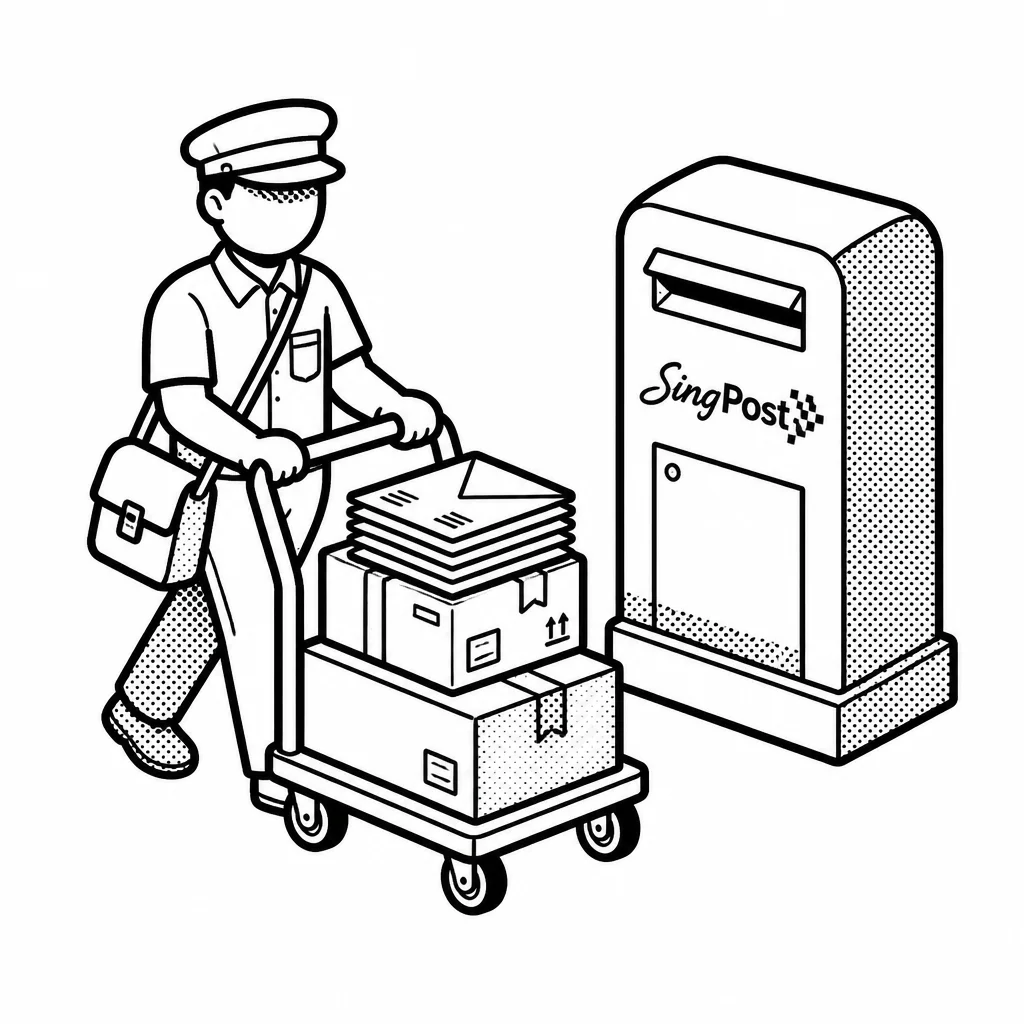
The post and parcel segment is the familiar one. SingPost collects, sorts, and delivers letters and parcels across Singapore, and it handles the country's mail as the designated public postal operator. That business is shrinking as people send fewer letters and more messages by phone and email. Parcels are the growth area, but competition is fierce and margins on delivery are thin. The company has been cutting costs and restructuring to keep this core operation viable. eCommerce logistics is where SingPost has tried to build a bigger, more profitable business. Through subsidiaries and acquisitions, it offers warehousing, fulfillment, and cross-border delivery, helping online retailers move goods from warehouse to customer. It operates in Singapore and across Asia-Pacific, the US, and Europe. This segment is more competitive and capital-intensive than mail, and it has been through a turnaround as the company focuses on profitable routes rather than growth at any cost.
Property is the quiet moneymaker. SingPost owns valuable real estate, including its headquarters at SingPost Centre in Paya Lebar, which generates rental income. That property base gives the company a steady cash cushion that helps offset the tougher mail and logistics businesses. Overall, SingPost is a company in transition: a former monopoly mail carrier trying to reinvent itself as a modern logistics player while leaning on its property assets for stability.
Saved answer · last researched 12 Nov 2026