Understand any stock in simple English
Enter a ticker to learn what the company does and how it makes money.
Reysas Gayrimenkul Yatirim Ortakligi A.S.
Reysas owns and rents out warehouse buildings to companies in Turkey.
Reysas is a landlord for Turkey's storage business. It owns large warehouse buildings, mostly around Istanbul and other logistics hubs, and rents them to companies that need a place to hold and move goods — retailers, manufacturers, and logistics firms. The rent checks come in month after month, and the company collects them without having to run the actual trucking or inventory work itself.
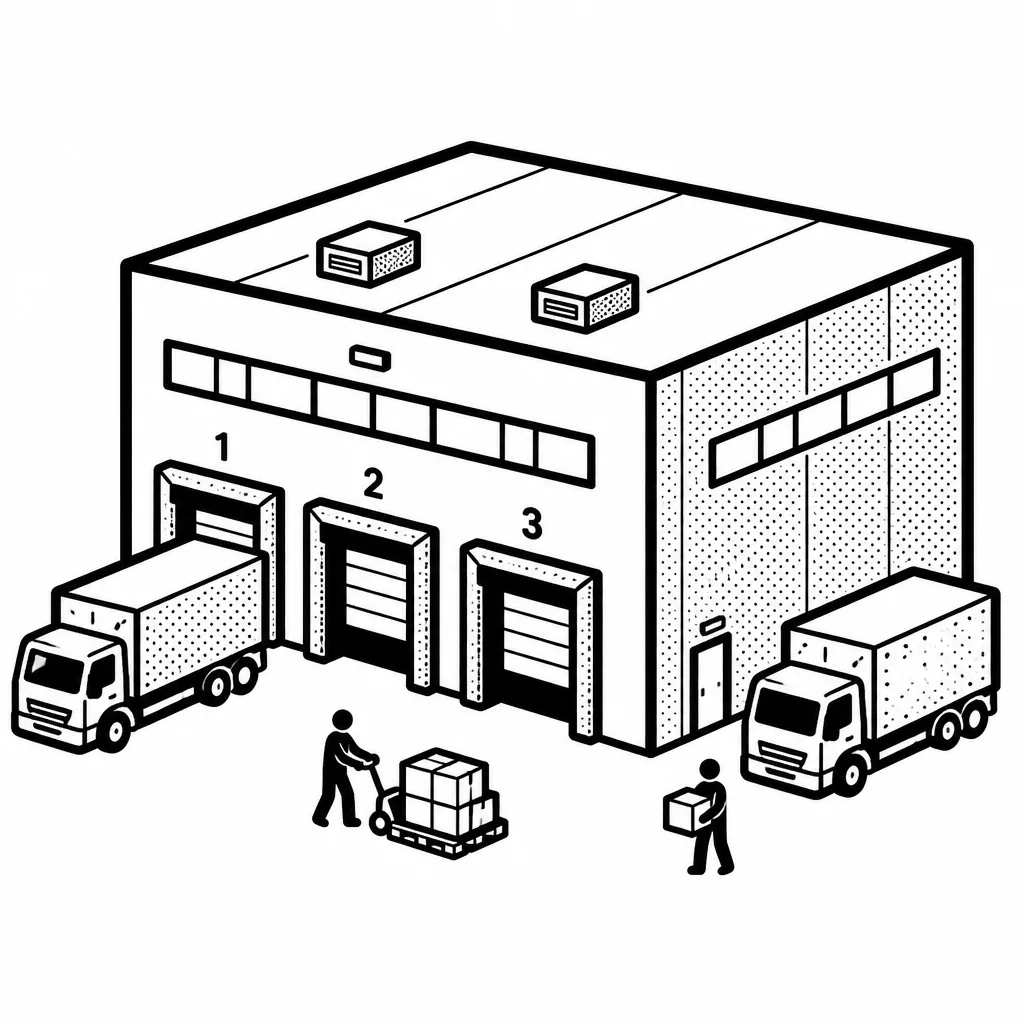
That makes it a real estate investment trust, or REIT — a company that owns property and pays out most of its profits to shareholders as dividends. The business is simple: buy land, put up modern warehouses, sign tenants to multi-year leases, and keep the buildings full. Reysas has been one of the bigger players in Turkish warehouse and logistics real estate, with a portfolio of industrial properties. The tricky part is the economy around it. Turkey has had years of high inflation and a weak currency, which cuts both ways. Rents can be reset upward, often in foreign currency or inflation-linked terms, which protects income. But building costs, financing, and the value of the properties in dollar terms can swing hard. That volatility is the main reason the shares can look cheap one day and expensive the next.
For investors, the appeal is the steady rent and the dividend, plus exposure to Turkey's growing trade and e-commerce logistics. Reysas earns money from leasing space and from the long-term rise in the value of its buildings. It's a bet on Turkish warehouses filling up and staying filled.
Saved answer · last researched 11 Nov 2026
BIG PICTURE
One owner holds 62% of Reysaş GYO, and it's a logistics firm, not a fund
- 62% Reysaş Taşımacılık ve Lojistik
- 38% Other institutions, funds and public shareholders
A single company, Reysaş Taşımacılık ve Lojistik, controls 62% of the warehouse owner. That trucking and logistics parent also happens to be the kind of firm that would rent the space. Most Turkish REITs raise money from outside investors and spread ownership widely, while this one stays tied to its industrial family. Outside funds hold only small slices, so public shareholders have little say in how the warehouses expand. Source: Investing.com ownership data, data from 2026
Timeline
Four Founders Start Reysas GYO
In 2008, Turkey had a problem: not enough warehouses. Goods were moving, but the space to hold them wasn't keeping up. Four founders — Durmus Döven, Ali Ergin Sahin, Yusuf Ziya Gündüz and Kayihan Özdemir Turan — built Reysas Gayrimenkul Yatirim Ortakligi as a subsidiary of Reysas Lojistik to fix that shortage, starting small but aimed at the storage gap nobody else was filling.
Public Listing on Istanbul Exchange
Two years later the company went public, still under the Reysas Lojistik umbrella. It arrived with about 183,000 square meters of closed warehouse space — modest by later standards, but enough to give outside investors a piece of the warehouse business.
Rooftop Solar on Izmir Warehouse
Then came a move that would define the company: it built Turkey's first and largest rooftop solar plant on top of its Izmir Torbali warehouse. Warehouses have big flat roofs, and Reysas turned all that empty space into electricity. That started a green logistics push that became part of the company's identity.
First Turkish REIT Bond
By 2017 the company had investment-grade credentials from SAHA Rating, and it used them to do something no Turkish real estate investment trust had done: issue a bond. The money raised went straight into building more warehouses — a smart loop where cheap financing funds the very thing that generates the returns.
Two and a Half Million Square Meters
Over the next few years the warehouse footprint exploded. By 2021 the company controlled roughly 2.5 million square meters of storage area, about a million of it closed. It also ran 15 solar plants producing tens of millions of kilowatt-hours a year — proof that the green push from Izmir had scaled into something serious.
Entry into FTSE All-World
In 2024 the company got a global stamp of approval: it joined the FTSE All-World Index. That matters because index funds around the world had to buy the stock, widening the shareholder base well beyond Turkey.
Capital Increase to Eight Billion
A year later came a big capital move — a rights issue and a bonus issue that pushed paid-in capital to 8 billion TL. The bonus shares came from inflation adjustment differences on equity, and Egemen Döven pledged to buy whatever rights-issue shares others didn't take. That last part was a signal: the insiders were backing the company with their own money.
Tuzla Land and a New Warehouse
Meanwhile, the company was quietly buying land. It won a privatization tender for state-owned property in Tuzla, Istanbul — a key logistics corridor — and got a building permit for a huge warehouse on its largest Tuzla parcel. Construction was set to start in late 2026, extending the land bank exactly where warehouses matter most.
Best Performer in a Bad Year
The payoff showed up in the numbers. While the REIT index fell nearly a quarter, Reysas rose about 144% year-to-date — the best in its sector. The warehouse investments did the work, and the company reported a 16.6 billion TL net profit over the last four quarters. The small 2008 answer to a warehouse shortage had become the sector's standout winner.