Understand any stock in simple English
Enter a ticker to learn what the company does and how it makes money.
Rexel S.A.
Rexel distributes electrical products and supplies to professionals in residential, commercial, and industrial markets.
Rexel is one of the world's biggest distributors of electrical supplies. It doesn't manufacture much of anything itself. Instead, it runs thousands of branches where electricians, contractors, and industrial firms come to buy the parts they need to wire a building, install a lighting system, or keep a factory running.
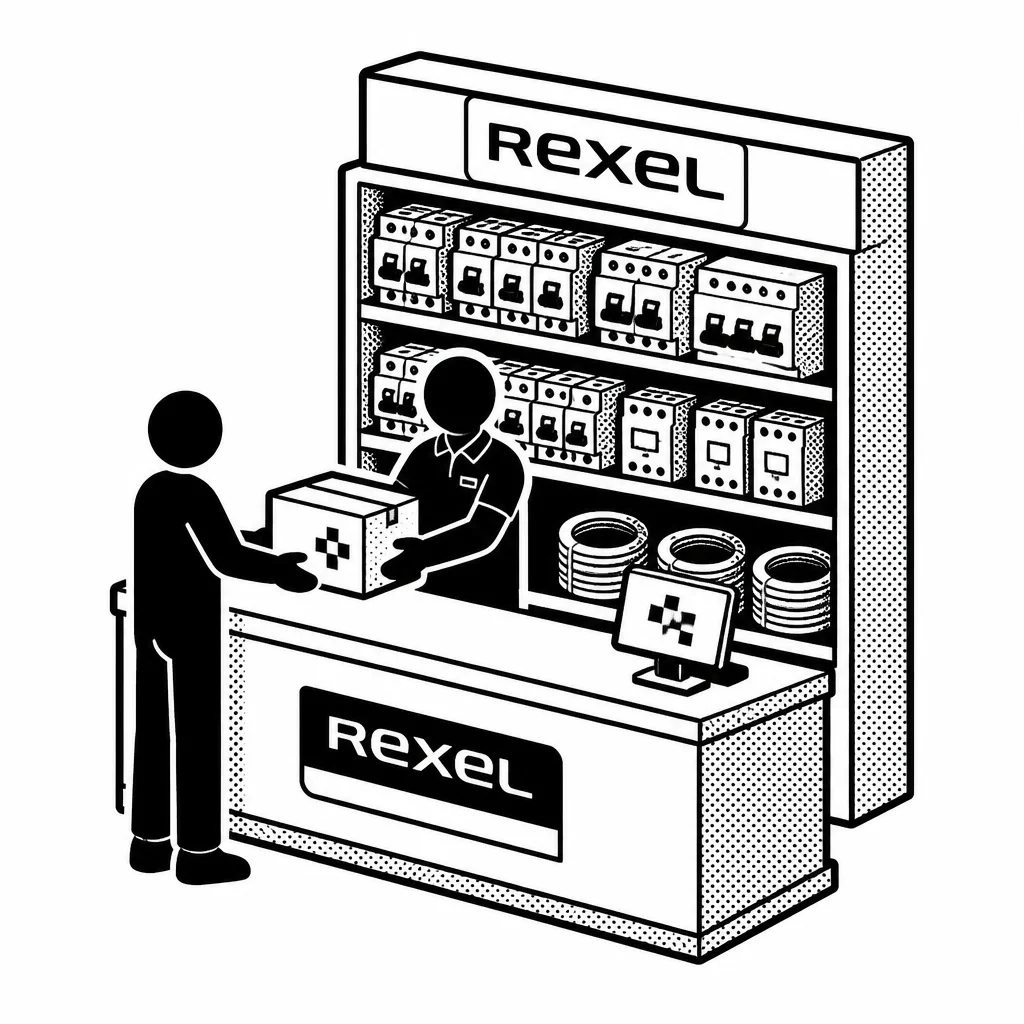
The business is essentially a giant, highly fragmented supply chain in the middle of the electrical world. A contractor working on a new apartment block needs cable, circuit breakers, switchgear, conduit, and lighting controls. Rather than chase down a dozen manufacturers, they place one order with Rexel, which stocks the products in local branches and delivers them to the job site. Rexel makes its money on the spread between what it pays suppliers and what it charges customers, plus the value of convenience, credit, and technical advice. Rexel's customers are overwhelmingly professionals, not weekend DIYers. That matters because professionals buy repeatedly, care about reliability and speed, and are willing to pay a little more for a supplier that has the right part in stock when a job is stalled. The company operates across Europe and North America, with a strong position in France, and it has been pushing into areas like solar equipment and energy-efficiency products as buildings get greener.
The distribution business is thin-margin and cyclical. When construction slows, Rexel feels it fast, because contractors buy fewer supplies and bargain harder. That is why scale matters: bigger distributors can negotiate better prices from manufacturers, spread fixed costs across more branches, and invest in digital ordering tools that keep customers loyal. Rexel has used acquisitions for decades to build that scale, and it returns cash to shareholders through dividends and share buybacks while managing debt carefully through downturns.
Saved answer · last researched 14 Nov 2026