Understand any stock in simple English
Enter a ticker to learn what the company does and how it makes money.
Rai Way S.p.A.
Rai Way owns and runs the towers and broadcasting networks that carry television and radio signals across Italy, and it also rents space on those towers to telecom and media companies.
Rai Way is the company behind the hilltop towers and antennas that beam television and radio signals into Italian homes. It was spun out of Italy's state broadcaster and still does most of its core work for it: keeping the national TV and radio networks on air, reaching viewers from the Alps to Sicily.
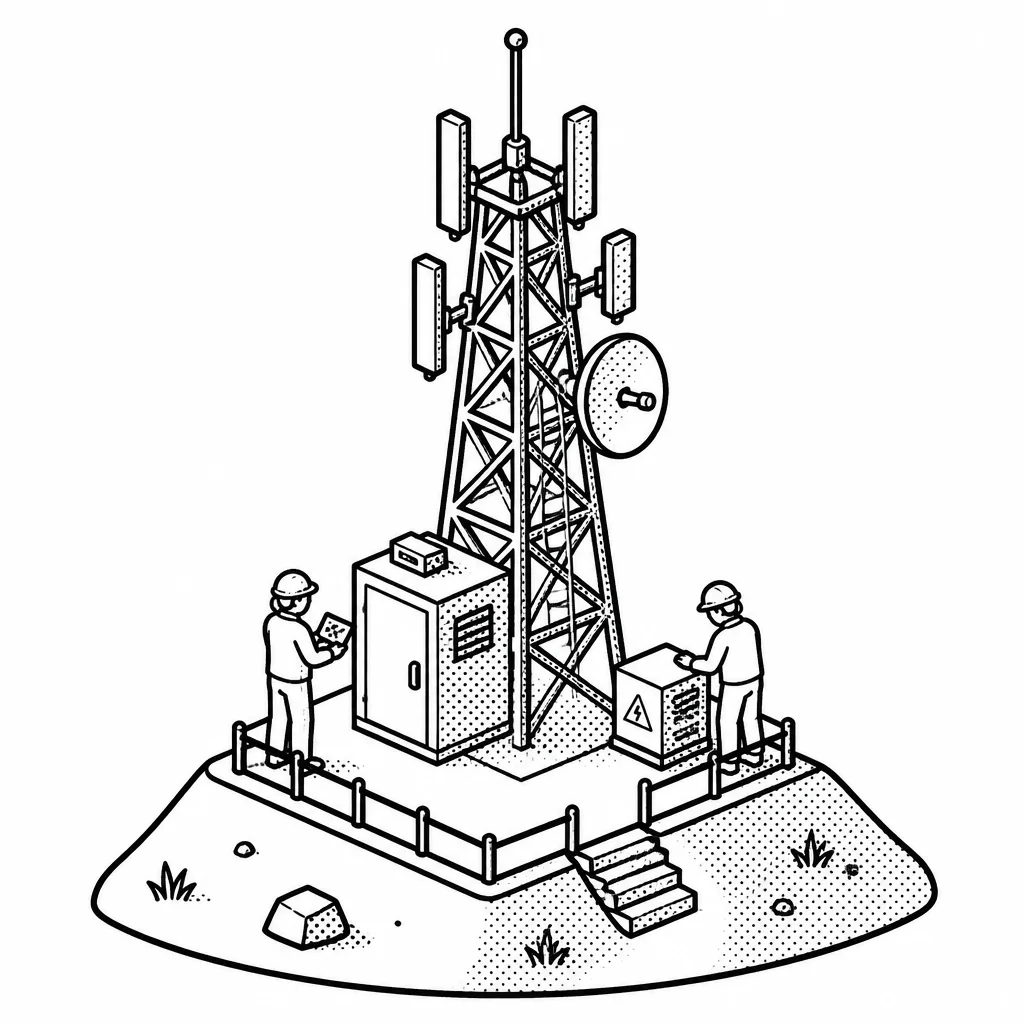
The business is essentially a landlord of tall metal structures. Rai Way owns and operates broadcast sites across Italy, and its main job is transmitting signals for its biggest customer, the public broadcaster Rai. Because building a nationwide tower network is expensive and slow, other companies often prefer to rent space on existing towers rather than build their own. That rental business is the growth engine: mobile phone operators and other wireless providers pay Rai Way to mount their equipment on its sites. The company has been actively courting these telecom tenants as Italy rolls out 5G, since every new antenna needs a home. That mix matters. The broadcasting side is steady but slow-growing, tied to a mature TV market and a single dominant customer. The tower-rental side is where the upside lives, because each new tenant on an existing tower adds revenue with very little extra cost. Rai Way has also explored expansion beyond Italy and has weighed mergers with other tower companies, though those efforts have had a bumpy history.
The main vulnerability is concentration. Rai is both its largest customer and its historical parent, so the relationship is close and important. Competition comes from other tower operators and from telecom companies deciding to share infrastructure among themselves. Still, the underlying asset is hard to replicate: a well-placed portfolio of broadcast sites that everyone needs but few want to build from scratch.
Saved answer · last researched 12 Nov 2026