Understand any stock in simple English
Enter a ticker to learn what the company does and how it makes money.
Sunrun Inc.
Sunrun sells and leases home solar and battery systems, and homeowners pay it for clean power instead of paying the utility.
Sunrun puts solar panels and batteries on people's roofs, and then it sells them the electricity. That sounds like a boring hardware business, but it is really a finance business wearing a hard hat. Instead of asking a homeowner to buy a $30,000 solar system upfront, Sunrun usually owns the equipment itself and signs the homeowner to a long-term contract. The homeowner pays a monthly bill that is typically lower than what the local utility would charge. Sunrun keeps the difference, collects tax credits, and gets paid for decades.
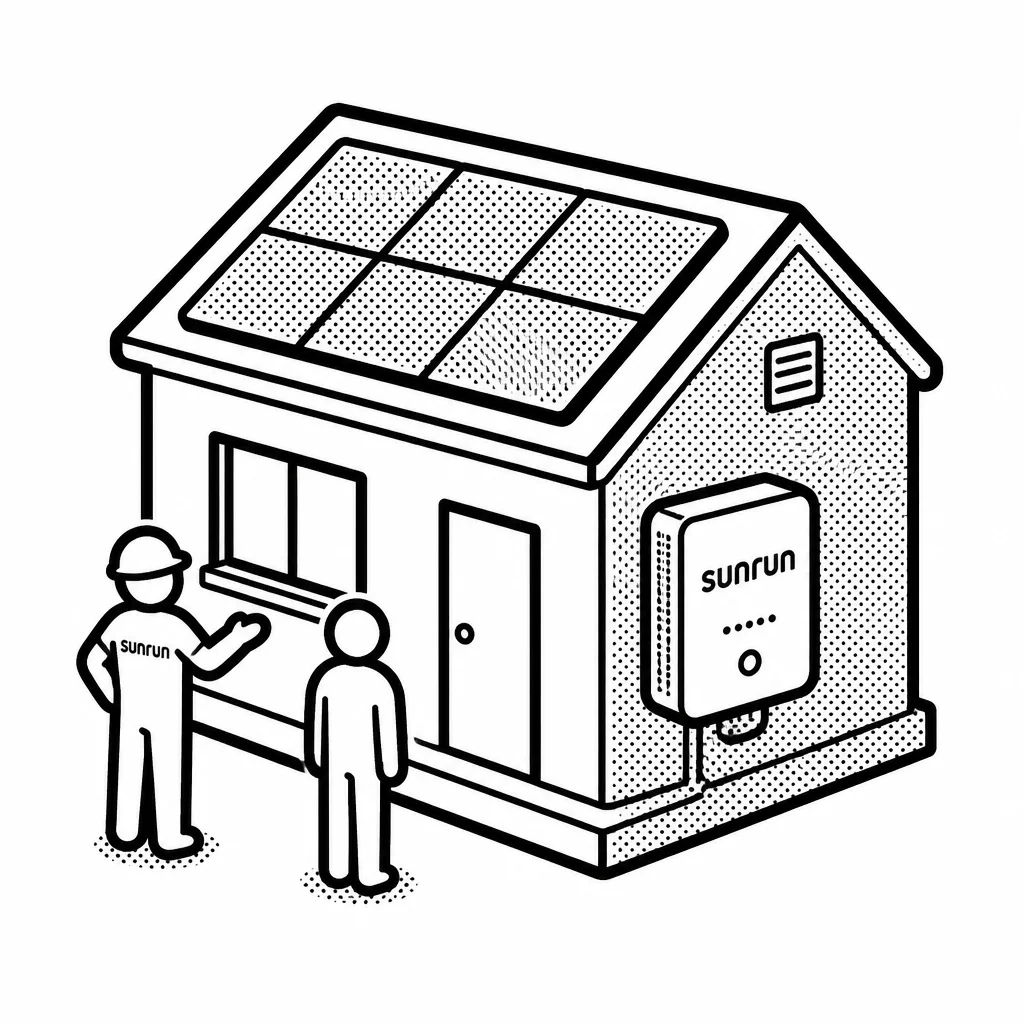
The company is based in San Francisco, and it is the biggest player in America's residential solar market. It sells through several channels: a lease or power purchase agreement where Sunrun owns the panels, a loan product where the homeowner borrows and owns the system, and outright cash sales. Some customers also add a home battery, which stores extra solar power so the lights stay on when the grid goes down. Utilities pay Sunrun for the electricity its solar panels feed into the grid, and the company bundles thousands of these contracts together to raise money for building more systems. Sunrun's biggest headache is that installing solar is expensive, and the sales process is slow and messy. Growth depends on cheap financing, government incentives, and homeowners feeling confident about a big purchase. In 2023 it bought rival installer Vivint Solar, a deal that made it much larger but also loaded it with debt and integration problems. Interest rates rising since 2022 have made borrowing costlier, which squeezes both Sunrun and its customers. Tesla sells competing solar and battery products, and dozens of local installers fight for the same rooftops.
The good news is that Sunrun's contracts generate predictable cash for years, and that recurring revenue is the prize. The company has been working to turn profitable after years of losses, cutting costs and focusing on battery attach rates, since a battery makes each customer more valuable. The real question for investors is simple: can Sunrun keep signing up homeowners fast enough, and at a low enough cost, to outrun its debt?
Saved answer · last researched 16 Nov 2026