Understand any stock in simple English
Enter a ticker to learn what the company does and how it makes money.
PharmaRoth Labs, Inc.
PharmaRoth Labs sells a herbal-based nutraceutical called Sucanon for people with type-2 diabetes, and it sells it around the world.
PharmaRoth Labs is a small, thinly traded company on the OTC Pink MarketPlace whose main product is a herbal-based nutraceutical called Sucanon, aimed at people with type-2 diabetes. It's a supplement rather than a prescription drug, and the company says it sells the product worldwide. Think of it as a tiny player trying to carve out a spot in the enormous global market for blood-sugar management, where the big money and the big science belong to large pharmaceutical and medical-device firms.
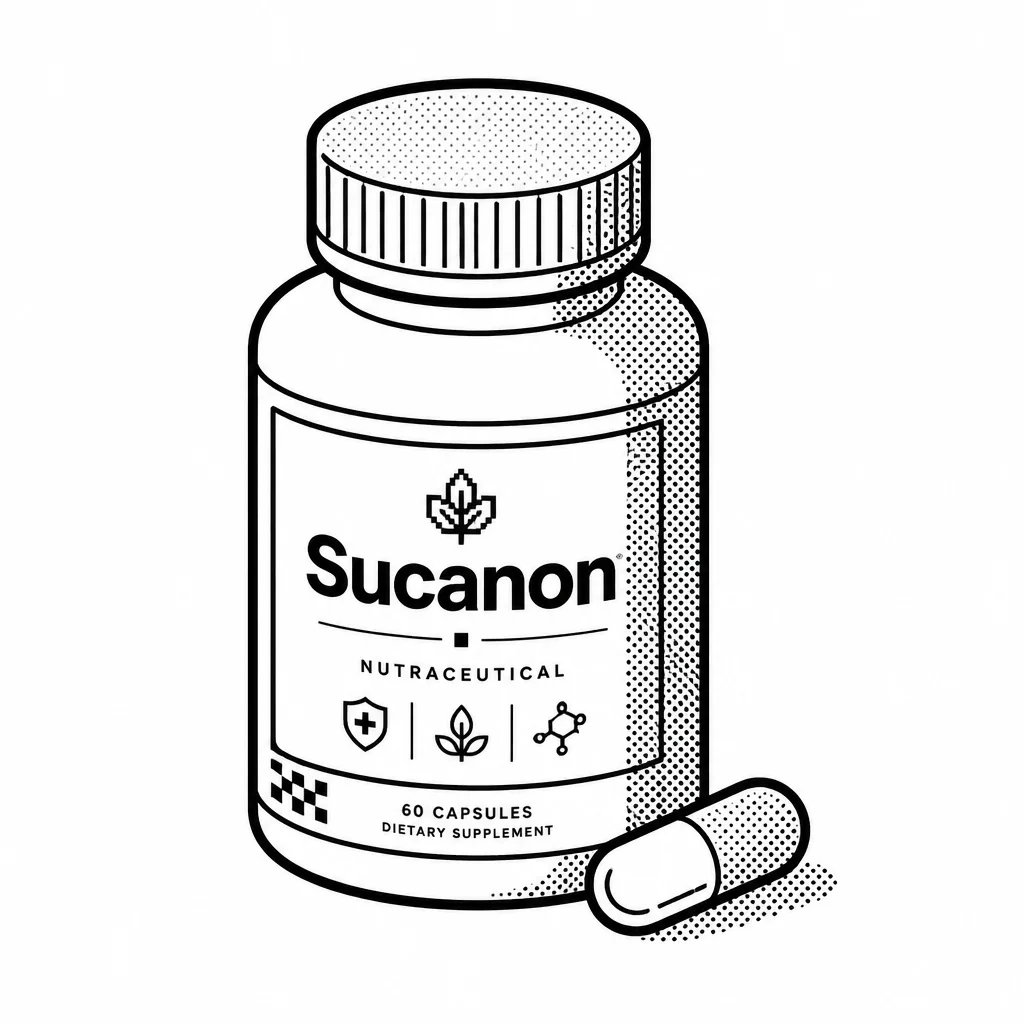
The business model is straightforward to describe but hard to pull off. The company makes and markets a pill that people with type-2 diabetes might take alongside, or instead of, their prescribed treatments, and it earns money from selling that product. The challenge is that "nutraceutical" is a soft label: these products generally don't go through the same rigorous clinical trials and regulatory approvals as prescription medicines, so they can be sold more easily but also carry far less credibility with doctors and insurers. Customers, not insurers, are the ones paying, which means PharmaRoth lives or dies on consumer trust and marketing reach rather than on landing coverage decisions. The company's history is a bit of a corporate shell game. It used to be called Fero Industries before it took on the PharmaRoth name, and it trades over the counter rather than on a major exchange. That matters: OTC Pink companies face far lighter disclosure and listing rules than firms on the Nasdaq or the New York Stock Exchange, so reliable public information can be scarce and the shares can be thinly traded and volatile. For a curious investor, that's the first thing to understand — this is a micro-cap story where the product is a supplement and the paper is speculative.
The bigger picture is that type-2 diabetes is a huge and growing global problem, which is exactly why so many companies want a piece of it. The serious money in this space flows to firms with proven drugs and devices, not to herbal supplements with limited clinical evidence. PharmaRoth's bet is that there's room for a gentler, plant-based option that people can buy without a prescription. Whether that bet pays off depends on things this kind of company rarely controls well: convincing customers the product works, keeping regulators comfortable with its claims, and staying funded long enough to build real sales.
Saved answer · last researched 15 Nov 2026