Understand any stock in simple English
Enter a ticker to learn what the company does and how it makes money.
Rockwool A/S
Rockwool makes stone wool insulation and related products that keep buildings warm, quiet, and safe from fire, and sells them around the world.
Rockwool makes the stuff that goes inside the walls, roofs, and floors of buildings to keep heat in and noise out. Its main product is stone wool: insulation spun from melted rock, which traps air in a tangled mat of fibers. That air is what does the work, slowing heat and sound, and the rock fibers mean the material simply will not burn.
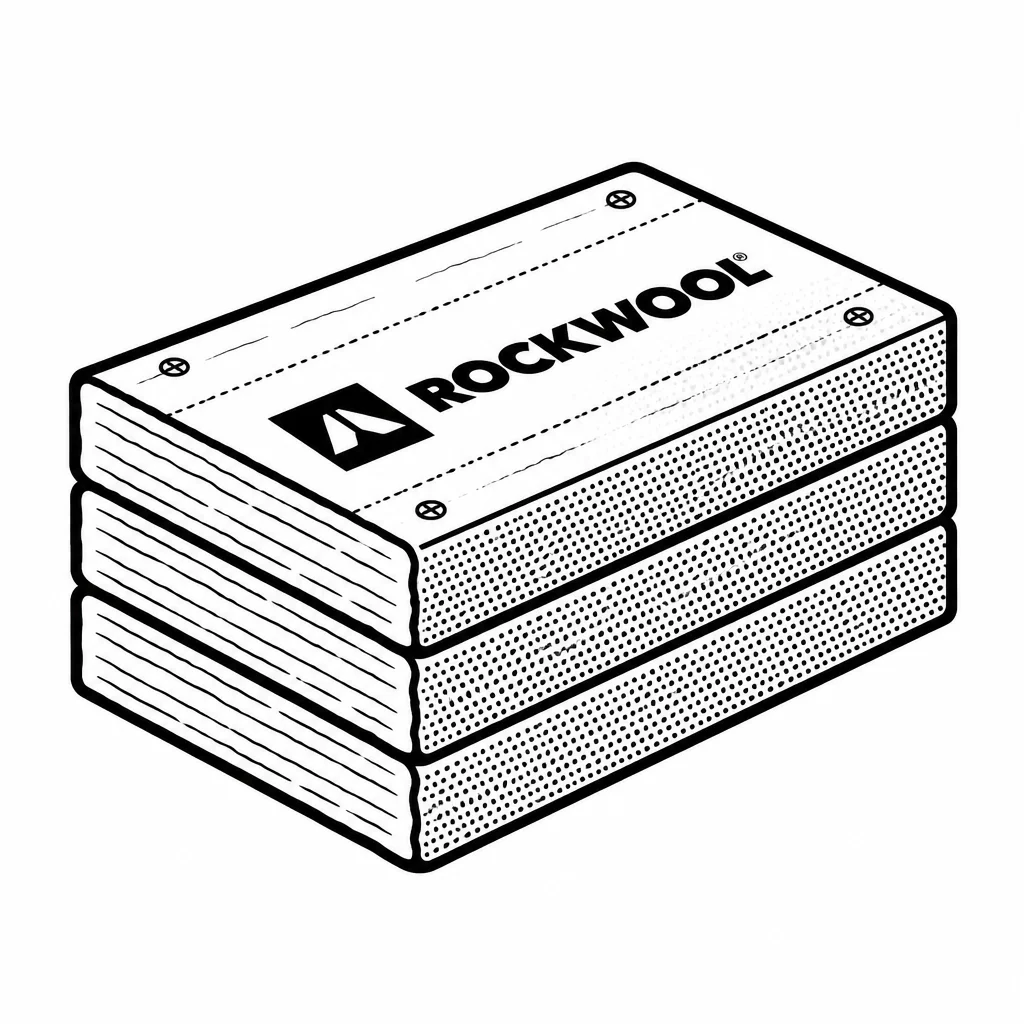
Customers are mostly building owners, contractors, architects, and industrial plants. They buy Rockwool insulation to cut heating bills, to meet fire-safety and energy rules, and to quiet buildings. There are cheaper options out there, like glass fiber or plastic foam, but stone wool holds up better to fire and moisture, and building codes in many countries are pushing demand toward materials that perform on safety. The company also makes acoustic ceiling panels and some industrial products, and it has a smaller business selling stone wool for making other things, like growing plants or filtering liquids. It is headquartered in Hedehusene, Denmark, and sells across Europe, North America, and Asia. The insulation market is fairly consolidated around a few big players, including Saint-Gobain and Owens Corning, so Rockwool competes on performance and trust more than on price. One thing that matters here is how physically demanding the business is. Shipping fluffy insulation long distances is a waste of truck space, so Rockwool builds factories near its customers, which costs a lot of money upfront but makes it hard for rivals to undercut it locally. Another is that insulation is a regulated product: stricter energy codes and fire rules tend to create demand. The flip side is that when construction slows, insulation orders slow right behind it.
Rockwool puts its cash into building and expanding plants, and it pays a steady dividend and buys back shares. It also has an unusual ownership setup where a foundation holds a controlling chunk of the votes, so management can take a longer view than a typical public company. And there is a neat bit of history baked into the name: the company's roots trace to the 1930s, when a Danish inventor figured out how to spin molten rock into wool after watching a volcano, and the factory became the basis for the business.
Saved answer · last researched 12 Nov 2026