Understand any stock in simple English
Enter a ticker to learn what the company does and how it makes money.
Rio Tinto Limited
Rio Tinto digs up iron ore, aluminum, copper, and other minerals and sells them to industrial customers around the world.
Rio Tinto is one of the world's largest mining companies. It pulls raw materials out of the ground — mostly iron ore, the stuff steel is made from — and sells them to factories, steel mills, and manufacturers around the world. If you live in a city, ride in a car, or use a phone, you are almost certainly touching something made from materials Rio Tinto dug up.
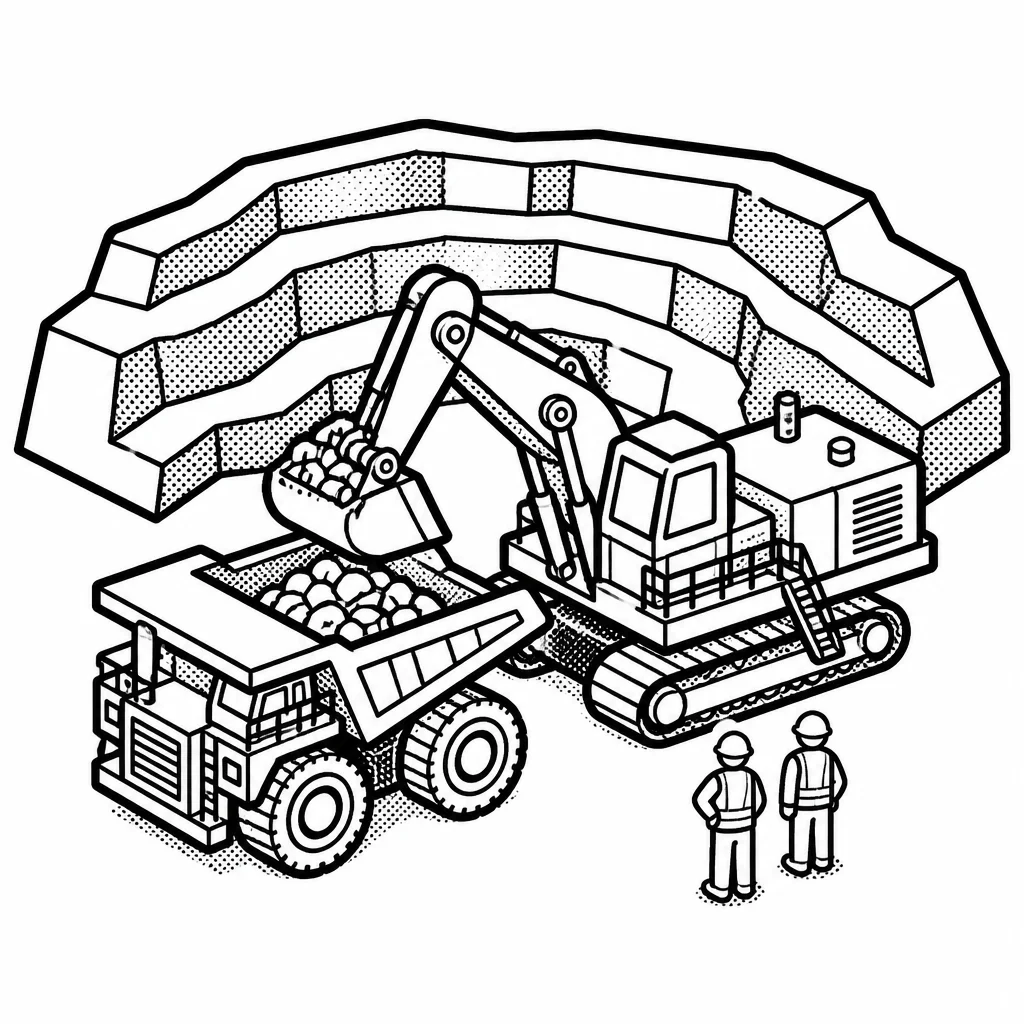
The company's biggest business by far is iron ore, dug from the Pilbara region of Western Australia, a remote, red-dirt landscape that is one of the richest iron ore deposits on Earth. Rio Tinto ships that ore mostly to China, where steel mills turn it into the steel used in buildings, bridges, cars, and appliances. That single trade — Australian dirt feeding Chinese construction — drives a huge share of the company's profits, which means Rio Tinto's fortunes rise and fall with Chinese demand and global iron ore prices. Beyond iron ore, Rio Tinto produces aluminum (from bauxite mines and smelters), copper (used in wiring and electronics), and smaller amounts of diamonds, titanium minerals, and lithium — the metal used in electric car batteries, a business Rio Tinto is betting on for the future. Its customers are industrial giants: steelmakers, smelters, and manufacturers who buy in enormous volumes and care about one thing above all — reliable supply of consistent quality at a competitive price. Rio Tinto's edge is scale and ore quality: its deposits are vast, its mines are efficient, and its logistics network of ports and rail lines is hard to copy.
Mining is a brutal, capital-hungry business. Building a new mine can cost billions and take a decade or more, and prices swing wildly with the global economy. Rio Tinto's answer is discipline: it runs some of the lowest-cost mines in the world, which lets it stay profitable even when prices fall, and it pays out a large chunk of its cash to shareholders as dividends. It has also faced real criticism over the years — most notably for destroying ancient Aboriginal rock shelters at Juukan Gorge in 2020 to expand an iron ore mine, an episode that cost its chief executive his job and forced the company to rethink how it treats cultural heritage. That story matters because it shows the tension at the heart of Rio Tinto's business: digging up the earth is enormously profitable, but the permission to keep digging depends on getting things right with the people and places affected.
Saved answer · last researched 12 Nov 2026