Understand any stock in simple English
Enter a ticker to learn what the company does and how it makes money.
Ratch Group Public Company Limited
Ratch Group builds and owns power plants, then sells the electricity they produce to utilities and factories.
Ratch Group is a Thai power producer. It builds and owns power plants — mostly ones that burn natural gas, but also wind, solar, and hydro — and sells the electricity those plants generate. Its biggest customer is Thailand's state electricity authority, which buys power from Ratch's large gas-fired plants and then distributes it to homes and businesses across the country. Ratch also sells steam to industrial customers, and increasingly it invests in power projects outside Thailand.
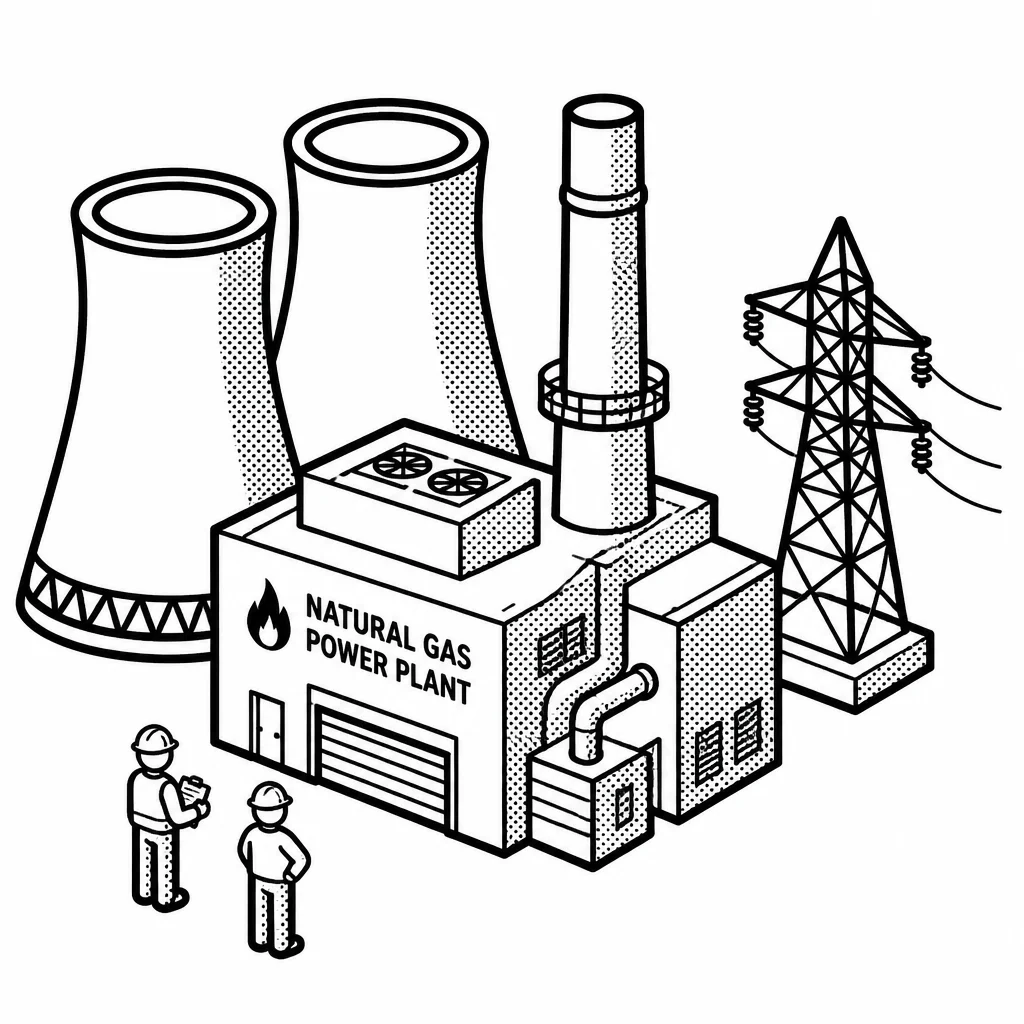
The core of the business is simple utility economics: spend a lot of money upfront to build a plant, then collect steady payments for decades as it runs. Ratch often holds minority stakes in plants rather than owning them outright, letting it spread capital across many projects and many countries. This is why it has grown into one of Southeast Asia's larger independent power companies, with projects in Laos, Australia, Vietnam, Indonesia, and the Philippines. The industry is changing. Ratch's traditional strength is gas-fired generation, which is reliable but carbon-heavy. Governments and lenders are pushing toward cleaner power, so Ratch has been adding renewables and cutting emissions. It also launched a battery storage business and an electric vehicle charging unit, betting that the grid of the future will need flexible storage as much as it needs raw generation. These are small today but signal where the company sees growth.
Ratch is majority-owned by the Electricity Generating Authority of Thailand, the state utility, which gives it a stable anchor and first pick of domestic projects. It pays a steady dividend, which is the main reason many investors hold the stock. The risks are real: fuel prices swing, Thailand's power demand grows slowly, and a shift away from gas could strand older plants. Ratch's answer is to diversify geographically and technologically, turning itself from a Thai gas producer into a broader Asian energy investor.
Saved answer · last researched 12 Nov 2026