Understand any stock in simple English
Enter a ticker to learn what the company does and how it makes money.
Ferrari N.V.
Ferrari builds and sells ultra-luxury sports cars and racing cars, charging premium prices for speed, beauty, and exclusivity.
Ferrari makes some of the most coveted cars on earth—low-slung, loud, and fast—and sells them to wealthy buyers who want a machine that feels like a trophy and a toy at the same time. It is also one of the oldest and most successful names in motorsport, and the racing side is not a sideline: it stokes the desire that sells the road cars. The company is headquartered in Maranello, Italy, and its shares trade in Milan and on the New York Stock Exchange.
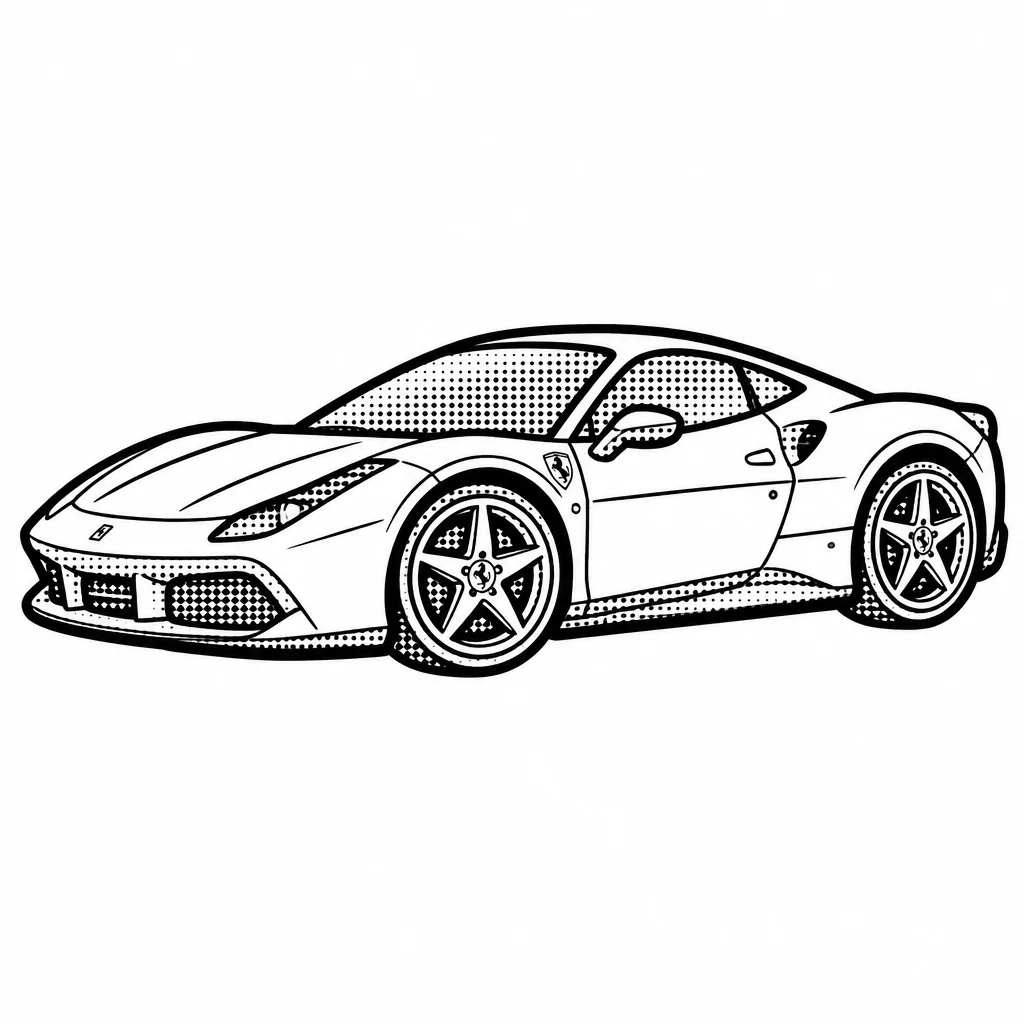
The core business is straightforward. Ferrari designs and builds a small number of cars each year—well under 20,000—and deliberately keeps supply tight so demand stays ahead of it. Buyers pay hundreds of thousands of dollars and often wait months or years for delivery. That scarcity is the engine of the whole thing: it protects resale values, keeps the brand aspirational, and lets Ferrari charge more rather than chase volume. On top of the cars, Ferrari earns money from personalization (custom paint, leather, and finishes), from racing, and from licensing its name onto things like apparel and theme parks. What makes Ferrari unusual is how much it earns per car and how little it depends on discounts. Its closest competitors in the ultra-luxury space include Porsche and Lamborghini-owner Volkswagen, along with boutique makers like McLaren, but Ferrari sits in a category of its own on price and mystique. The Formula 1 team is a marketing machine as much as a racing operation, and Ferrari's long history there—dating back to the 1950s—is a big part of why the brand means what it does.
The company generates strong free cash flow and mostly plows it back into new models, its hybrid and first fully electric cars, and shareholder returns. Ferrari has been preparing its first EV, a significant bet that even traditionalists will accept an electric Ferrari. The main risks are plain: a global luxury slowdown, heavy reliance on a narrow pool of rich buyers, and the challenge of going electric without losing the roar and drama that people pay for.
Saved answer · last researched 12 Nov 2026