Understand any stock in simple English
Enter a ticker to learn what the company does and how it makes money.
RENK Group AG
RENK makes the gearboxes, transmissions, and drive systems that move tanks, ships, and heavy industrial machines.
RENK is the company that makes the mechanical guts that make heavy machines move. If a tank needs to turn its engine's power into motion at the tracks, or a warship needs its propellers spinning at exactly the right speed, RENK builds the gearboxes and drive systems that do the job. Its customers are mostly militaries and defense contractors, along with industrial firms that run big machines like turbines and marine propulsion systems.
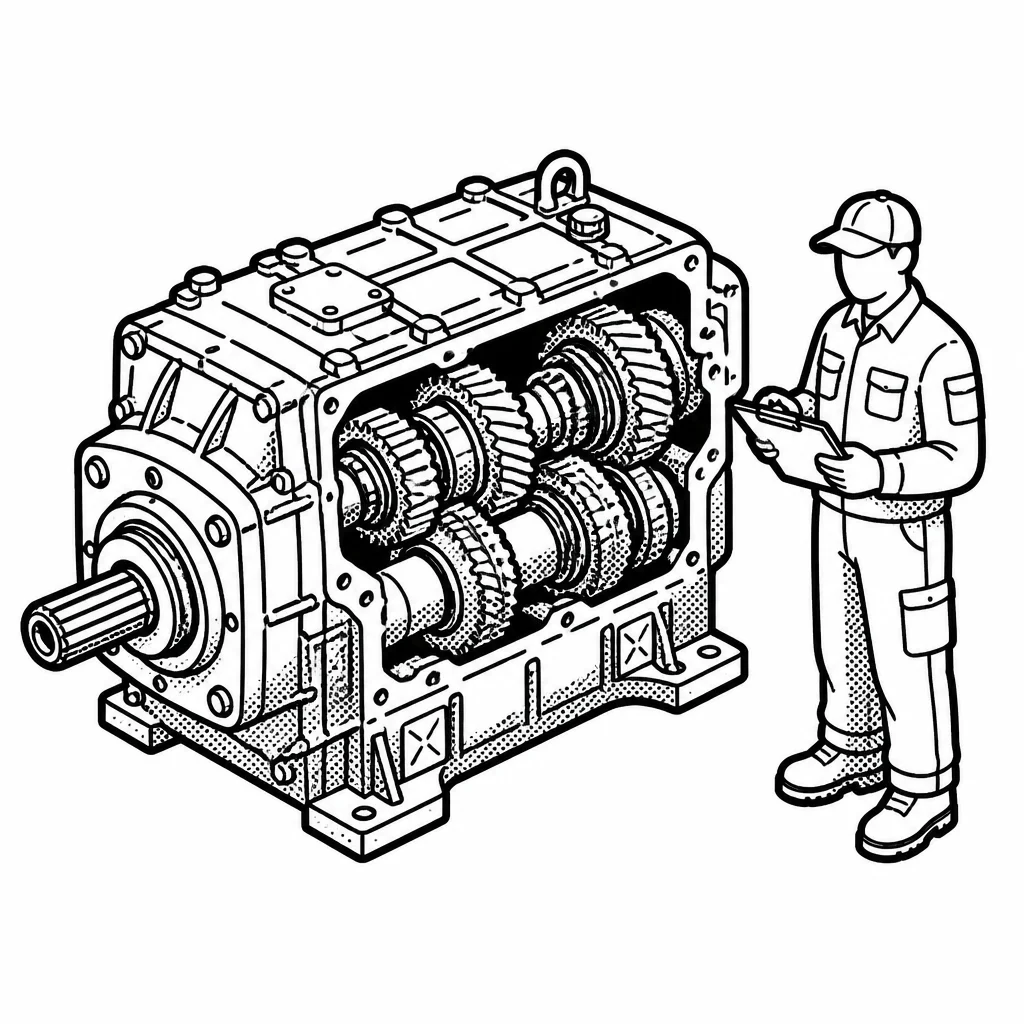
The business splits into a few clear parts. Vehicle mobility solutions covers transmissions and gearboxes for tracked and wheeled military vehicles — this is the part that has been growing fast as European countries spend more on defense. Marine and industrial covers gear units and propulsion systems for naval ships and heavy industry. And there is a bearings business that makes the precision components that keep rotating machinery running smoothly. Customers pay for reliability under brutal conditions: a gearbox in a tank has to work when it is dirty, hot, and being pushed hard, and militaries will pay a premium for a supplier they trust. The big story around RENK is defense spending. After Russia's invasion of Ukraine, European governments started writing much larger checks for military equipment, and RENK sits in the supply chain for many of those programs. The company listed on the stock exchange in 2024, and its order books have swelled as NATO countries restock and modernize. That makes it a classic "picks and shovels" defense play — it does not build the whole tank, but it builds a critical piece that the tank cannot work without. The risk is that this demand is tied to government budgets and political decisions, which can shift.
RENK's edge comes from being an entrenched supplier: once a gearbox is designed into a military vehicle program, swapping it out is slow and expensive, so customers tend to stick around for decades. The company has a long history in Germany's industrial base and competes with a small field of specialized transmission makers rather than a crowd of generalists. Its main vulnerability is concentration — a handful of large defense programs and government customers drive a big chunk of the business, so a budget cut or a delayed contract can sting. It also has to invest in capacity and engineering to keep up with demand, which is why watching its order intake and factory expansion matters more than any single quarter's profit.
Saved answer · last researched 12 Nov 2026