Understand any stock in simple English
Enter a ticker to learn what the company does and how it makes money.
Far East Hospitality Trust
It owns hotels and serviced apartments in Singapore and earns money from the people who stay in them.
Far East Hospitality Trust is a Singapore landlord for travelers. It owns a collection of hotels and serviced apartments around the island, and it makes money the way any hotel owner does: guests pay for rooms, and the trust keeps the difference after running costs.
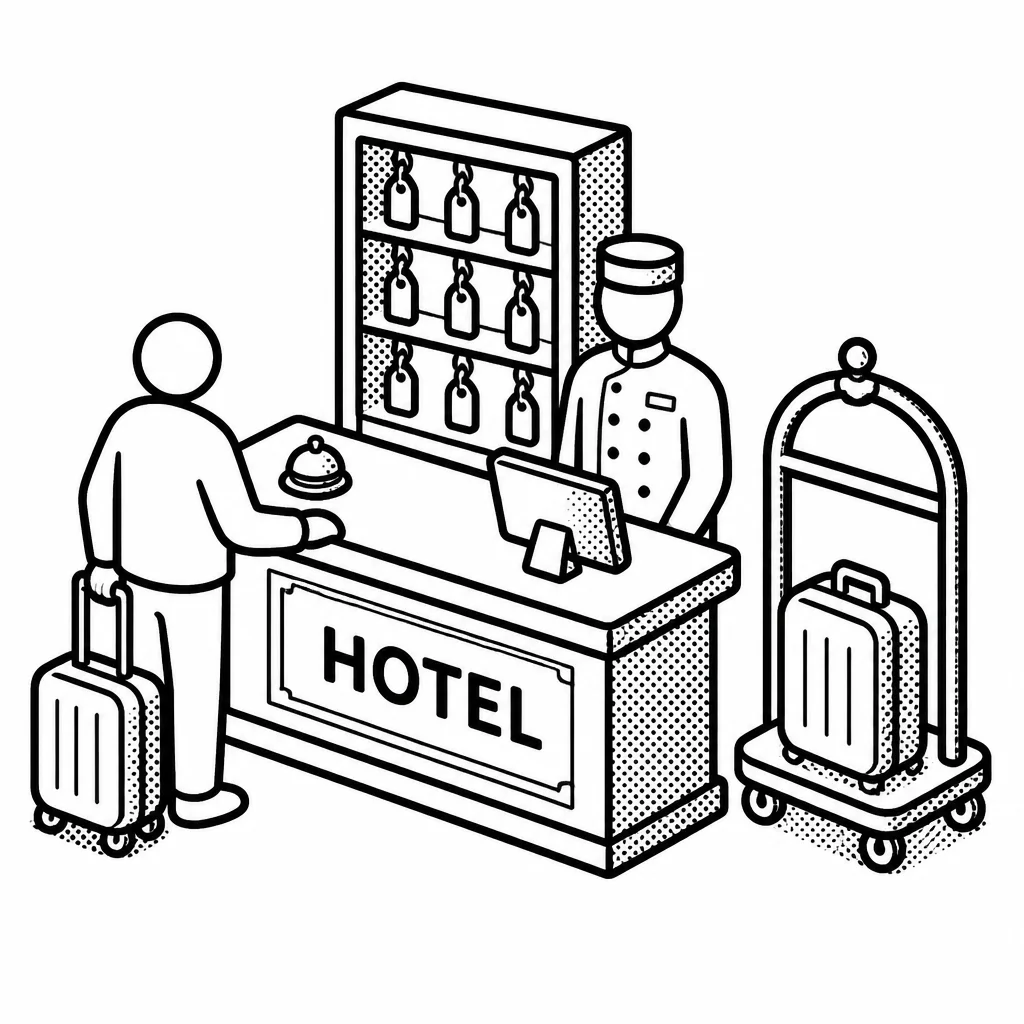
The business has three pieces. The hotels are the busiest and most familiar part. Serviced apartments are the second piece: these are apartment-style rooms with kitchens and living space, rented to people who stay for weeks or months rather than a night or two. The third piece is retail and office space attached to some of its properties, rented out to shops and other businesses. That mix matters because the segments behave differently. Hotels fill up and empty fast, tracking tourism and business travel. Long-stay residents sign leases and stay put, which steadies the income when travel slows. One unusual feature: the trust does not run most of its hotels itself. It hires an operator to manage day-to-day operations and pays that operator fees, while the trust collects the rent. This is a common structure in Singapore real estate investment trusts, and it means the trust behaves more like a landlord than a hotel company.
The risks are plain. Singapore's hotel market depends on how many tourists and business travelers arrive, and a wave of new hotel rooms can push prices down. The trust is also small relative to some rivals. Its steady rent and long leases give it a cushion, but the hotel piece keeps it exposed to the travel cycle. It pays out most of its income to unitholders as distributions, which is the main reason people own it.
Saved answer · last researched 12 Nov 2026