Understand any stock in simple English
Enter a ticker to learn what the company does and how it makes money.
PT Bukit Asam (Persero) Tbk
Bukit Asam mines coal and moves it to power plants and factories in Indonesia and overseas, mostly to be burned for electricity.
Bukit Asam is one of Indonesia's big coal miners. It digs coal out of the ground in South Sumatra, where it controls a huge stretch of reserves, and ships it to power stations, cement factories, and other industrial buyers. Most of its coal goes to customers in Indonesia, and a smaller slice is exported, mainly to Asian markets. In simple terms, it sells the fuel that keeps lights on and factories running.
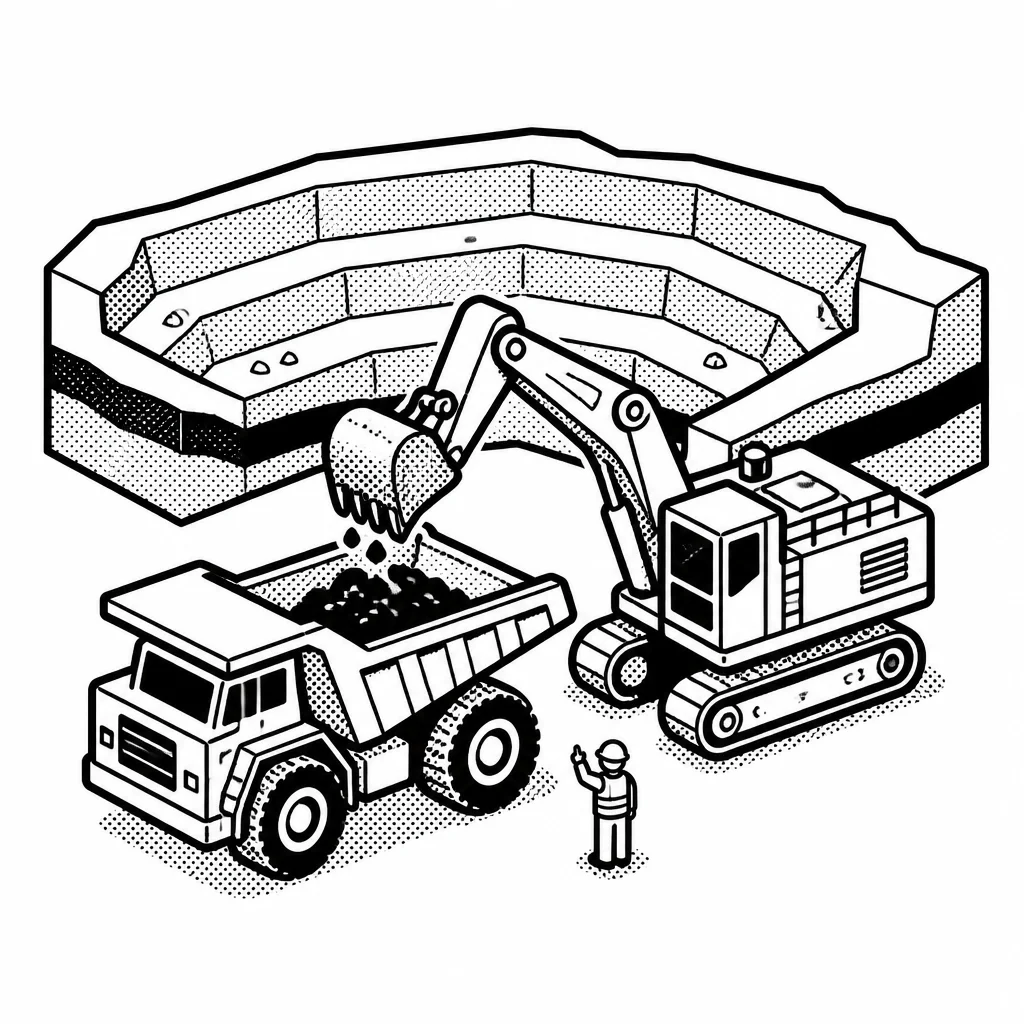
The company's main customers are electricity producers. Indonesia's state-owned power utility, PT Perusahaan Listrik Negara, is the anchor of the business, buying coal to feed its own plants and to supply independent power stations that sell electricity back to the grid. That relationship is a two-edged sword. It gives Bukit Asam a steady, giant buyer that most miners can only dream of. But it also means the price and volume of a large chunk of its sales are shaped by government policy and by state power demand, not purely by the free market. When it sells overseas, it competes on price with other Indonesian and Australian coal miners, and it wins or loses mostly on quality, shipping cost, and how close it sits to the sea. Coal is a cyclical, unloved commodity business, and Bukit Asam's fortunes swing with the global coal price. When prices are high, it gushes cash; when they crash, so do profits. The company also owns and depends on rail and port logistics to get its coal from inland mines to ships and plants, and moving coal cheaply and reliably is a big part of why customers stay. Like everyone in the sector, it faces a long-term pressure: the world is slowly shifting toward cleaner energy, and financing and demand for thermal coal could shrink over time. That makes how it spends its cash today more important than ever.
Bukit Asam is majority owned by the Indonesian state through a mining holding company, which ties it tightly to national policy. It has been pushing into gasification and other downstream coal projects to squeeze more value out of its reserves, though those plans are costly and slow. For now, the business is simple: dig coal, move it, sell it, and pay out some of the cash to shareholders while betting that Indonesian power demand stays strong long enough to make that coal worth digging.
Saved answer · last researched 12 Nov 2026