Understand any stock in simple English
Enter a ticker to learn what the company does and how it makes money.
Poste Italiane S.p.A.
Poste Italiane runs Italy's mail and parcel network and sells financial, insurance, and payment services through its post offices.
Poste Italiane is what happens when a country's postal service also turns itself into a bank, an insurer, and a payments network. Most Italians know it as the place to send a letter or pick up a package, but the post office counter is also where millions of people keep savings accounts, buy insurance, pay bills, top up a phone, and collect a pension. It serves customers across Italy through its post office network and digital channels, and it is listed on the Milan Stock Exchange.
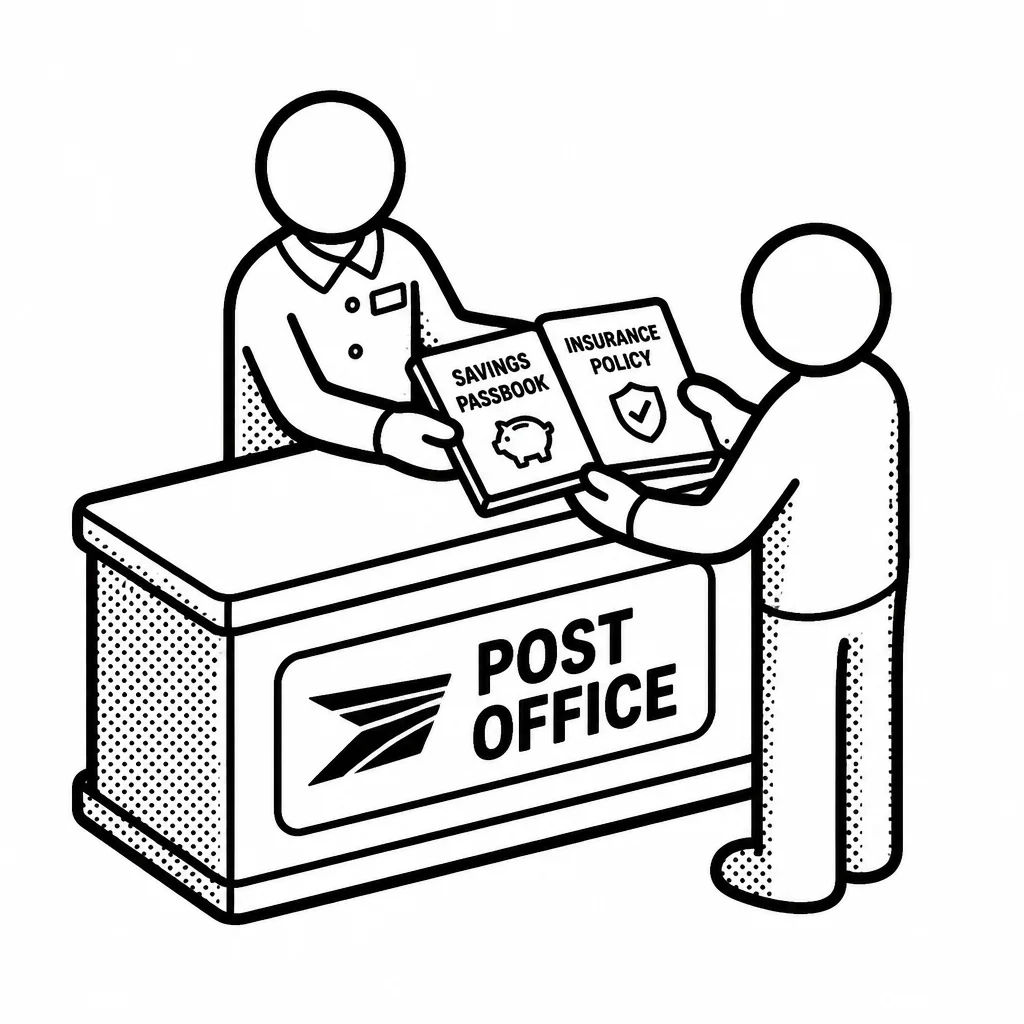
The business splits into distinct pieces. Mail and parcels is the traditional core: delivering letters, handling e-commerce packages, and running the logistics behind them — a segment under pressure as paper mail declines but lifted by online shopping volumes. Then there is the money side, which is where the real earnings live: payments and financial services (savings products, accounts, cards, bill payments) and insurance, especially life and protection policies sold through the post office. A separate payments unit handles things like payment cards and merchant services. In short, the stamp business gets the foot traffic, and the financial and insurance counters make the money. What makes Poste Italiane unusual is its reach. Its post offices sit in small towns and villages where big banks have pulled up stakes, so for many Italians it is the most convenient — sometimes the only — place to do basic financial business. That footprint is a genuine moat: it is expensive to replicate a nationwide branch network, and the brand carries the weight of a public institution. The Italian state remains the controlling shareholder, which cuts both ways — it provides stability and backing, but it also means politics and public-service obligations are never far from the business.
The company has been pushing to modernize: more parcels and logistics capacity to ride the e-commerce wave, more digital payments, and a growing push into energy and phone services sold alongside the traditional offerings. Its large pile of customer savings and insurance premiums gives it steady, recurring earnings that fund a well-known dividend. The risks are equally clear: falling letter volumes, thin margins in parcel delivery against tough competitors, and the constant need to keep a huge, aging network efficient while the government keeps a hand on the wheel. It is a business that runs on trust and ubiquity more than on any single product.
Saved answer · last researched 12 Nov 2026