Understand any stock in simple English
Enter a ticker to learn what the company does and how it makes money.
Porto Seguro S.A.
Porto Seguro sells insurance, pension plans, health coverage, and financial services to people and businesses in Brazil.
Porto Seguro is one of Brazil's best-known insurance groups. It sells the kind of protection people and businesses buy so a bad day doesn't turn into a catastrophe — mostly auto insurance, but also home, life, and business coverage, plus health plans, pension products, and financial services like loans and a digital bank. For millions of Brazilian families, Porto Seguro is the name on the little card in the glovebox or the app they open after a fender bender.
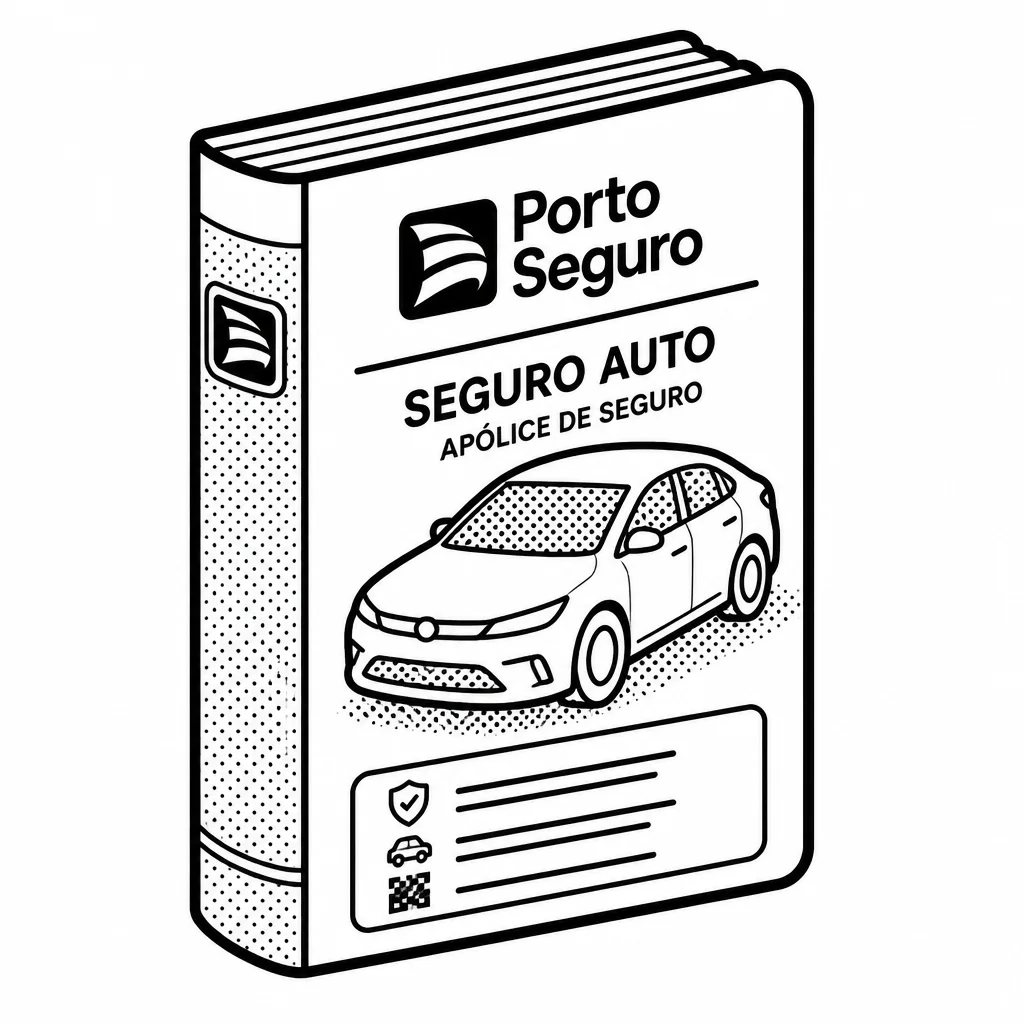
The heart of the business is car insurance. Brazil is a big country with a lot of cars and a lot of accidents, and Porto Seguro built its reputation on handling claims quickly and well. That matters because insurance is a promise business: customers pay premiums now for help later, and they only find out whether the promise was worth it at the worst moment. Beyond the policy itself, the company sells a bundle of practical services — 24-hour roadside assistance, repair shops and auto-glass centers, and rental cars while yours is in the shop — which keeps customers from wandering to a rival at renewal time. Insurance money is a little strange. A company collects premiums up front and pays claims later, so in the meantime it sits on a pile of cash it invests. If claims and costs come in below what it charged, it makes an underwriting profit; if it invests that float wisely, it makes more. Porto Seguro lives on both, but underwriting discipline is the real engine — pricing risk carefully and saying no to business that will lose money. Big competitors like Bradesco and Itaú Unibanco sell insurance too, and price competition is constant.
Porto Seguro leans on a few things its rivals find hard to copy: a trusted brand, a huge network of repair shops and partners it partly owns, and a loyal customer base that tends to buy more than one product from it. On the messy side, Brazil's high interest rates make car loans expensive and dent demand for insurance-linked credit products, and a big share of its customers rely on installment payments. The company has also invested heavily in digital banking and health ventures, which add growth but not immediate profit. Like most insurers, its results swing with inflation, unemployment, and how aggressively rivals price their policies — which is why careful underwriting, not flashy expansion, is what to watch.
Saved answer · last researched 12 Nov 2026