Understand any stock in simple English
Enter a ticker to learn what the company does and how it makes money.
Pearson plc
Pearson sells textbooks, digital course materials, and tests — and it also helps schools and governments run exams and measure what students have learned.
Pearson is one of the world's biggest education companies. It sells the textbooks and digital course materials that students use in school and university, and it runs the tests and assessments that measure whether they've learned anything. If you've ever taken a standardized exam, used an online homework platform, or bought a course textbook, there's a decent chance Pearson was behind it.
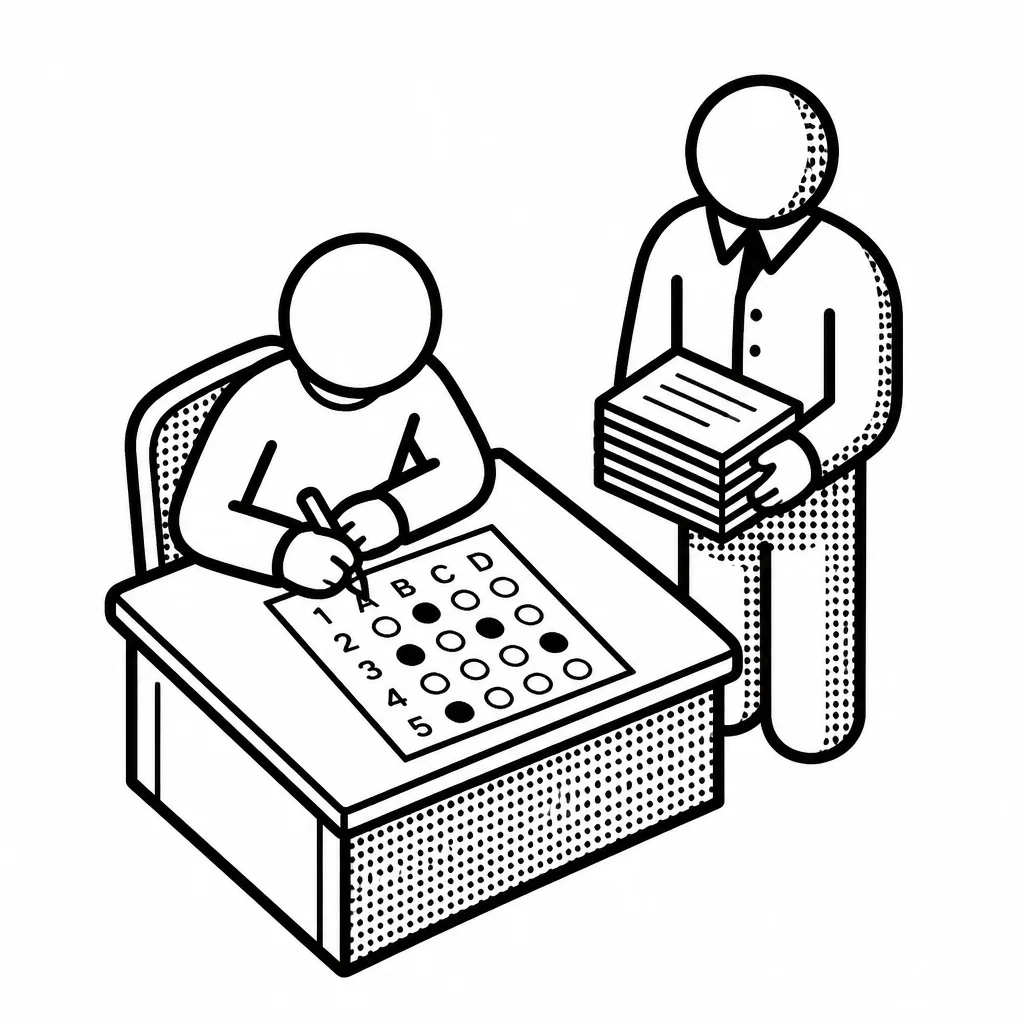
The business has two main sides. The first is courseware: textbooks, e-books, and digital learning tools that universities and schools assign to students, plus vocational training materials for people learning a trade or profession. The second is assessment: Pearson writes and administers exams and standardized tests for schools, governments, professional bodies, and employers — the kind of high-stakes tests that decide university admissions or professional licenses. Pearson gets paid by institutions, governments, and students themselves, and customers choose it largely because its tests and textbooks are trusted and widely recognized. It also owns a stake in a major consumer testing business, though it has been selling down that position. The education business sounds stable, but it isn't. Pearson has spent years pivoting from printed textbooks to digital products, because students increasingly rent or pirate books and universities push for cheaper materials. That transition is painful: print revenue shrinks faster than digital revenue grows. Pearson has also faced activist investors who pushed it to sell off non-core assets, and it has been cutting costs and buying back shares to keep investors happy. The company pays a dividend and has used proceeds from asset sales to fund buybacks rather than chasing big acquisitions.
The big question is whether Pearson's assessment arm — the part that runs exams and tests — can carry the company as the textbook business slowly fades. Tests are stickier and harder to replace than textbooks, which is why Pearson leans on them. The company's real advantage is its entrenched relationships with schools, governments, and professional bodies that don't switch exam providers easily. Its weakness is that education spending is political, budgets are squeezed, and free or cheap digital alternatives keep chipping away at the textbook business. Pearson is a company in the middle of reinventing itself, and it's betting its future on testing and digital learning rather than ink and paper.
Saved answer · last researched 14 Nov 2026