Understand any stock in simple English
Enter a ticker to learn what the company does and how it makes money.
Public Storage
Public Storage rents self-storage units to people and businesses on a month-to-month basis and sells tenant insurance to those renters.
Public Storage is the biggest self-storage company in America. It owns thousands of properties — the familiar orange-and-blue buildings you see along highways and in strip malls — where people rent small rooms, lockers, and bigger units to stash things they don't have space for at home or at the office. Customers range from a family clearing out a garage to a small business storing inventory, tools, or paperwork.
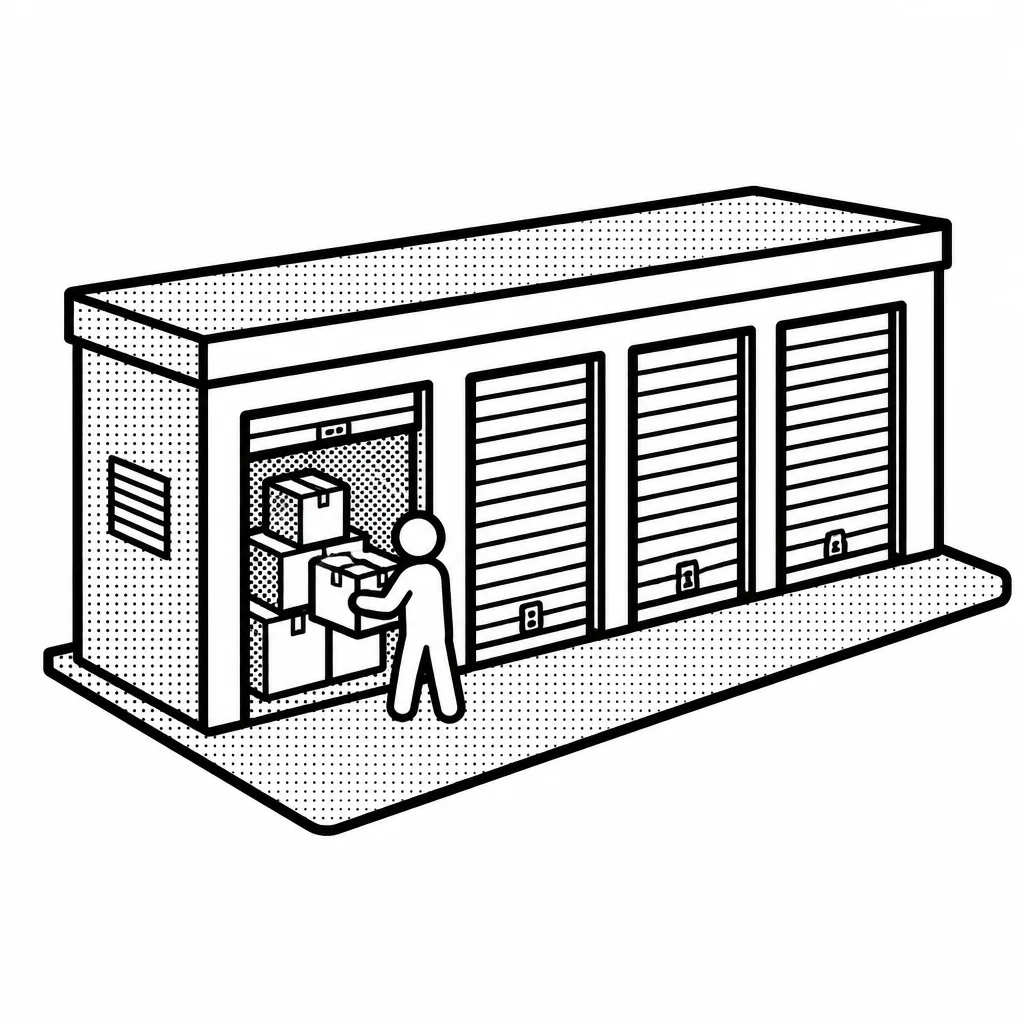
The key to how it makes money is the lease. Units are rented month-to-month, which means customers can leave easily but also means the company can raise prices steadily over time as a unit fills up. That pricing power is the heart of the business: once a property is built and full, the cost of running it barely changes, so most of every extra dollar of rent drops to the bottom line. Public Storage also sells tenant insurance to renters, a high-margin add-on that grows alongside occupancy. Self-storage is a simple, steady business with real advantages. Building new storage is expensive and often blocked by local zoning, so existing properties face limited new competition. The biggest rivals are Extra Space Storage and CubeSmart, but the market is huge and fragmented. Public Storage's scale — a national brand, millions of customers, and a huge portfolio — lets it spread advertising and operating costs across many locations.
The company has long been a favorite of income investors because storage generates piles of cash that don't require constant reinvestment. It pays a sizable dividend and has steadily grown by buying and building more properties. The flip side is that the business is tied to moving and life events, so demand cools when people move less, and new supply in hot markets can pressure rents. Lately the company has pushed into higher-end, climate-controlled units and expanded its insurance offerings to squeeze more from each property.
Saved answer · last researched 12 Nov 2026