Understand any stock in simple English
Enter a ticker to learn what the company does and how it makes money.
Prio S.A.
Prio is a Brazilian oil and gas company that buys old oil fields and squeezes more oil out of them.
Prio is an oil producer — the kind of company that pulls crude out of the ground off the coast of Brazil and sells it to the world market. Its specialty isn't finding brand-new oil in untouched places. It buys fields that bigger companies have already built and then abandoned as "too small" or "too old," and it squeezes more oil out of them at a lower cost.
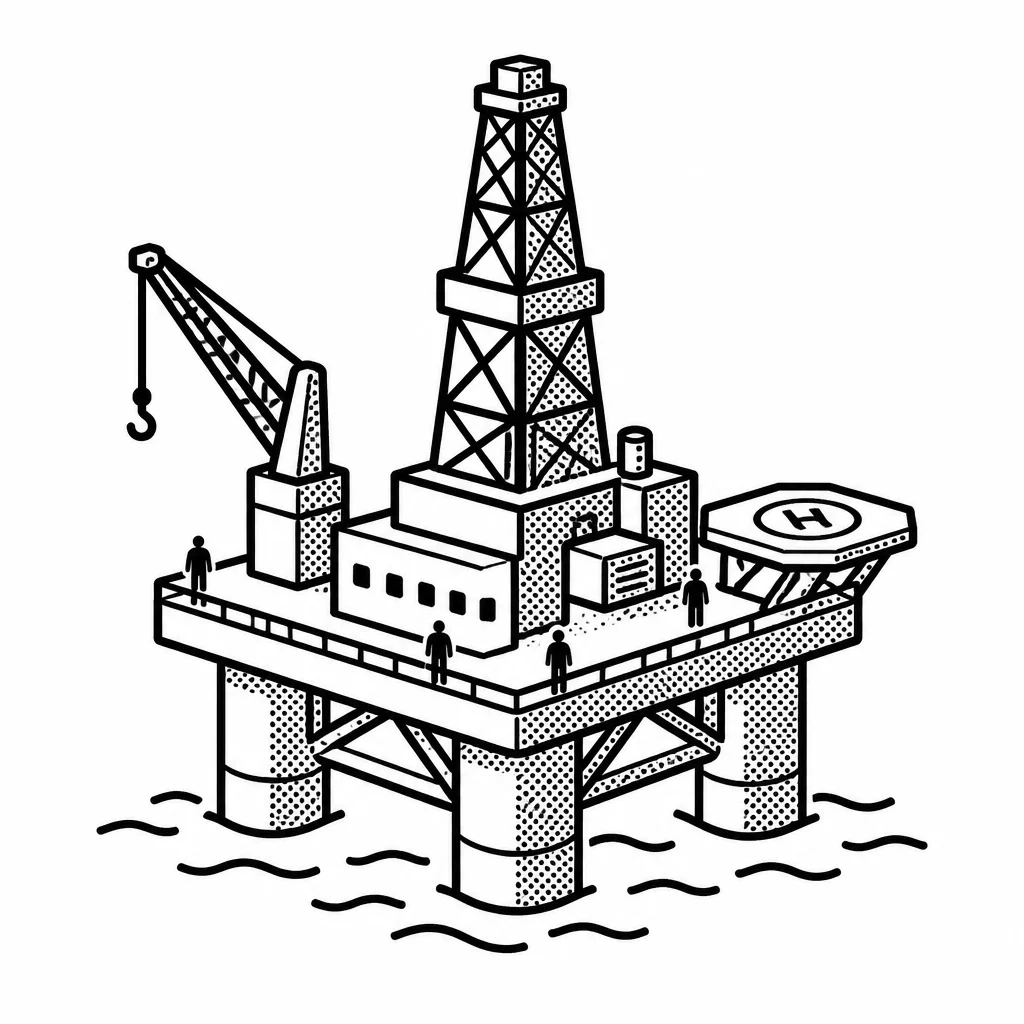
That strategy is called reviving mature fields, and it explains almost everything about how Prio makes money. The expensive part of oil — the platforms, wells, and pipelines — is already there, so Prio doesn't have to spend years and billions building from scratch. It comes in, fixes up the equipment, drills a few new wells, and boosts production. It earns the difference between what a barrel sells for and what it costs to lift it, and that gap can be fat when oil prices are decent. Two of its best-known assets are the Frade and Albacora Leste fields in the Campos Basin. Prio used to be called PetroRio, and the name change in 2022 was really a signal: this is an independent, lean operator, not a small arm of the giant state oil company Petrobras. Its main competitors for buying fields are other independent producers and the majors selling off older assets, and it has to compete for those deals with everyone from Shell to smaller local players. Its edge is speed and cost discipline — it is very good at doing more with fields others have given up on.
The risk is baked into the model. Prio lives and dies by the price of a barrel of oil, which it doesn't control, and by the geology of its fields, which can disappoint. It also depends on regulators approving deals and on its ability to keep lifting costs low. When oil is expensive, the business throws off lots of cash; when it's cheap, the thin-margin revival story gets a lot harder.
Saved answer · last researched 12 Nov 2026