Understand any stock in simple English
PROG Holdings, Inc.
PROG Holdings offers lease-to-own and buy-now-pay-later payment plans that let U.S. consumers take home products they can't buy outright or finance with regular credit.
PROG Holdings is in the business of saying yes when other lenders say no. Its main brand, Progressive Leasing, works with retailers to offer a lease-to-own option at the checkout: a shopper who wants a couch, a mattress, a phone, or a laptop but lacks the cash or the credit score can take the item home and pay it off in installments instead. The customer pays more than the sticker price over time for that flexibility, and the retailer makes a sale it otherwise would have lost.
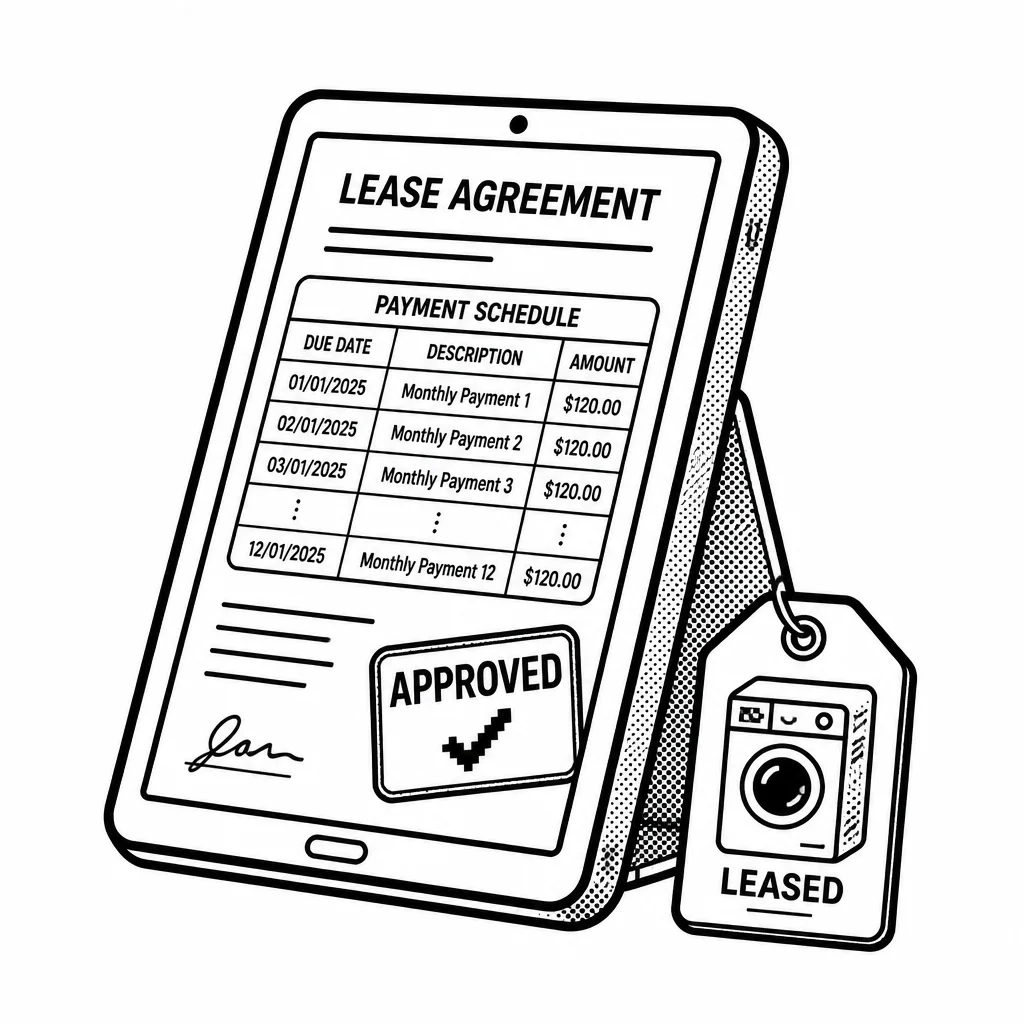
The second piece is Four, a buy-now-pay-later service aimed at the same kind of shopper — people with thin or damaged credit who still need to buy things. Where a typical buy-now-pay-later app targets debit-card holders with decent credit, Four is built for the overlooked crowd. The company's real customers are the retailers, who pay PROG to bring them buyers and handle the awkward financing part, and the shoppers, who pay fees and interest for access to credit they can't easily get elsewhere. The business model is essentially short-term, high-touch lending dressed up as a lease. PROG puts up the money to buy the product from the retailer, then collects payments from the consumer. The risk is obvious: these are customers with shaky credit, and some won't pay. PROG's skill is pricing that risk, underwriting quickly at the point of sale, and keeping losses low enough that the fees still add up to a profit. It lives or dies on consumer credit health — when unemployment rises and wallets tighten, defaults climb.
The company was formerly Aaron's Holdings, a name tied to its old rent-to-own store roots before it split off and refocused on the technology-driven lease-to-own and payment side. It now leans on a network of retail partners rather than its own storefronts. It also returns a lot of cash to shareholders, funding buybacks and a dividend from the steady stream of payments it collects. The bet is simple: as long as Americans want things they can't quite afford and traditional lenders keep turning them away, PROG gets paid to bridge that gap.
Saved answer · last researched 17 Nov 2026