Understand any stock in simple English
Enter a ticker to learn what the company does and how it makes money.
Permian Resources Corporation
Permian Resources is an oil and gas company that drills wells in West Texas to pump crude oil and natural gas out of the ground and sell it.
Permian Resources is an oil and gas producer. It owns land in the Delaware Basin, a huge oil-rich stretch of West Texas and southeastern New Mexico, and it drills wells there to pull crude oil and liquids-rich natural gas out of the ground. It then sells that oil and gas to refineries, pipeline companies, and other buyers. The company doesn't refine fuel, run gas stations, or build wind farms—it is purely in the business of finding oil underground and getting it to the surface.
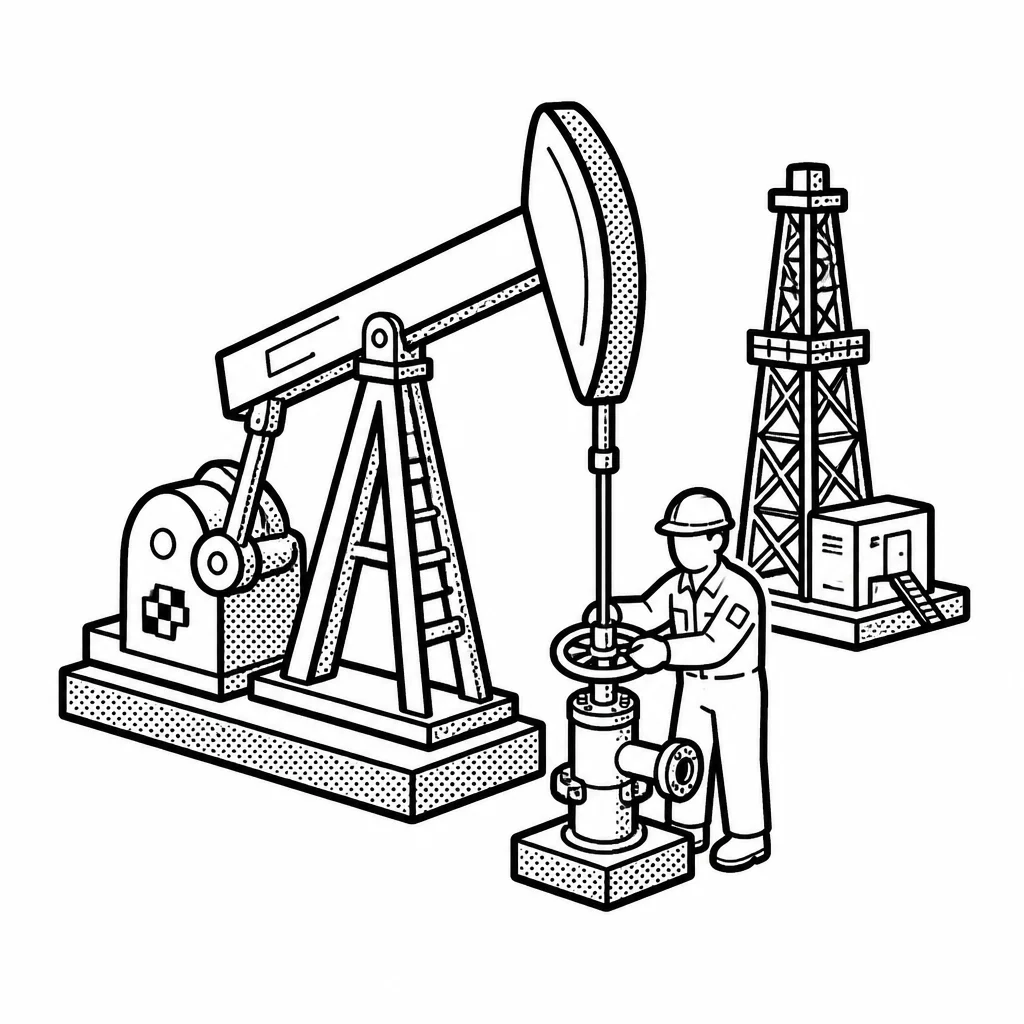
The way this works is simple in concept. Permian Resources leases mineral rights from landowners, which gives it the right to drill. It then spends money upfront to drill and complete a well—fracking the rock so oil and gas can flow—and after that the well produces for years. The company earns money by selling what comes out, and its profit depends on two things it can control (how cheaply it can drill and operate) and one big thing it can't: the global price of oil. When oil prices are high, the business throws off a lot of cash. When prices crash, the same wells become much less profitable. What makes Permian Resources notable is scale and location. The Delaware Basin is one of the most productive oil fields in the world, and the company has built a large position there, partly through a major merger with Earthstone Energy that closed in 2023 and roughly doubled its size. Being big in one tight geographic area lets it spread costs across many wells and reuse drilling crews and equipment. Its main competitors are other shale producers working the same rock, such as EOG Resources and Diamondback Energy, and it competes for land, labor, and investors.
The business is cyclical and capital-hungry. Permian Resources spends heavily to keep drilling new wells, because shale wells decline quickly—production from a new well falls off sharply after its first year, so the company must keep drilling just to stand still. Any cash left over after that spending tends to go toward paying down debt from acquisitions and returning money to shareholders through dividends and buybacks. It is a straightforward bet: if you believe oil prices stay decent and the company keeps drilling efficiently, it generates real cash; if oil prices fall hard, the math gets ugly fast.
Saved answer · last researched 14 Nov 2026