Understand any stock in simple English
Enter a ticker to learn what the company does and how it makes money.
Pembina Pipeline Corporation
Pembina moves and processes oil and gas products through its pipelines and facilities, and also sells hydrocarbons, earning fees and trading margins.
Pembina is a Canadian energy infrastructure company. Think of it as the middleman of the oil and gas world: it doesn't usually find the oil or own the wells. Instead, it owns the pipes, processing plants, and storage terminals that connect producers in western Canada to customers across North America. Producers pay Pembina to move their natural gas liquids, crude oil, and other hydrocarbons through this network, and Pembina also runs a marketing business that buys and sells these products.
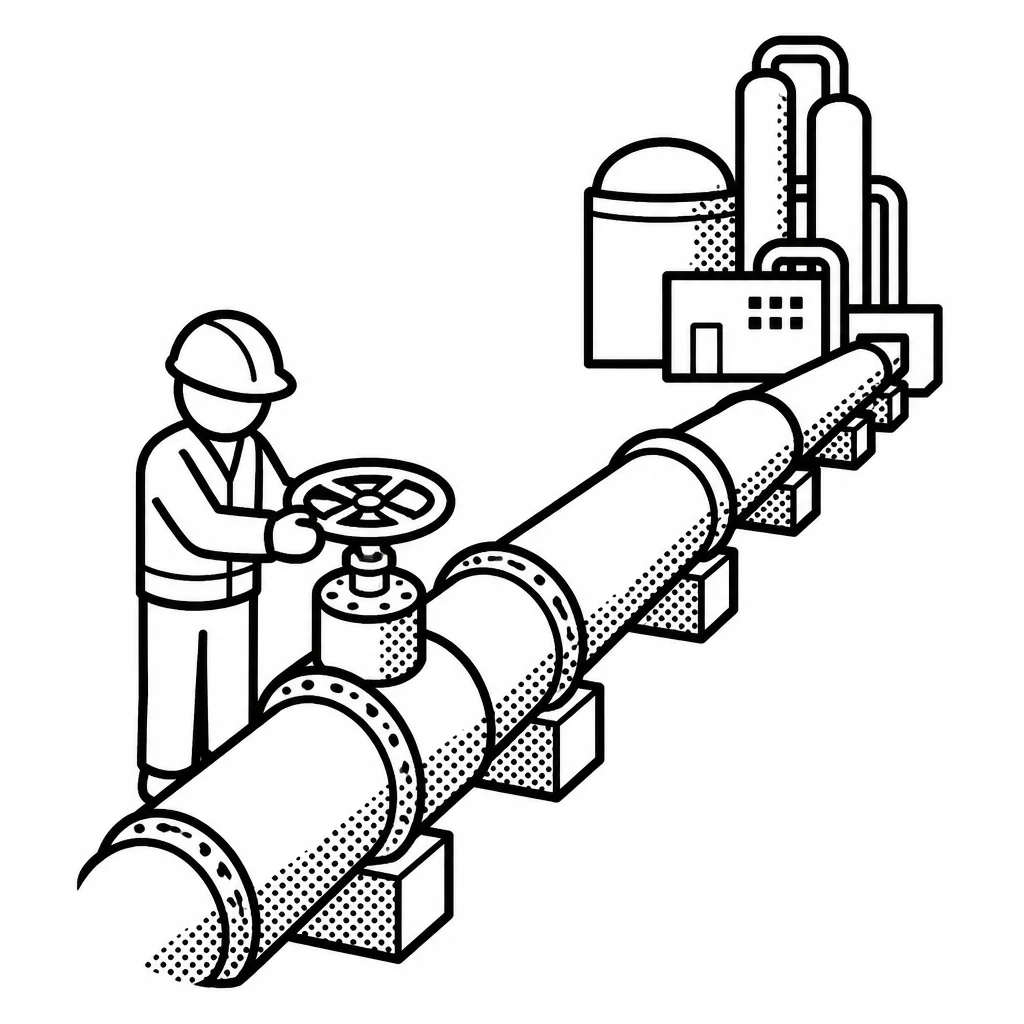
The core of the business is a vast pipeline network, mainly in Alberta and British Columbia. It carries natural gas liquids (the propane, butane, and condensate that come out of gas) and crude oil. Pembina also operates processing facilities and fractionators, which separate mixed hydrocarbon streams into usable products, plus storage and rail terminals. Its customers include oil and gas producers, refiners, and industrial users. The appeal is reliability and scale—Pembina's network is one of the largest in the region, and it's expensive and slow to build new competing pipelines, which gives incumbents a moat. The marketing segment is different from the fee-based pipeline business. Pembina buys hydrocarbons and resells them, profiting from spreads and logistics. That segment is much more exposed to commodity price swings, so the company has been steering its strategy toward long-term, fee-for-service contracts that generate steadier cash flow. This matters: pipeline fees are stable and predictable, while marketing profits can vanish when prices move against them. Pembina is a big dividend payer, which is a major reason many Canadians own the stock. It pays out a large share of its cash flow to shareholders and has a long history of raising the dividend. That payout makes it popular with income investors, but it also means less cash kept inside the business for growth. The company has grown partly by acquisition, buying up small rivals and building out its integrated network over decades.
The risks are real. Pembina's fortunes are tied to western Canadian energy production, and its pipelines face regulatory scrutiny, environmental opposition, and the long-term question of what happens to oil and gas demand. If producers slow down, there's less volume to move. Still, for now, Pembina remains the plumbing that keeps a big chunk of Canadian energy flowing to market.
Saved answer · last researched 12 Nov 2026