Understand any stock in simple English
Enter a ticker to learn what the company does and how it makes money.
Pro-Pac Packaging Limited
Pro-Pac Packaging makes and sells the bags, films, containers, and labels that other businesses use to wrap, protect, and ship their products.
Pro-Pac Packaging makes the unglamorous stuff that keeps products safe on their way to you: flexible plastic films and bags, rigid containers and closures, and labels and printing. Its customers are mostly other businesses — food producers, farmers, manufacturers, and retailers — who need packaging that protects their goods, keeps them fresh, and looks good on a shelf. Pro-Pac sells them both the packaging itself and the service of designing and printing it.
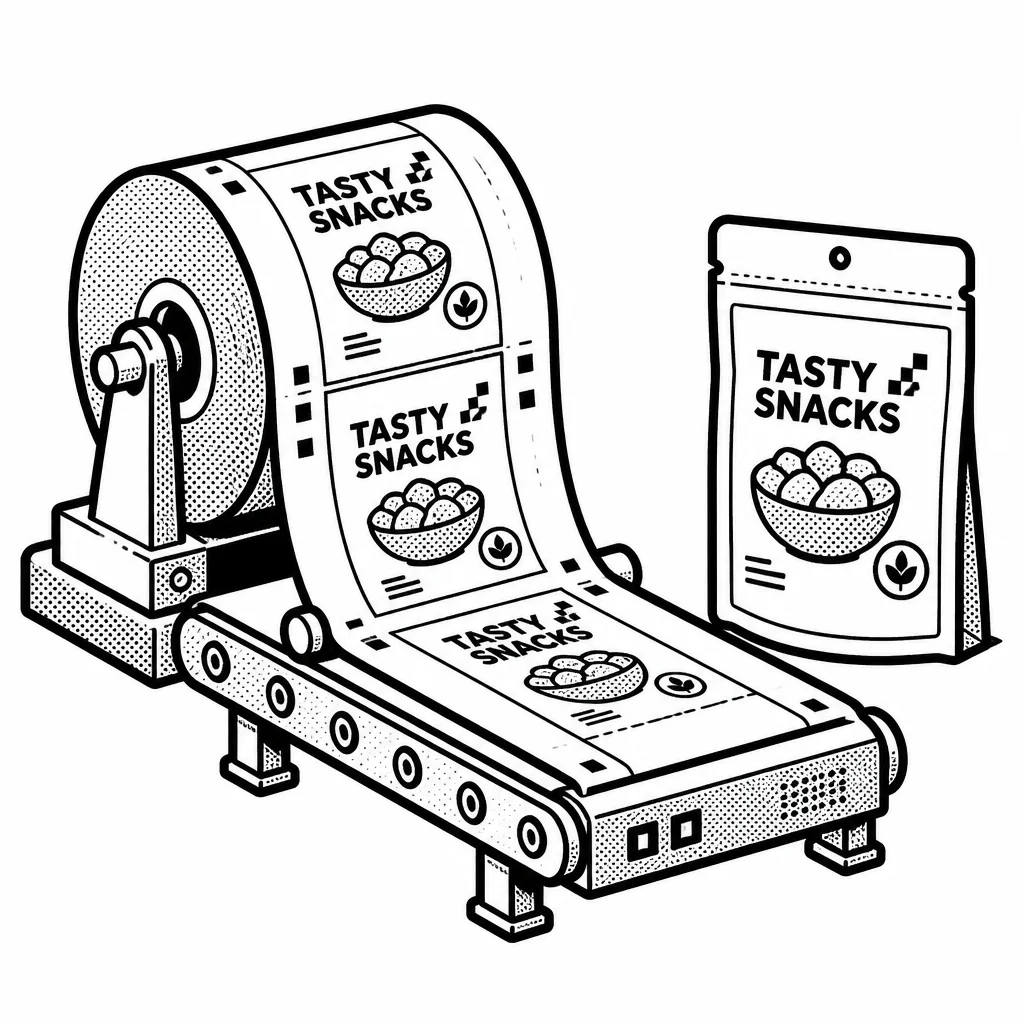
The business runs on volume and reliability. A carrot farmer needs bags that won't tear, a snack maker needs film that seals properly, and a dairy needs bottles and labels that arrive on time, every time. Packaging is a small cost next to the value of the product inside, so customers care less about shaving a cent and more about never running out. That gives an established supplier like Pro-Pac steady, repeat demand — and makes it hard for a new entrant to win the account just on price. The trouble is that this is a tough, low-margin game. Resin prices swing with oil markets, big customers squeeze suppliers on price, and the industry is crowded with larger rivals. Pro-Pac grew for years by buying up smaller packaging businesses, but that strategy left it with debt and thin profits, and it struggled to make the whole thing pay. In 2025 its shares stopped trading on the ASX, and the company moved into private hands as its lenders and owners took control — a quiet end for a business that had spent years trying to build an Australian packaging champion.
So what you have today is a real, working manufacturer with real customers, but one that never quite made the economics work as a listed company. Its future now depends on whether private owners can fix the margins and the debt that the public market grew tired of waiting on.
Saved answer · last researched 14 Nov 2026