Understand any stock in simple English
Enter a ticker to learn what the company does and how it makes money.
Portland General Electric Company
Portland General Electric generates and sells electricity and natural gas to homes and businesses in Oregon.
Portland General Electric keeps the lights on in Oregon. It is the state's largest electric utility, delivering power to roughly half of Oregon's population, and it also sells natural gas to retail and wholesale customers. Most people in its service territory do not choose it — they simply pay the bill when they plug something in.
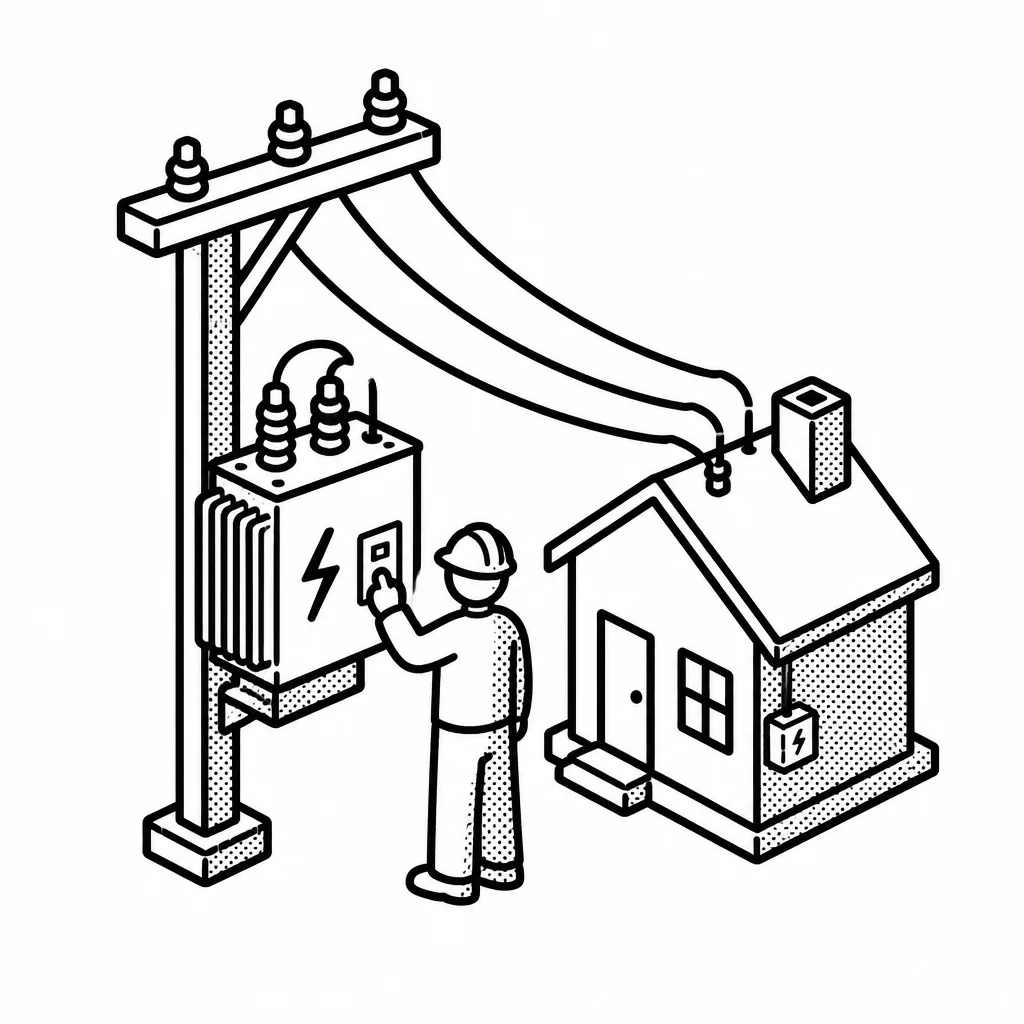
The business is a regulated utility, which is a fancy way of saying the government sets its prices. In exchange for a guaranteed, modest return, PGE agrees to serve everyone reliably and lets regulators review its costs. So the company's job is not to outsmart rivals on price but to keep the grid running, plan for growth, and get approval to build what it needs. Customers pay for the electricity and gas they use, month after month, through good economies and bad. Where the power comes from is the big story. Oregon has pushed hard to clean up its electricity, and PGE is racing to comply. The company closed its coal plant in Boardman and is spending heavily on wind, solar, and battery storage. It also owns and operates the Trojan nuclear plant's legacy — and more importantly, it's now investing in new battery projects and grid upgrades. In 2024, Oregon regulators approved a plan for PGE to add more renewables, and the company has been building out its system to handle the electrification of heating and cars. The biggest risk is that demand grows faster than planned, or that wildfire costs and lawsuits hit the balance sheet.
Because utilities are capital-hungry, PGE spends billions on poles, wires, substations, and power plants. That money comes from customers through rates, but also from investors: it pays a dividend and periodically raises capital by selling shares. The real long-term question is simple. Can PGE build enough clean power, keep the lights on, and earn a fair return without letting costs spiral? If it can, it is a steady, boring business that quietly powers a state. If it can't, customers and shareholders both pay the price.
Saved answer · last researched 14 Nov 2026