Understand any stock in simple English
Enter a ticker to learn what the company does and how it makes money.
Preformed Line Products Company
Preformed Line Products makes the hardware that holds up and protects power lines and telecom cables, from the clamps that grip wires to the boxes that splice fiber underground.
Preformed Line Products makes the unglamorous hardware that keeps electricity and internet flowing. When a utility strings a power line between poles, something has to grip that wire, hold it tight, and stop it from shaking itself apart in the wind — and that something is often made by this company. It sells clamps, splices, insulators, and protective enclosures to electric utilities and telecom carriers, mostly in the United States but also around the world, and it competes with bigger electrical-equipment names like Hubbell and TE Connectivity alongside a crowd of smaller suppliers.
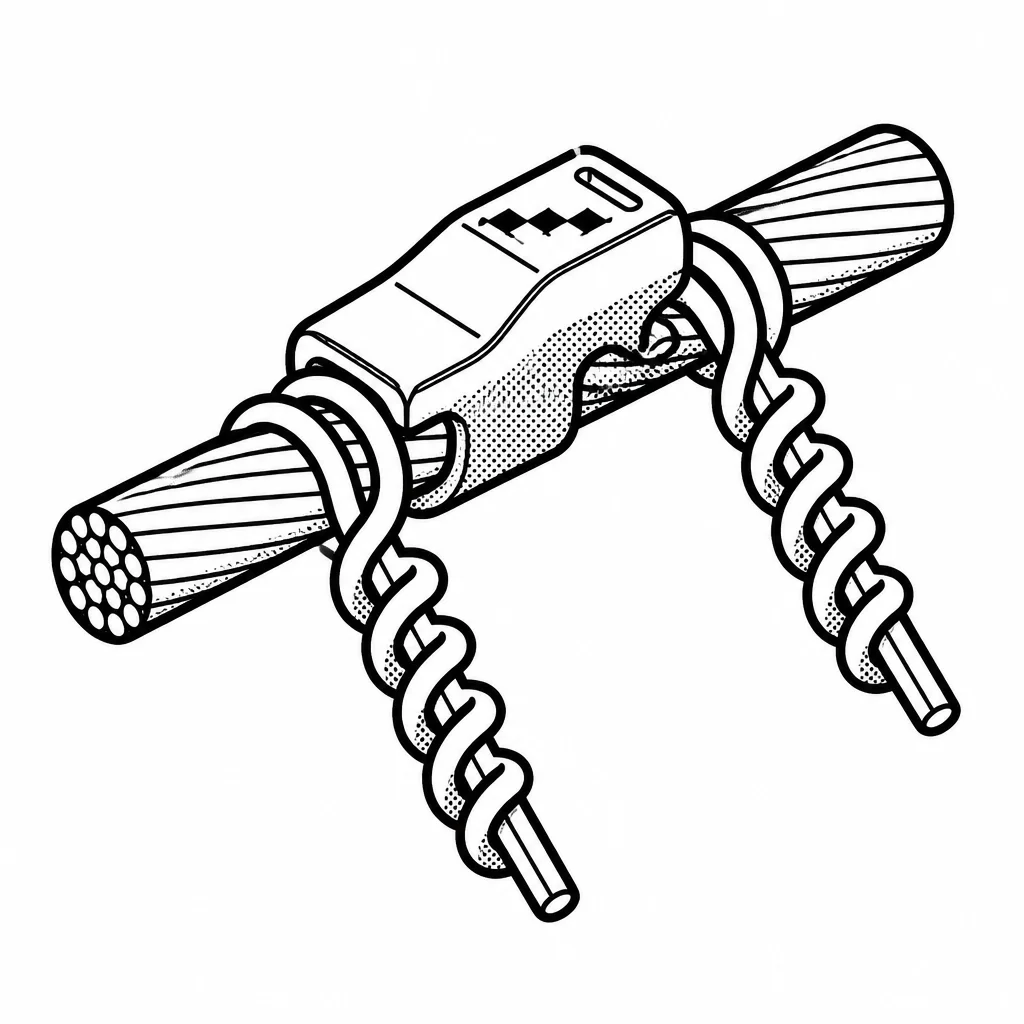
The business splits into two broad pieces. The energy side makes the parts that hold up and protect overhead power lines and connect underground cables, sold to utilities building and maintaining the grid. The communications side makes splice closures and fiber-management gear — the boxes where cables are joined and protected, often underground — sold to phone and broadband carriers. Customers pick Preformed largely because these are small, critical parts: a failed clamp can drop a line, so utilities tend to stick with suppliers whose hardware is proven and certified. The company's name comes from its founding idea in the 1940s: preformed wire grips, which are helically wound wire coils that wrap around a cable and hold it through friction rather than bolts. That simple concept built a niche business that has stayed profitable through grid spending cycles. Revenue runs in the hundreds of millions of dollars a year, and the company is majority controlled by the founding Ruhlman family, which keeps management focused on long-term engineering rather than quarterly showmanship.
Its fortunes now ride on two big spending waves: utilities hardening and expanding the grid, and carriers building out fiber broadband. That gives it real tailwinds, but also real vulnerability — utility capital budgets are cyclical, rising interest rates make those projects pricier, and the company depends on a limited set of large customers. It pays a modest dividend and reinvests much of its cash into plants and products rather than chasing acquisitions, a conservative approach that fits a family-run hardware maker.
Saved answer · last researched 16 Nov 2026