Understand any stock in simple English
Enter a ticker to learn what the company does and how it makes money.
Pirelli & C. S.p.A.
Pirelli makes tires for cars, motorcycles, and bicycles and sells them around the world.
Pirelli is a tire company. It sells the black rubber rings that go on your car, your motorcycle, and even your bicycle, and it sells them in countries all over the world. Most of us never think about tires until something goes wrong, but they are the only part of a car that actually touches the road, and that is the whole business.
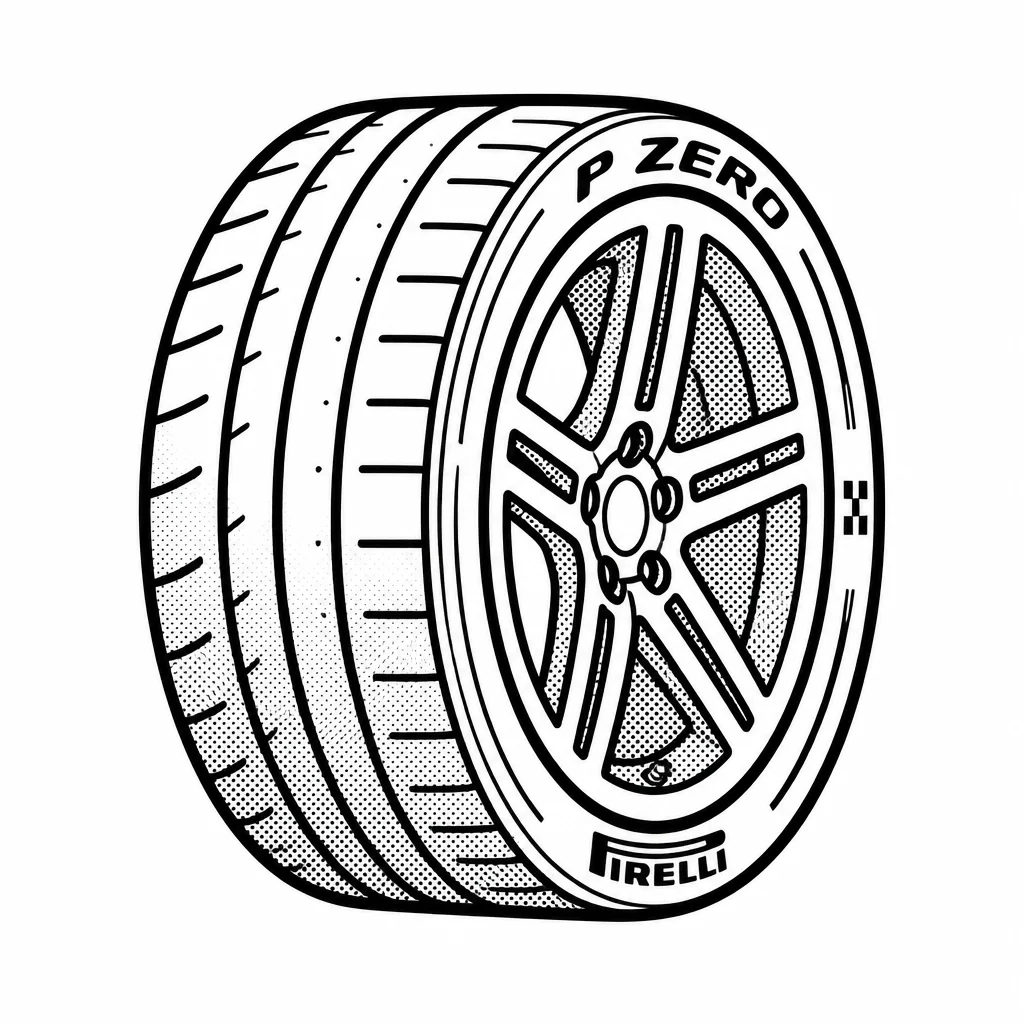
The company's real identity is high-end tires. Pirelli is not the biggest tiremaker by volume — that is Bridgestone or Michelin — but it has spent decades positioning itself as the premium choice, the tire that sports cars and luxury sedans come with from the factory. It calls this "High Value" and it is the heart of the strategy: sell fewer tires but charge more for each one. That is why you see the Pirelli name on Formula 1 cars and on the sidewalls of Porsches and BMWs. The company also runs a smaller consumer business in motorcycles and bicycles, and it has a motorsport and "cyber" side that sells tire sensors and data services to carmakers. The economics are simple to grasp. Carmakers buy Pirelli tires in bulk to fit on new cars — that is the "original equipment" business. Then, when those tires wear out, the driver walks into a tire shop and buys replacements, which is where the real money is made. Pirelli has a brand that makes people ask for it by name, so it can charge a premium over a generic tire. The company is headquartered in Milan, and its shares trade on the Milan Stock Exchange. There are real risks. Car production is cyclical, and when automakers cut output, Pirelli's original equipment orders fall with it. The company also faces fierce price competition from cheaper Asian brands, and it depends on a handful of big carmaker customers. More recently, Pirelli has been caught up in geopolitical tension: its largest shareholder is a Chinese state-owned company, and Italian regulators have taken steps to limit that shareholder's influence over strategic decisions. That is an unusual problem for a tiremaker, but it matters because it affects who controls the company.
The business model still works because tires are a recurring purchase. Every car on the road needs new tires every few years, and Pirelli's brand gives it pricing power that most tiremakers do not have. The company also pays a dividend and has bought back shares, returning cash to investors rather than pouring everything into new factories. It is a mature, steady business with a premium brand and a complicated ownership story.
Saved answer · last researched 12 Nov 2026