Understand any stock in simple English
Enter a ticker to learn what the company does and how it makes money.
Piaggio & C. SpA
Piaggio makes and sells scooters, motorcycles, mopeds, and small commercial vehicles like the three-wheeled Ape to dealers and customers around the world.
Piaggio is the Italian company behind the Vespa scooter, and that little rounded machine is the heart of the business. It builds scooters, motorcycles, mopeds, and small commercial vehicles, then sells them through dealers to people and businesses in country after country. The name most people know is Vespa, but the company also owns brands like Aprilia, Moto Guzzi, and Derbi, each aimed at a slightly different rider.
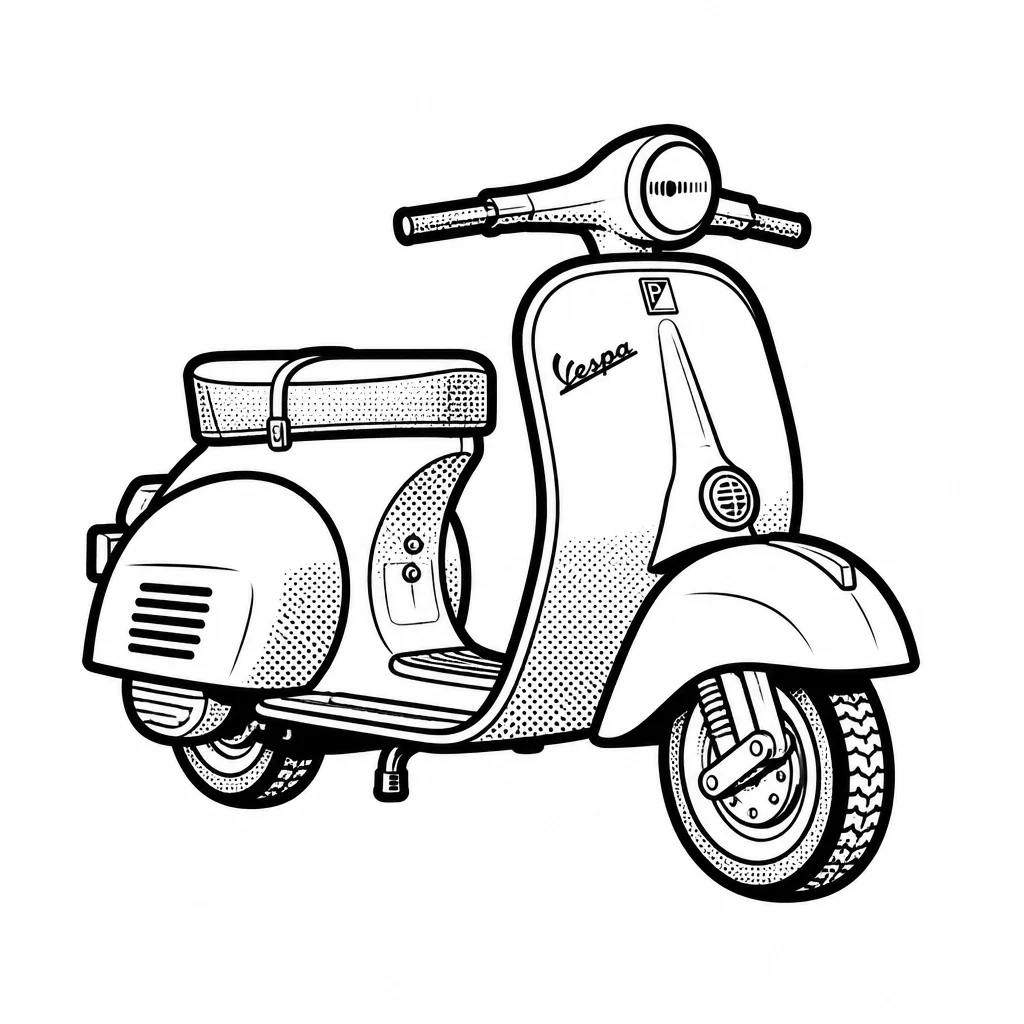
The money works like this: a dealer orders a batch of scooters or bikes, sells them to customers, and Piaggio earns a margin on each one. It also makes money from spare parts, accessories, and merchandise — a Vespa owner who buys a helmet or a chrome rack is still a Piaggio customer. The three-wheeled Ape is a different kind of sale entirely: in places like India and Italy, small shopkeepers and delivery drivers buy it as a cheap, practical workhorse. What makes Piaggio strong is the Vespa brand itself, which has been around since 1946 and carries a kind of style and nostalgia that rivals struggle to copy. In Europe it is a dominant player in scooters, and it is the market leader in India's scooter market. But it is not a giant: Honda and Yamaha are far bigger overall, and Indian rivals like TVS and Hero compete hard on price. Sales move with how much spare cash people have, and the business is exposed to currency swings and to competition from cheap electric two-wheelers.
In recent years Piaggio has been investing in electric versions of its scooters, including an electric Vespa, because cities are tightening rules on petrol engines. It also has a small but growing business making scooters and bikes for other brands, which helps keep its factories busy. It pays a modest dividend and is controlled by the Colaninno family through a holding company. The company has had a bumpy ride since its 2006 listing, and its shares have never quite delivered the sparkling returns its scooters suggest.
Saved answer · last researched 12 Nov 2026