Understand any stock in simple English
Enter a ticker to learn what the company does and how it makes money.
Sprott Physical Gold Trust
It holds bars of physical gold in a vault and sells shares that let ordinary investors own a slice of that gold without buying and storing the metal themselves.
Sprott Physical Gold Trust is a simple idea wrapped in a stock listing. It buys actual gold bars and stores them in a secure vault, then sells shares to investors on the NYSE Arca exchange. When you buy a share, you own a small claim on that pile of metal — roughly one share equals a tiny fraction of a gold bar. The trust does the boring, expensive part: buying the gold, insuring it, and paying a vaulting company to keep it safe. You get gold exposure without worrying about a home safe or a coin dealer.
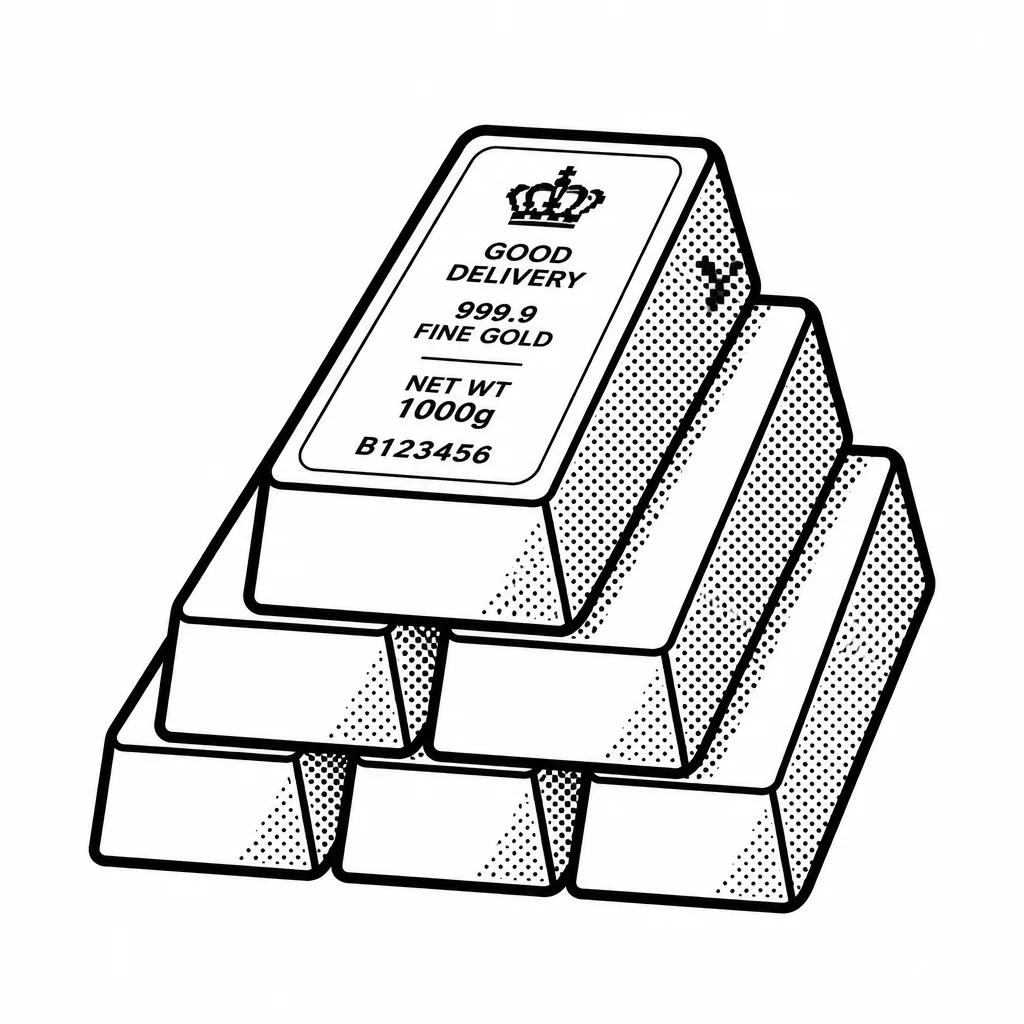
The trust earns money by charging a management fee, a small annual cut of the assets it looks after. That fee is the whole business model. There is no gold mining, no trading desk, no lending out the metal. Sprott, the Canadian asset manager behind it, collects that fee in exchange for handling storage and administration. The trust also lets big investors convert their shares into actual gold bars, though that is a move for institutions, not typical retail buyers. Why would someone own this instead of gold coins or a gold fund? Convenience and cost are the pitch. Buying and storing physical gold yourself is a hassle and comes with insurance and security bills. A gold ETF like SPDR Gold Shares does something similar, but it is structured as a grantor trust with its own tax quirks in the US. Sprott's trust is a Canadian trust, and it markets itself as a way for US investors to hold gold with potential tax advantages compared with some competing products, though investors should check their own situation.
The business is essentially a giant vault with a stock ticker, and its fortunes rise and fall with the gold price and with investor appetite for a safe-haven asset. The trust buys gold when investors put money in and sells metal when they cash out, so the pile of bars grows and shrinks with demand. It holds no operating business, no factories, no customers to chase. Its main risks are the gold price, competition from cheaper or more popular gold funds, and the trust's own fee — a small drag that compounds over years. It is a straightforward, almost boring product, which is exactly the point.
Saved answer · last researched 16 Nov 2026