Understand any stock in simple English
Enter a ticker to learn what the company does and how it makes money.
Precigen, Inc.
Precigen develops gene and cell therapies to treat cancer, autoimmune disorders, and infectious diseases.
Precigen is a biotech company that engineers genes and cells into medicines. Its main bet is on a technology called UltraCAR-T, a way of making a patient's own immune cells hunt down cancer more effectively. The company also has programs aimed at autoimmune disorders and infectious diseases, and it runs a subsidiary called Exemplar Genetics that supplies genetically modified pigs for medical research.
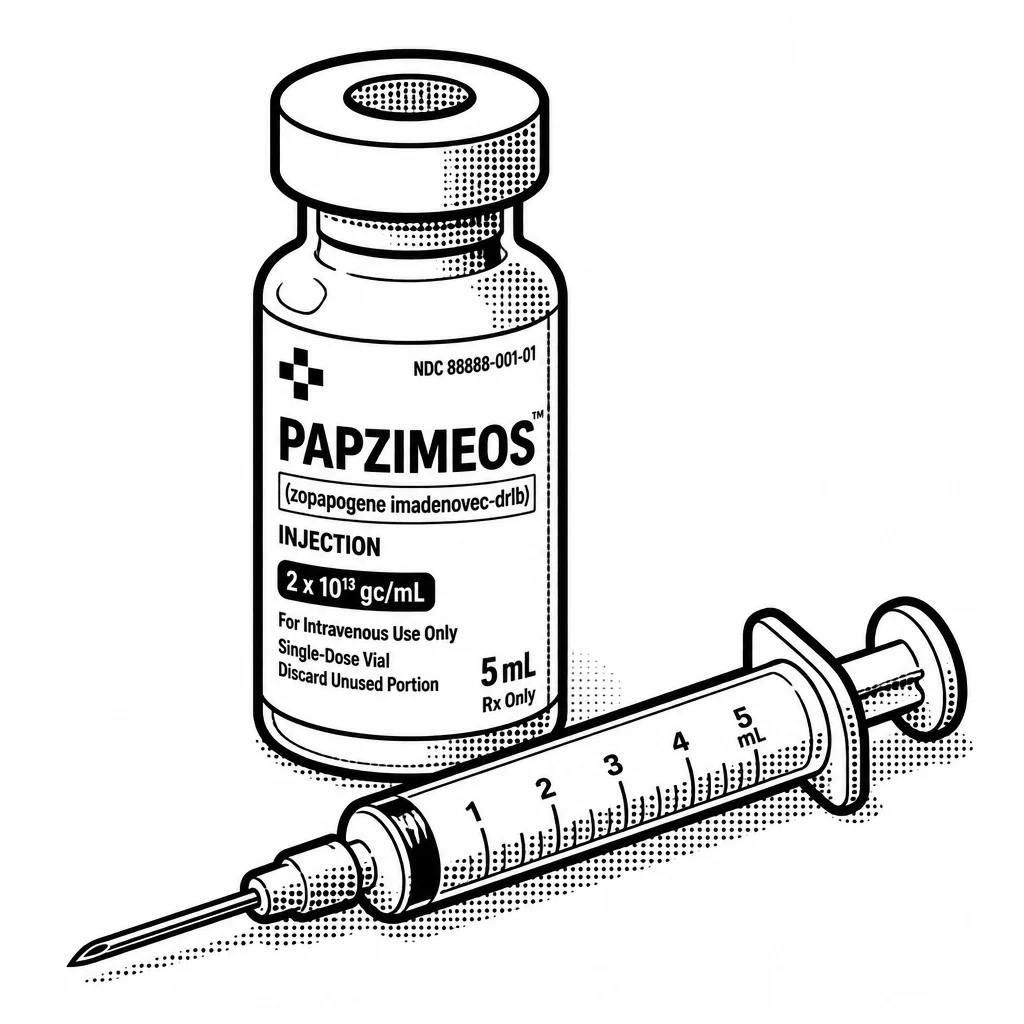
The core idea behind UltraCAR-T is speed and simplicity. Traditional CAR-T therapies, the kind that have turned certain blood cancers into treatable diseases, require a slow, expensive manufacturing process: a patient's cells are collected, shipped to a factory, engineered, and sent back weeks later. Precigen's approach is designed to make those engineered cells inside the patient's own body overnight, cutting out the factory step and the long wait. Precigen is a small, clinical-stage company, which means most of its therapies are still being tested in humans rather than sold broadly. That makes it a high-risk, high-reward bet: if its UltraCAR-T platform works in trials, the payoff could be enormous, but the company has burned through cash for years funding research and has repeatedly raised money from investors to keep going. Its pipeline includes treatments being studied for ovarian cancer and other solid tumors.
The company traces its roots to Intrexon, a synthetic biology firm that rebranded as Precigen in 2020 after selling off parts of its business. That history matters because Precigen inherited a sprawling collection of science projects and had to narrow itself into a focused drug developer. Whether that focus pays off depends entirely on clinical trial results, which is the honest reality for nearly every small biotech: the science is the business, and the stock rises and falls on data.
Saved answer · last researched 16 Nov 2026