Understand any stock in simple English
Enter a ticker to learn what the company does and how it makes money.
PT Perusahaan Gas Negara (Persero) Tbk
PGN moves natural gas through pipelines to homes, factories, and power plants across Indonesia and sells the gas to them.
PGN is the company that brings natural gas to your door — or, more often, to the door of a factory or power plant. It runs the pipelines that carry gas across parts of Indonesia and sells that gas to industrial customers, commercial businesses, and households. Most of its money comes from big industrial buyers and from selling gas to power producers, but the everyday image is simple: it is the gas utility for large parts of the country.
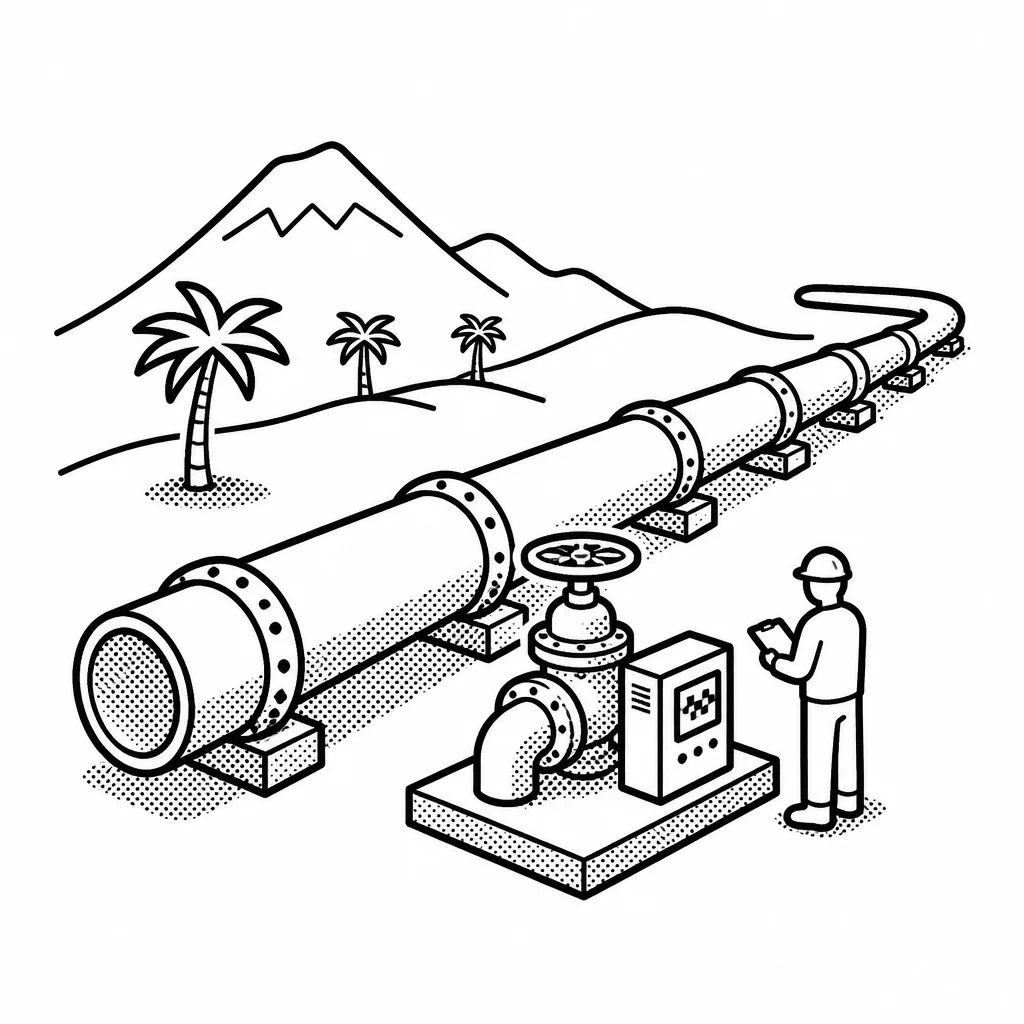
The business has two main parts. First, it transports gas — like a toll road operator, except instead of cars, it moves gas through pipes and charges for the trip. Second, it buys gas and sells it to customers, so it is also the shop at the end of the road. PGN owns and operates thousands of kilometers of transmission and distribution pipelines, mostly on Java and Sumatra. That pipeline network is the real moat: building new pipes takes years and huge amounts of capital, so once PGN is in a region, competitors have a hard time following. In 2018, the Indonesian government made a big move by handing PGN the role of holding company for the state's gas business, folding in the upstream gas assets previously held by Pertamina. That reshaped PGN from a pure pipeline and sales company into a bigger gas group spanning production, transmission, and distribution. A new state holding company, Danantara, later took over oversight of state-owned enterprises including PGN, which matters because government policy shapes everything from gas prices to who gets supply.
The tricky part is that PGN lives in a political economy. The government wants cheap gas for industry and power, so PGN often has to sell at prices set with policy in mind rather than pure profit. It buys gas from producers and sells it onward, which means its margin depends on a price gap it does not fully control. When domestic gas is cheap but demand is high, or when producers want export prices, PGN gets squeezed. It also faces competition in some regions from private gas distributors and from alternative fuels like coal and diesel, though pipelines remain the cheapest way to move large volumes of gas.
Saved answer · last researched 12 Nov 2026