Understand any stock in simple English
Enter a ticker to learn what the company does and how it makes money.
Petróleo Brasileiro S.A. - Petrobras
Petrobras finds, pumps, refines, and sells oil and gas, mostly from deep under the sea off Brazil's coast.
Petrobras is Brazil's oil giant. It pulls oil and gas out of the ground — much of it from deep beneath the Atlantic Ocean — turns that crude into fuels like gasoline and diesel, and sells the results in Brazil and abroad. If you fill up at a Brazilian gas station or fly on Brazilian jet fuel, there's a good chance Petrobras had a hand in it.
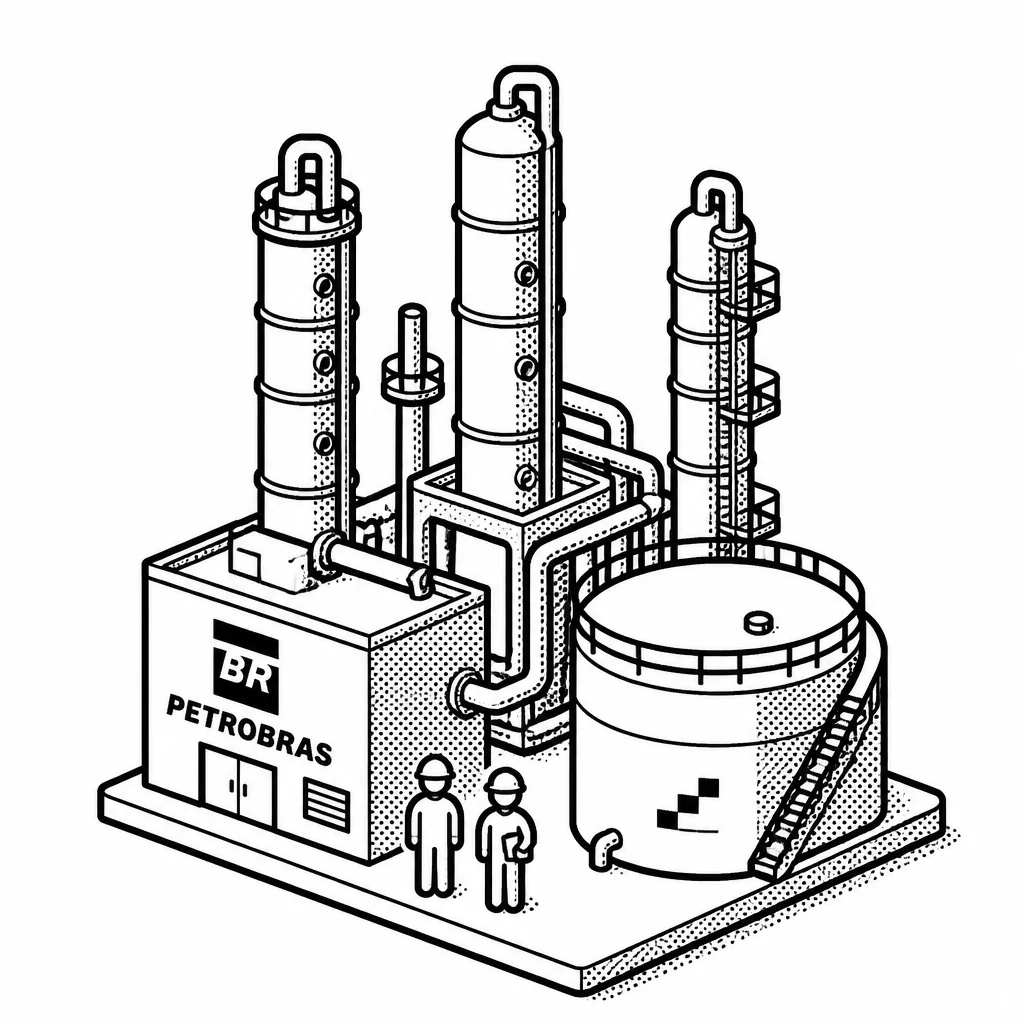
The company's crown jewels are its offshore fields, especially the "pre-salt" reserves buried under a thick layer of salt far below the ocean floor. Getting that oil out is expensive and technically hard, but the wells are enormously productive, which is why Petrobras is one of the biggest oil producers in the world. It also runs a large refining network and a fuel distribution business, so it captures money at several points along the chain: pumping the oil, processing it, and selling the final product. Oil is a swingy business, and Petrobras rides that rollercoaster. When crude prices are high, the company gushes cash; when they fall, profits shrink fast. It carries a heavy debt load and spends heavily just to keep its aging fields producing and to develop new ones. The Brazilian government is its controlling shareholder, which means politics and company strategy are often tangled together — decisions about fuel prices, for instance, have historically been a political hot potato.
What makes Petrobras interesting is that tension. It's a genuinely world-class oil producer sitting inside a state-influenced structure, and investors get both the upside of giant reserves and the wildcard of government involvement. It pays out large dividends when times are good, and its shares swing hard on oil prices and political headlines. Few companies offer such a direct, and such a dramatic, bet on oil — and on Brazil.
Saved answer · last researched 12 Nov 2026