Understand any stock in simple English
Enter a ticker to learn what the company does and how it makes money.
Penguin Solutions, Inc.
Penguin Solutions designs, builds, and manages AI data centers and memory products for enterprises and neocloud providers.
Penguin Solutions is a company that builds and runs the heavy machinery behind artificial intelligence. When a business decides it needs serious computing power—the kind that trains AI models or handles enormous amounts of data—Penguin designs the data centers, assembles the hardware, and often manages the whole system so the customer doesn't have to. Its customers are mostly enterprises and a newer breed of cloud providers called neoclouds, which rent out AI computing power the way traditional clouds rent out ordinary servers.
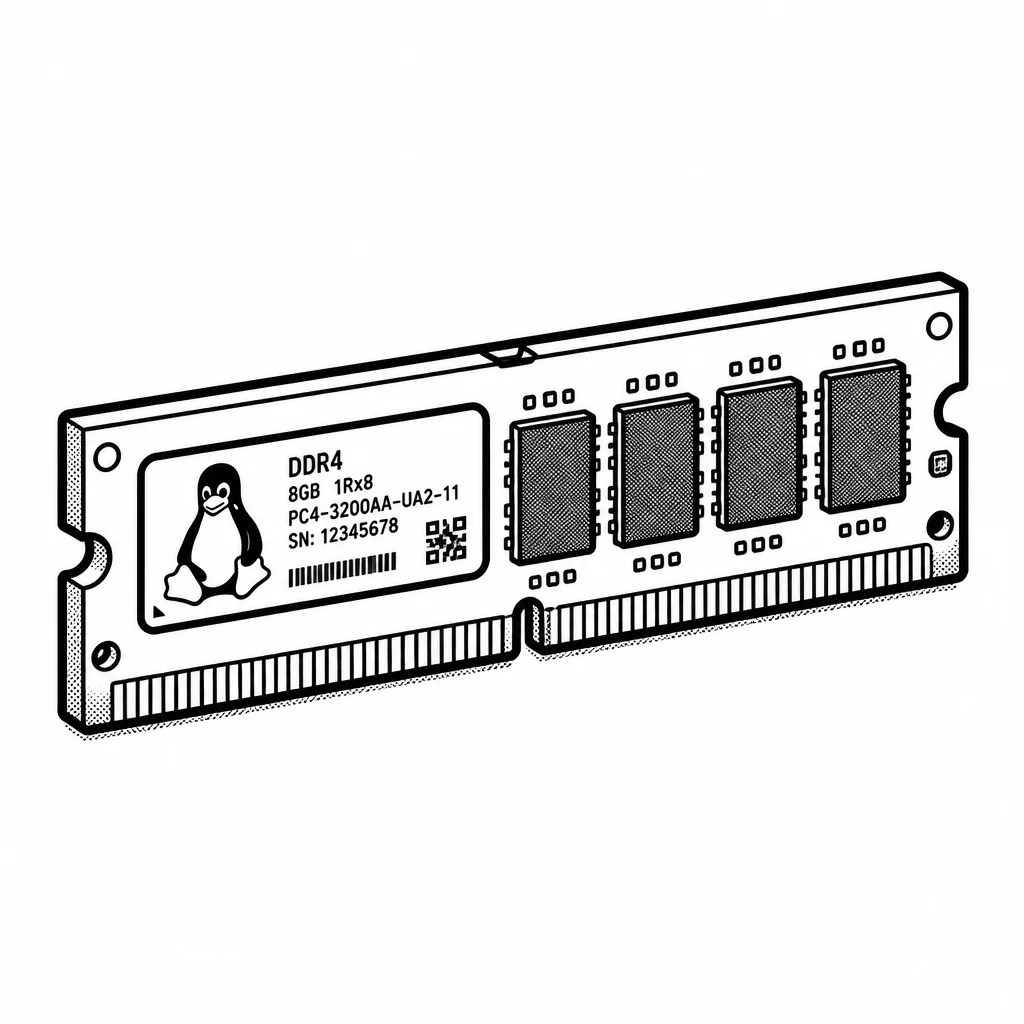
The company has two main sides. One is its AI infrastructure business, which is where most of the growth and excitement sits: it integrates servers, networking, and storage into working AI clusters, and increasingly sells software to manage them. The other is its legacy memory business, which makes specialized memory modules—the components that feed data to processors—for demanding applications. That memory business is steadier and lower-growth, a reliable cash generator while the AI side scales. The story here is a reinvention. The company spent years as SMART Global Holdings, a sprawling collection of electronics businesses, before selling off pieces and rebranding as Penguin Solutions in late 2024 to bet squarely on AI infrastructure. That pivot matters because AI data centers are booming, but the business is also brutally competitive—it competes against giant server makers and the in-house teams of the very cloud companies it serves. Its edge is specialization: it will design and manage a bespoke AI cluster for a customer who doesn't want to build one from scratch.
One thing worth knowing is that Penguin's fortunes are tied to a small number of large customers, which cuts both ways—big orders can lift results fast, but losing one hurts. The company also carries debt from its past acquisitions, and its memory segment is cyclical, swinging with chip prices. Still, it sits in a genuinely hot spot: someone has to turn racks of chips into working AI factories, and Penguin is one of the companies selling that done-for-you service.
Saved answer · last researched 16 Nov 2026
BIG PICTURE
AI now brings in 78 cents of every sales dollar at Penguin Solutions
- 78% AI-driven businesses
- 22% All other businesses
In its latest quarter, AI-driven businesses made up 78% of net sales at Penguin Solutions. That covers non-hyperscale AI infrastructure, meaning AI systems built for companies and cloud providers rather than the biggest tech giants, plus integrated memory. The memory unit alone pulled in a record 341 million dollars as AI workloads keep demanding more server memory. Source: Tradingkey via Mitrade (Q4 FY2026 earnings call summary), data from 2026
Timeline
A Memory Specialist Is Born
Penguin Solutions started life in 1988 as a small company focused on memory, the chips that hold data in computers. Over the years it built deep know-how in memory and advanced computing, the kind of quiet expertise that would matter a lot later.
The Company Goes Public
By 2017 the company was ready for the public markets. It listed under the name SMART Global Holdings, though its real roots went back to that memory business from the late eighties.
Buying Penguin Computing
Then came a big turn. In 2018 the company bought Penguin Computing, a pioneer in building Linux-based supercomputing clusters, the connected groups of machines that handle huge computing jobs. Penguin had commercialized a design NASA created called Beowulf, and the deal pushed the company away from memory and toward high-performance computing infrastructure.
Adding Stratus Technologies
A few years later the company bought Stratus Technologies, a specialist in fault-tolerant computing, which means systems built to keep running even when a part fails. That added high-availability platforms for data centers, edge locations, and AI inference, the step where a trained AI model answers real requests.
A New Name: Penguin Solutions
In late 2024 the company renamed itself Penguin Solutions. The change was more than cosmetic: it marked the shift from a holding company that owned separate businesses into a single end-to-end provider of AI infrastructure.
SK Telecom Invests
That same year, SK Telecom put a large strategic investment into the company. It became the basis for an agreement with SK Telecom and SK hynix to develop next-generation AI data center solutions, tying the company to major players in the AI world.
Moving Home to Delaware
In mid-2025 the company completed a redomiciliation, moving its legal home from the Cayman Islands to Delaware. Penguin Solutions, Inc. became the publicly traded parent company, a cleaner structure for a growing American tech business.
A New CEO Takes Over
In early 2026 Mark Adams retired as President and CEO, and Kash Shaikh took the job. The board gave Adams credit for uniting independent businesses under one brand and setting the company up for AI infrastructure.
The AI Factory Push Pays Off
Under its new strategy, the company launched an AI Factory platform, and the numbers followed. Fiscal 2026 revenue rose about 26% to roughly $1.73 billion, with AI-driven businesses making up most of sales and growing fast. It even won deals to deploy and operate a massive 36,000-GPU AI factory in Norway.
A Wild Stock Ride
The stock soared from a 52-week low to nearly $90, then fell about half in three weeks. The trigger was the announced sale of the Cree LED business, a chunk of future sales. Amid the crash, SK hynix disclosed a 9.1% stake, a sign of confidence when investors were running.