Understand any stock in simple English
Enter a ticker to learn what the company does and how it makes money.
Public Service Enterprise Group Incorporated
PSEG is a New Jersey utility that sells electricity and gas to homes and businesses and also runs one of America's largest nuclear power fleets.
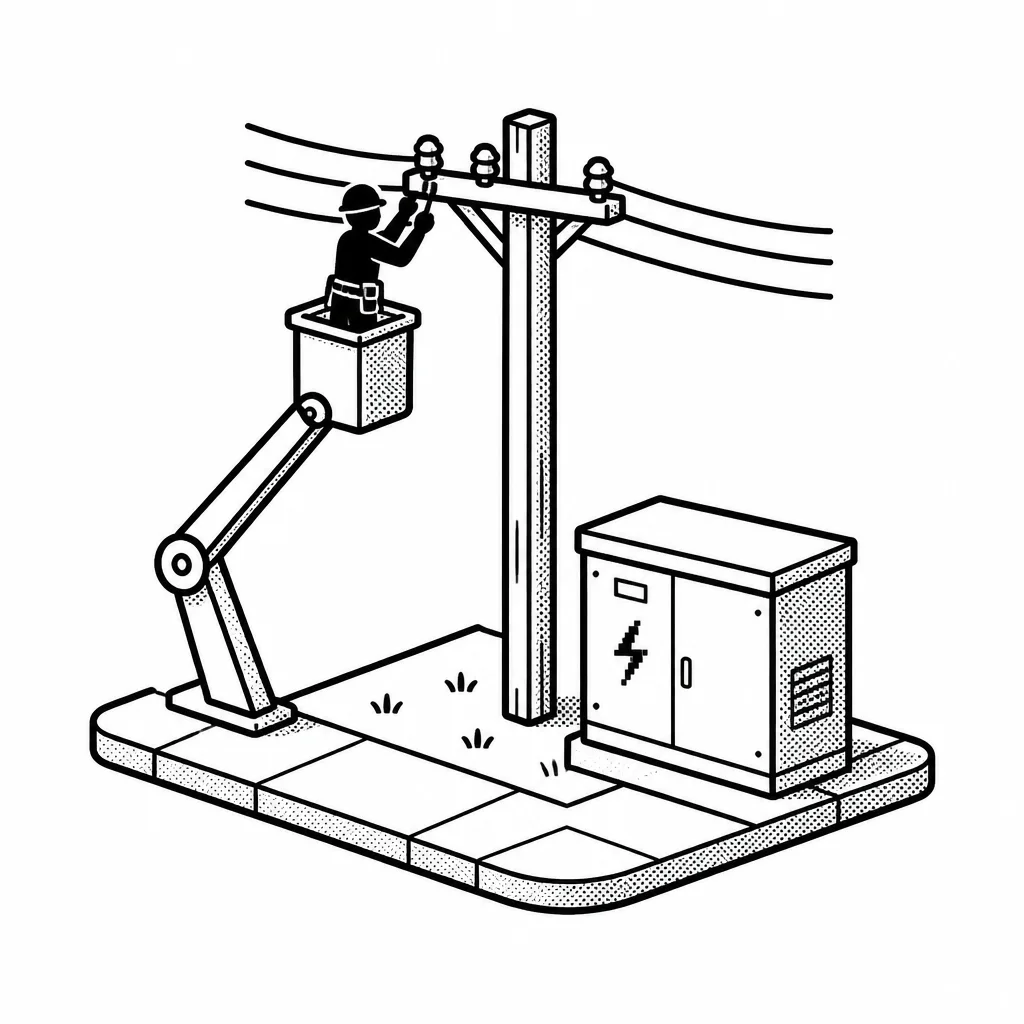
PSEG is a New Jersey company that keeps the lights on and the heat running for millions of people. Its main business, PSE&G, is a regulated utility that delivers electricity and natural gas to homes, apartments, stores, and factories across the state. Most customers don't choose PSE&G — it's simply the local wires-and-pipes company for their area, and state regulators set the prices it can charge.
The other half of the business is power generation, and this is where PSEG gets interesting. Its fleet of nuclear plants — including the big Salem and Hope Creek stations in southern New Jersey — cranks out huge amounts of carbon-free electricity around the clock. PSEG sells that power into wholesale markets rather than to you directly. Nuclear plants are expensive to build but cheap to run, so once they're humming they can produce enormous volumes of electricity with very few workers and no fuel cost spikes like a gas plant faces. Here's the tension at the heart of the company: the utility side is steady and predictable, earning a regulated return as it spends money on poles, wires, pipes, and clean-energy upgrades. The nuclear side is a commodity business — profitable when power prices are high, squeezed when they're low. PSEG has spent years deciding how much of each to keep. In 2022 it sold its fossil-fuel and solar generation business to a private investor group, narrowing the company down to the regulated utility plus nuclear power. That bet simplified the story but also tied the company's fortunes more tightly to power prices and to government policy that favors nuclear energy as a clean power source.
The utility is the money machine that funds everything else. PSE&G keeps investing in its network — replacing aging gas pipes, hardening the grid against storms, and hooking up more clean energy — and regulators let it earn a set return on that spending, which is why utilities like this are often compared to a toll road. The catch is that big construction projects can run over budget or get held up by regulators, and a serious storm can mean costly repairs and unhappy customers. New Jersey's aggressive clean-energy goals, including offshore wind, are a wildcard: they could create years of profitable work for PSE&G, or they could stumble and leave the company navigating shifting politics. For shareholders, PSEG is a dividend payer that trades steady utility cash flow for exposure to volatile power markets — a blend that makes it a different animal from a pure regulated utility or a pure power producer.
Saved answer · last researched 12 Nov 2026