Understand any stock in simple English
Enter a ticker to learn what the company does and how it makes money.
PACS Group, Inc.
PACS Group runs skilled nursing and assisted living facilities that provide post-acute care to seniors across the United States.
PACS Group is a nursing-home company. It owns and operates skilled nursing and assisted living facilities, the places where older people go after a hospital stay to recover, or move into when they can no longer safely live at home. The typical resident needs round-the-clock help with things like medication, physical therapy, and daily living, and the care is paid for largely by Medicare and Medicaid, with some private-pay residents mixed in.
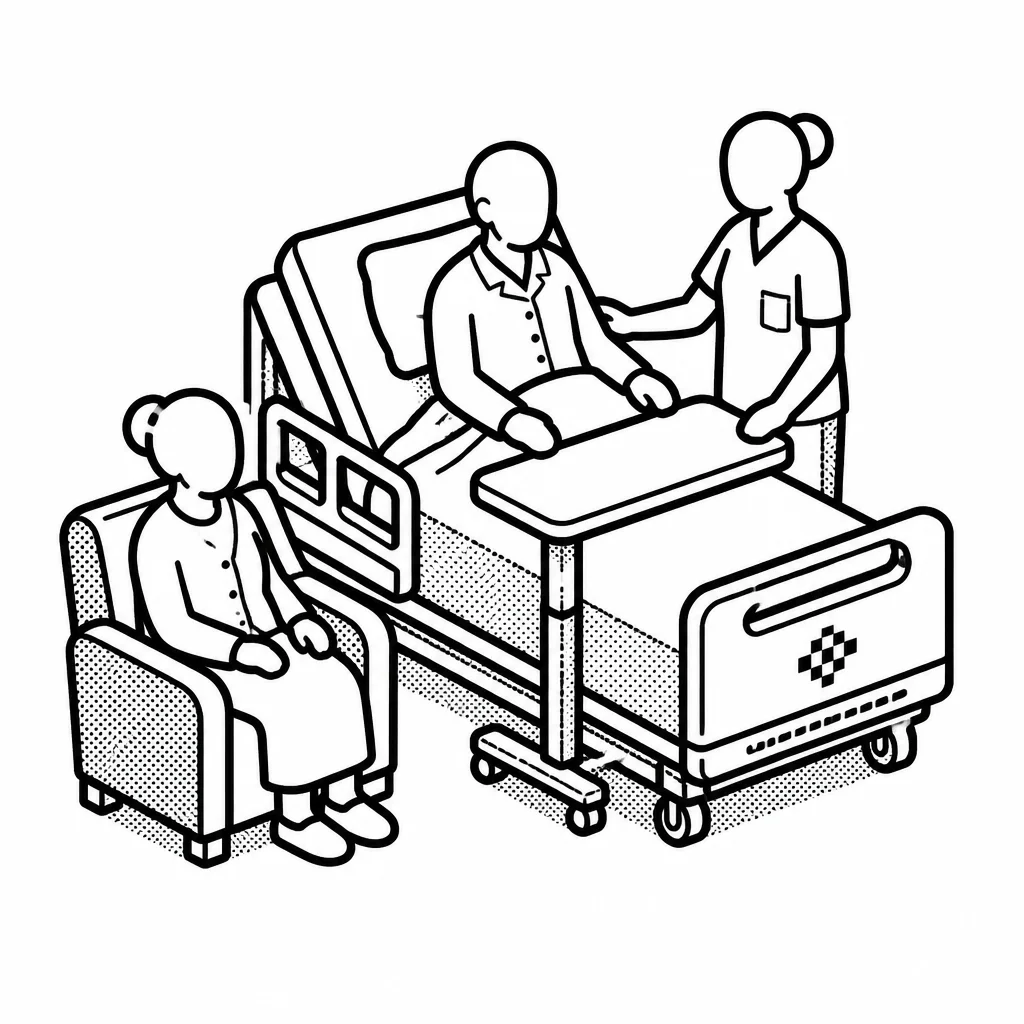
Here is the money machine, in plain terms. Medicare pays for a short rehab stay after, say, a hip replacement or a stroke. Medicaid pays for longer-term custodial care for people with limited savings. PACS makes money by filling beds, keeping them full, and running each building efficiently enough that the government reimbursement per patient exceeds the cost of staffing, food, and operations. The gap between those two numbers is the business. When occupancy is high and labor costs are controlled, margins are decent; when either slips, they evaporate fast. What makes PACS different from a typical nursing-home operator is its playbook: it acquires underperforming facilities, often from families or small owners, and installs its own management systems and operating discipline. It began in 2013 with a single facility in Texas and grew aggressively, going public on the New York Stock Exchange in 2024. Its owned real estate is largely separated from its operating business, a common structure in the industry that lets it collect rent from itself while running the care side.
The vulnerability is real and worth stating plainly. Nursing homes live on government money, so changes to Medicare or Medicaid rates hit directly. Labor is scarce and expensive, and staffing mandates can raise costs. The company has also faced scrutiny over its rapid growth and related-party arrangements, and its stock has swung sharply since going public. It is a bet on operational execution in a tough, regulated, low-margin corner of healthcare.
Saved answer · last researched 16 Nov 2026