Understand any stock in simple English
Enter a ticker to learn what the company does and how it makes money.
Oxford Industries, Inc.
Oxford Industries designs and sells clothing brands like Tommy Bahama and Lilly Pulitzer, mostly through its own stores, websites, and some wholesale partners.
Oxford Industries is a clothing company that owns a handful of apparel brands and sells them to people who want to dress a certain way — relaxed island casual, bright preppy prints, or polished everyday wear. Its two biggest brands are Tommy Bahama, which sells laid-back resort-style clothing and also runs restaurants and bars, and Lilly Pulitzer, known for colorful, cheerful prints aimed largely at women. It also owns smaller labels like Southern Tide and Johnny Was. So this is not one store or one style — it is a portfolio of brands, each with its own look and its own customers.
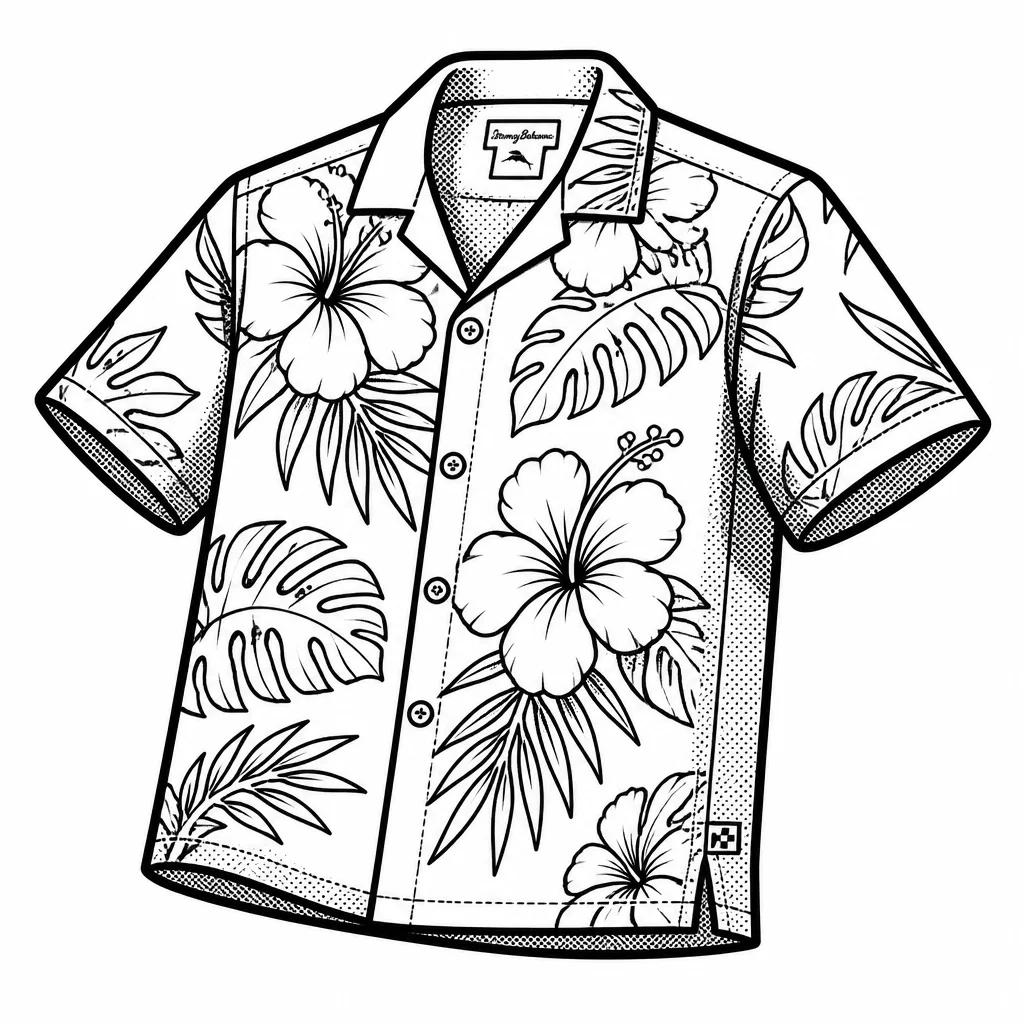
Here is how the money works. Most of Oxford's sales come from selling directly to consumers through its own stores and websites, where it keeps the full retail price and controls how the brand is presented. The rest comes from selling to other retailers, like department stores and specialty shops, which buy the clothes at wholesale prices and resell them. The direct-to-consumer side matters a lot because it is more profitable per item and gives the company a direct relationship with shoppers — it can see what sells, run loyalty programs, and mark down its own inventory on its own terms. Tommy Bahama's restaurants are a small but clever piece: they put customers inside the brand, eating and drinking in the same relaxed world the clothes are selling. The business is seasonal and fashion-dependent, which makes it riskier than it sounds. Warm-weather clothing dominates, so a cold spring or a washed-out summer hurts sales, and a fashion miss leaves unsold inventory that has to be discounted. Apparel is a crowded, fickle market — Oxford competes with everyone from big chains to tiny boutiques to online-only brands. Its edge is brand strength rather than size: Tommy Bahama and Lilly Pulitzer have loyal, fairly affluent customers who pay full price, which keeps margins healthier than a generic clothing seller's.
Oxford is a disciplined, shareholder-friendly operator. It has paid a dividend for many years and buys back shares, and it has used acquisitions to add brands rather than betting everything on one label. The trade-off is that growth depends on getting more out of a small number of brands and finding the right new ones, so a stumble at Tommy Bahama or Lilly Pulitzer moves the whole company.
Saved answer · last researched 15 Nov 2026