Understand any stock in simple English
Enter a ticker to learn what the company does and how it makes money.
Otter Tail Corporation
Otter Tail runs an electric utility and also makes metal parts and PVC pipes for customers across the U.S.
Otter Tail is really two kinds of business stitched together. The biggest piece is an electric utility that generates, transmits, and sells power to homes, farms, and businesses in Minnesota, North Dakota, and South Dakota. The other piece is a group of manufacturing companies that make metal components and PVC pipes, sold to commercial, residential, and industrial customers around the country.
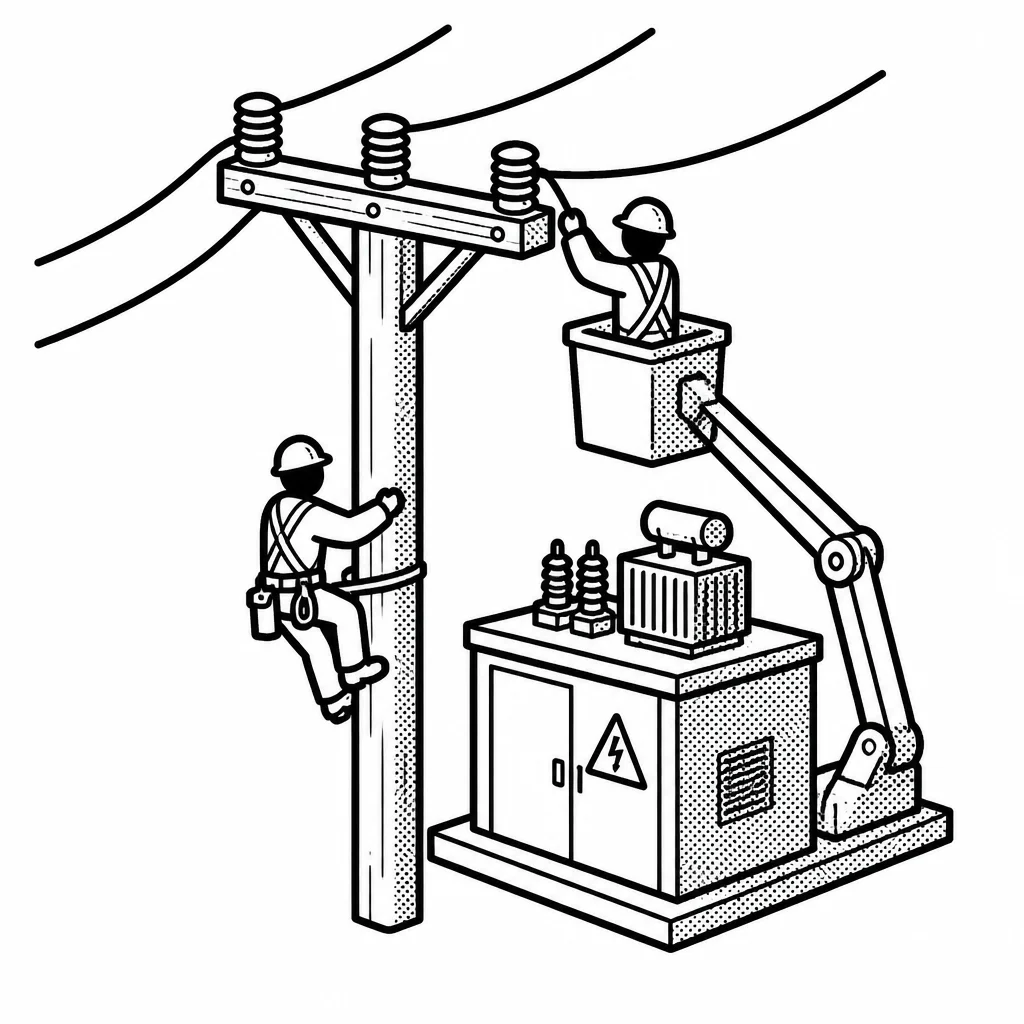
The utility side is the classic regulated model: it owns power plants, poles, and wires, and state regulators set the prices it can charge. That makes the earnings steady and predictable, and it gives the company a reason to keep spending on its grid — new lines, upgrades, and more capacity — because regulators allow it to earn a return on that spending. It serves a mostly rural, spread-out territory, which means lots of wire per customer but also little competition. The manufacturing side is more cyclical. One business makes metal parts and components for things like vehicles, appliances, and industrial equipment, and another makes PVC pipe for water, sewer, and irrigation projects. These units rise and fall with construction, agriculture, and factory demand, which is why the company leans on the utility for stability and the manufacturers for growth when times are good.
Otter Tail has paid dividends for a very long time and has been raising the payout, using its steady utility cash to fund grid investment while the manufacturing arms add extra profit. The main risk is simple: the manufacturers are exposed to swings in the economy, and the utility needs regulators to keep approving rate increases and investment plans. The main strength is a boring, reliable power business sitting underneath a group of solid industrial companies.
Saved answer · last researched 16 Nov 2026