Understand any stock in simple English
Enter a ticker to learn what the company does and how it makes money.
Orica Limited
Orica makes and sells the explosives and chemicals that mining companies use to break rock and process ore.
Orica is the world's biggest supplier of commercial explosives, the stuff mining companies use to blast rock out of the ground. When a copper mine or an iron ore mine needs to move a mountain, it drills holes, fills them with explosive, and sets it off. Orica sells that explosive, the detonators and blasting systems that set it off at exactly the right moment, and the technical know-how to make each blast work. It also runs a chemicals business that supplies things like cyanide for gold processing and other industrial chemicals.
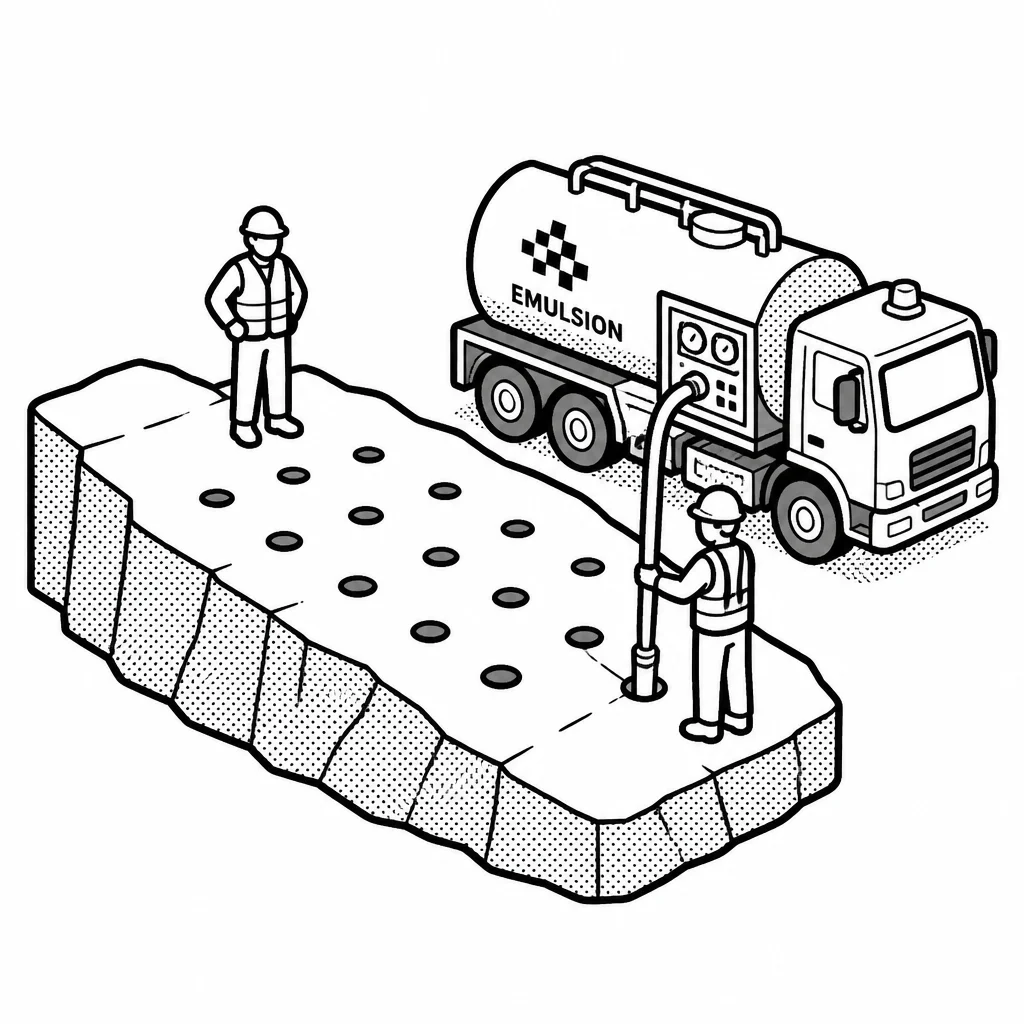
The important thing to understand is that Orica doesn't just sell boxes of dynamite. A big part of its business is the service that comes with it: its engineers help mines design blasts that break the right amount of rock with the least waste, then supply the systems that fire the charges safely and on schedule. Mines stick with Orica because a bad blast is expensive and dangerous, and because switching suppliers means retraining people and rethinking how the whole operation runs. That makes the business sticky. Explosives are tricky to ship and store, so being close to the customer matters. Orica has spent decades building plants and distribution networks near the world's big mining regions, from Australia's Pilbara to Chile and Canada. Its main rivals are other global explosives players, and it also competes with the in-house teams some large mines run themselves. The business rises and falls with mining activity, so when commodity prices are high and mines are digging more rock, Orica sells more explosive.
The company is based in Melbourne, Australia, and traces its roots back to the 1870s, when it was set up to make explosives for gold mining. One notable stretch came after it bought an explosives rival and had to sell off parts of its business to satisfy competition regulators, which reshaped its footprint. More recently it has been investing in digital blasting technology, where sensors and software fine-tune each blast, and it has been putting money into lower-carbon explosive ingredients as mines come under pressure to cut emissions. It pays out a good chunk of its profit to shareholders as dividends.
Saved answer · last researched 12 Nov 2026