Understand any stock in simple English
Enter a ticker to learn what the company does and how it makes money.
Orbia Advance Corporation, S.A.B. de C.V.
Orbia makes and sells the basic plastic pipes, chemicals, and materials that go into buildings, farms, and factories.
Orbia is a big Mexican industrial company that makes many of the unglamorous things modern life quietly depends on. It sells plastic pipes and irrigation systems, fluorine chemicals, cables, and plastic resins. Its customers are mostly businesses: construction firms, farmers, factories, and infrastructure builders. If you have ever seen a network of plastic water pipes running under a street or across a farm, you have seen the kind of thing Orbia makes by the mile.
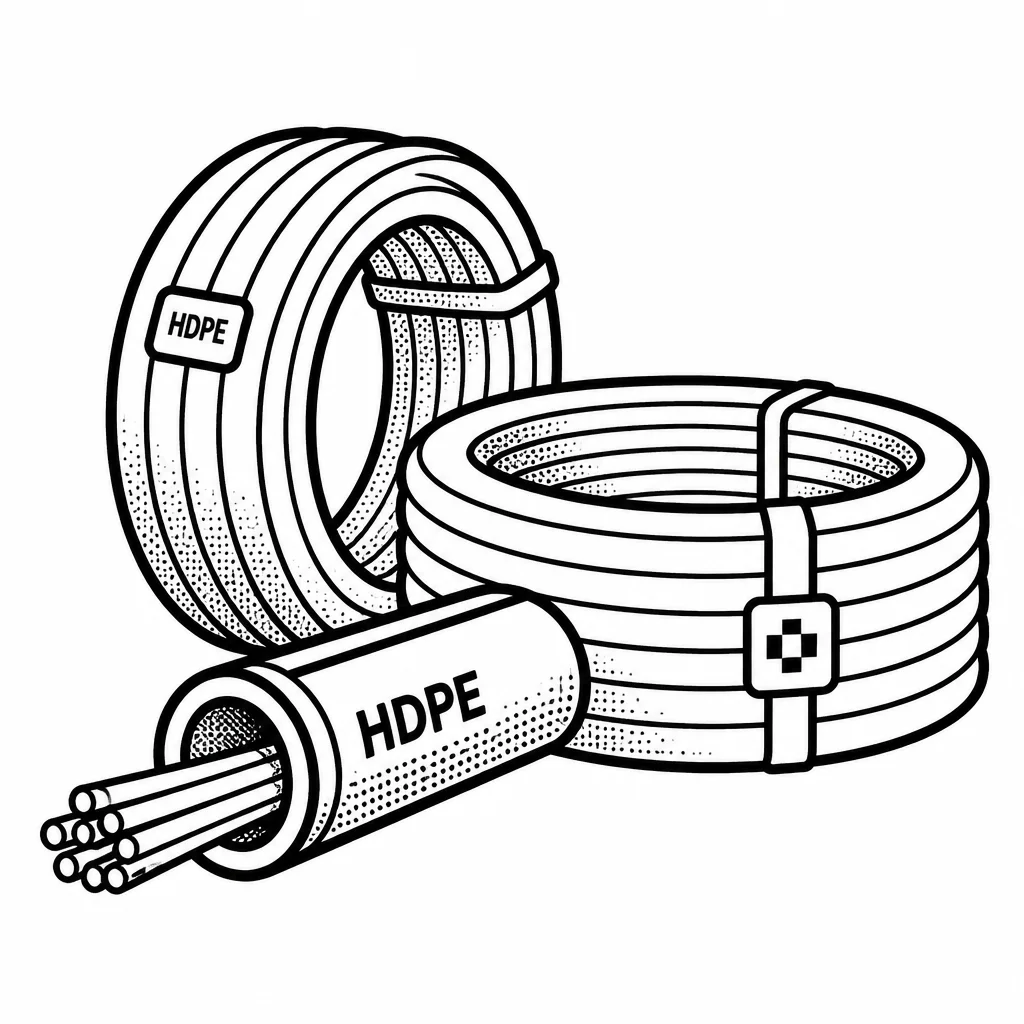
The company used to be called Mexichem, and it rebranded to Orbia in 2019. The name change was meant to signal that it was more than a chemicals business. Today Orbia runs several separate businesses under one roof, each focused on a different corner of the industrial world: one makes pipes and fittings for water and gas, one makes irrigation systems for farming, one makes fluorine-based chemicals used in refrigerants and other products, one makes cables and wiring, and one makes plastic resins. The company is headquartered in Mexico City and listed on the Mexican stock exchange. The pipes business is the one most people would recognize if they saw it. Plastic pipe is cheap, light, and doesn't rust like metal, which is why it has taken over so much of the world's water and gas plumbing. Orbia sells into construction and infrastructure projects, which means its fortunes rise and fall with building activity. Its irrigation arm sells to farmers who want to grow more food with less water. The fluorine business is more specialized: it makes chemicals used in refrigeration and other industrial processes, and that business comes with real regulatory attention because some of those chemicals are being phased out around the world for environmental reasons. That is both a risk and an opportunity, since the rules push customers toward newer, cleaner products. What ties it all together is the idea that Orbia sells into long, boring trends: more people need clean water, more farms need to be efficient, more buildings need wiring, and more industries need specialty chemicals. Those are slow, steady markets rather than flashy ones. The company also keeps a meaningful chunk of its business outside Mexico, with operations across Latin America, the United States, Europe, and beyond, which spreads its risk but also exposes it to currency swings and different economic cycles. Competitors tend to be large industrial and chemical players rather than a single rival, so Orbia's edge comes from scale, distribution, and being an established supplier in markets where reliability matters.
Orbia is a real, sizable industrial company, but it is not a household name, and that is fine by it. Its business is the kind you notice only when it breaks: a pipe that leaks, a farm that runs dry, a factory that can't get the chemical it needs. The question for investors is whether those steady, essential markets keep growing and whether Orbia can keep earning a decent return on the capital it pours into plants and factories, especially as environmental rules reshape parts of its chemical business.
Saved answer · last researched 12 Nov 2026