Understand any stock in simple English
Onfido Ltd
Onfido sells software that checks whether people are who they claim to be online, mostly for banks and fintech apps.
Onfido is an identity verification company. When you sign up for a new banking app or a crypto exchange and it asks you to take a selfie and snap a photo of your passport or driver's license, there's a decent chance Onfido's software is the thing deciding whether to let you in. It calls this "identity verification," but in plain terms it's a bouncer for the internet: it checks that the face in the selfie matches the face on the document, that the document is real and not Photoshopped or expired, and that you're not on a watchlist or a known fraudster.
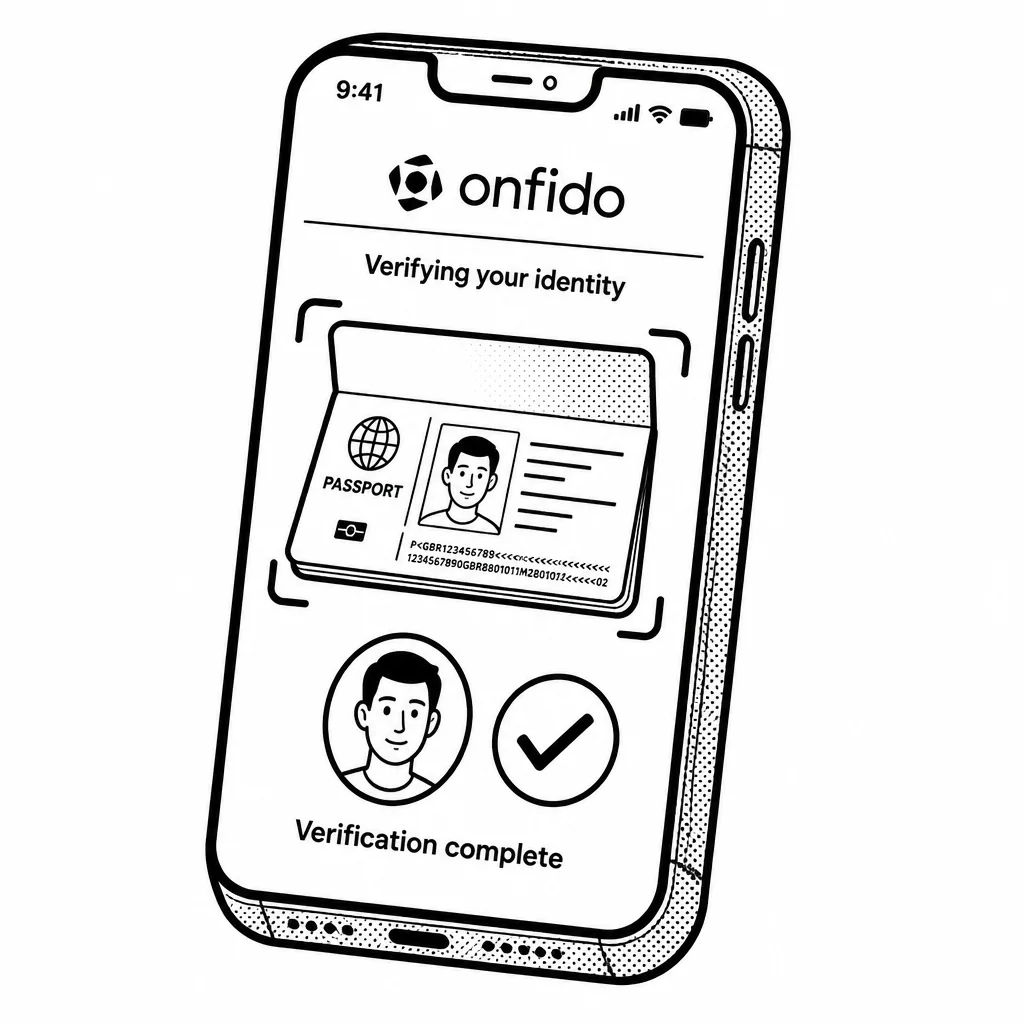
The business exists because of an old problem that got much worse online. Banks and fintechs are legally required to "know your customer" — to confirm that the person opening an account is really that person and not a scammer using a stolen identity. Doing that manually is slow, expensive, and error-prone. Onfido automates it with AI: its models read documents from around the world, catch tampering, and compare faces, then hand the customer a yes/no answer in seconds. Customers pay per check, and they choose Onfido because it can verify documents from many countries, it's fast enough not to scare users away, and it handles the messy regulatory burden for them. The company started in 2012 as Referencebox, a small London outfit doing background checks on people, before pivoting into digital identity verification — a much bigger and more urgent market as fintech exploded. It's headquartered in London and became one of Britain's better-known private tech companies, counting banks, crypto platforms, and payment firms among its users. Its main rivals are other identity-verification specialists and the big credit bureaus that have moved into the space. The uncomfortable truth about this business is that it lives in the crosshairs of fraud: every new deepfake tool or cheap fake-ID service is a threat to its accuracy, and a single high-profile miss can damage trust with the banks that pay it.
The big twist came in early 2024, when Entrust, a US security company, agreed to buy Onfido. That deal folded a scrappy London startup into a larger security business, giving Onfido a bigger sales machine and Entrust a modern identity-checking engine. The story here isn't glitz — it's a quiet, useful business that sits at the front door of the financial system, checking faces and documents so that the rest of us can open accounts from the sofa.
Saved answer · last researched 17 Nov 2026