Understand any stock in simple English
Enter a ticker to learn what the company does and how it makes money.
OEM International AB (publ)
OEM International is a Swedish wholesaler that buys industrial automation components and resells them to manufacturers, contractors, and distributors.
OEM International is a middleman in the industrial world, and a very deliberate one. It doesn't make the sensors, switches, motors, or drives it sells. Instead, it buys those small but essential parts from manufacturers and resells them to the companies that actually build machines, appliances, and automated systems.
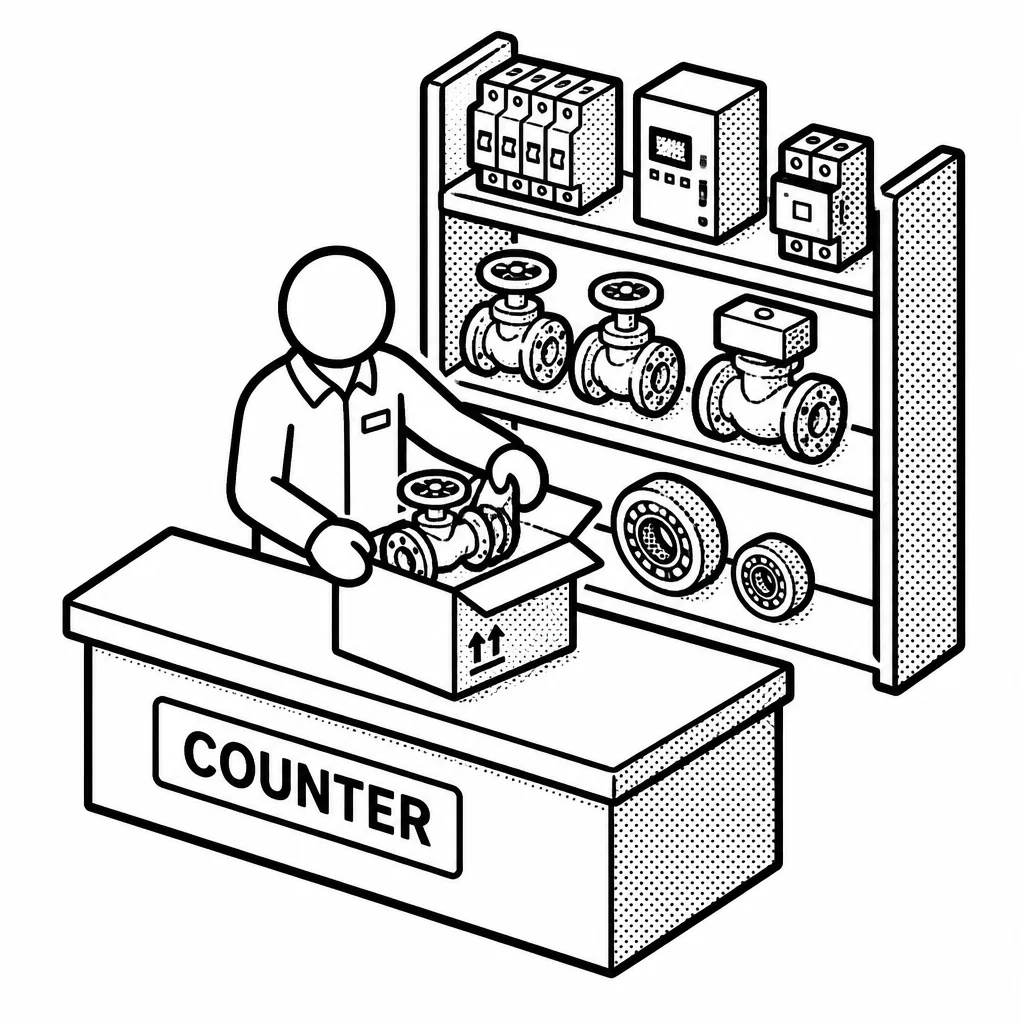
The customers are the people who need a reliable supplier of many different parts in one place. A machine builder might need a dozen different sensors and connectors from a dozen different makers. Buying each one directly would be a headache. OEM International stocks all of them and ships them fast, which is worth a lot when a production line is waiting. It serves machinery and appliance manufacturers, wholesalers, contractors, and distributors across a wide range of industries. The company runs its operations through a large network of small, locally run sales businesses — dozens of them across Europe and beyond, each focused on its own market and its own niche of products. That decentralised structure lets local teams understand their customers' needs closely while the parent company provides scale in buying and logistics. This is a quiet business with steady margins rather than explosive growth, which is exactly how it has grown for decades. It also pays reliable dividends and, over time, has bought back shares, though the exact percentage repurchased in recent years depends on the period you look at.
The biggest risk is that it is, ultimately, a distributor: it earns a spread on products it doesn't own the design of, in a business where digital ordering and direct-from-factory sales keep getting easier. Its defence is depth — thousands of SKUs, tight relationships, and quick delivery that customers would miss if they switched. It is the kind of company that never makes headlines, but quietly keeps factories running.
Saved answer · last researched 12 Nov 2026