Understand any stock in simple English
Enter a ticker to learn what the company does and how it makes money.
NVR, Inc.
NVR builds and sells homes and also earns fees from mortgage and title services for its homebuyers.
NVR is a homebuilder. It buys land, develops it into neighborhoods, and builds single-family houses, townhomes, and condos, mostly for ordinary households looking to buy a place to live. It also has a mortgage business and a title services business, which handle the financing and the legal paperwork that comes with buying a home. Those two extra pieces matter more than you might expect, because a lot of NVR's customers need exactly that.
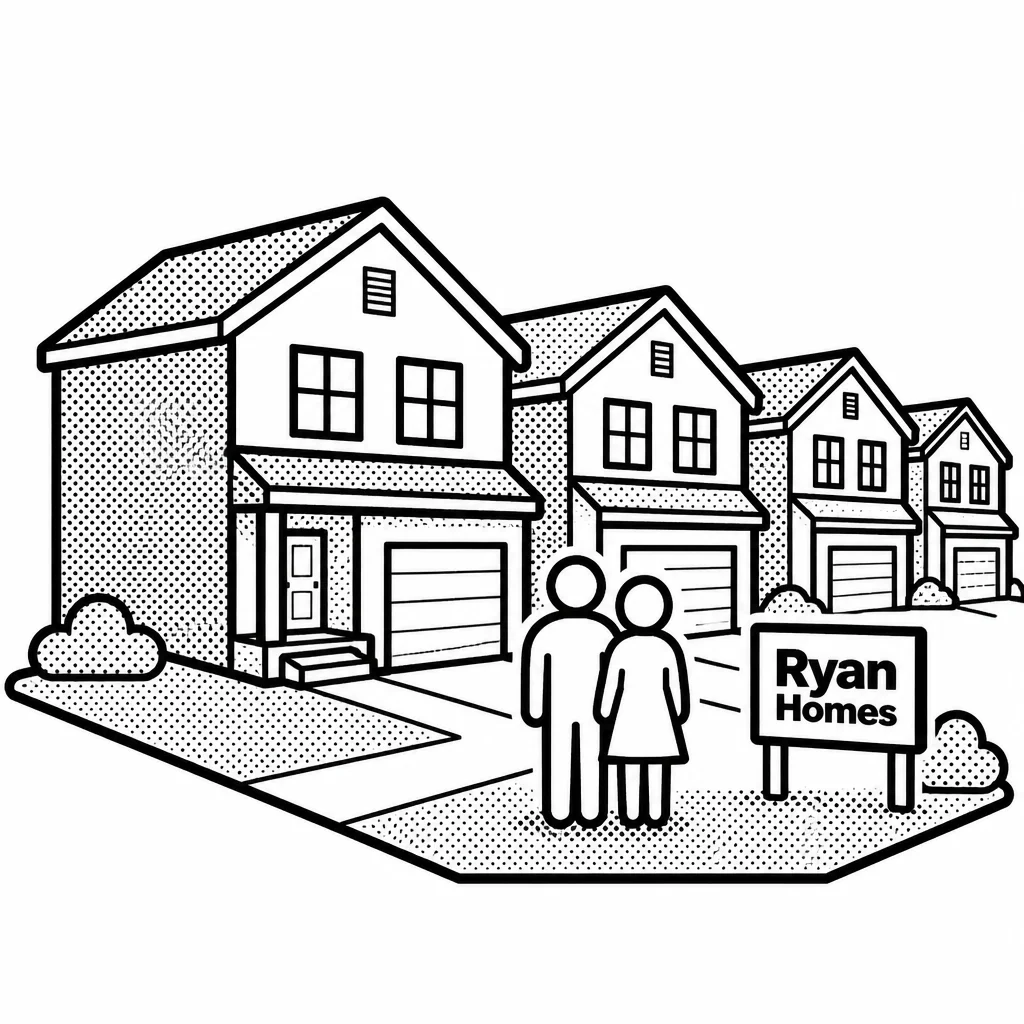
The unusual part is how NVR buys land. Most big builders load up on land years in advance, which is risky because land prices fall when the housing market cools. NVR takes the opposite route: it buys options to control land rather than owning it outright. It pays a small fee for the right to buy the land later, and the actual purchase only happens shortly before construction begins. If demand dries up, NVR can walk away and lose the option fee instead of being stuck with expensive dirt. Two of NVR's best-known brands are Ryan Homes, which builds for first-time and move-up buyers, and NVHomes, aimed at the higher end. Its mortgage arm, NVR Mortgage, offers loans to buyers, and because NVR sells them the home and the loan together, it can keep the whole process moving. The mortgage business brings in money two ways: fees on the loans it originates and the ongoing value of the loans it sells or holds.
NVR's other distinctive habit is shrinking its share count. It has bought back a large chunk of its own stock over the years, which means the remaining shares claim a bigger slice of the company's profits. It doesn't pay a regular dividend, and it doesn't chase splashy acquisitions. Instead it generates a lot of cash and funnels much of it into those buybacks, which has been a major reason the stock has done well over long stretches.
Saved answer · last researched 12 Nov 2026