Understand any stock in simple English
Enter a ticker to learn what the company does and how it makes money.
NTT DC REIT
NTT DC REIT owns data centers around the world and collects rent from the companies that fill them with servers.
NTT DC REIT is a landlord for the internet. It owns buildings packed with servers and networking gear — data centers — and rents space inside them to the kinds of companies that need serious computing power: the hyperscalers that run giant cloud platforms, and colocation providers that carve up space and resell it to smaller businesses. The buildings are "carrier-neutral," meaning customers can connect to whichever telecom networks they like rather than being locked into one. Tenants sign leases, often long ones, and the trust collects rent.
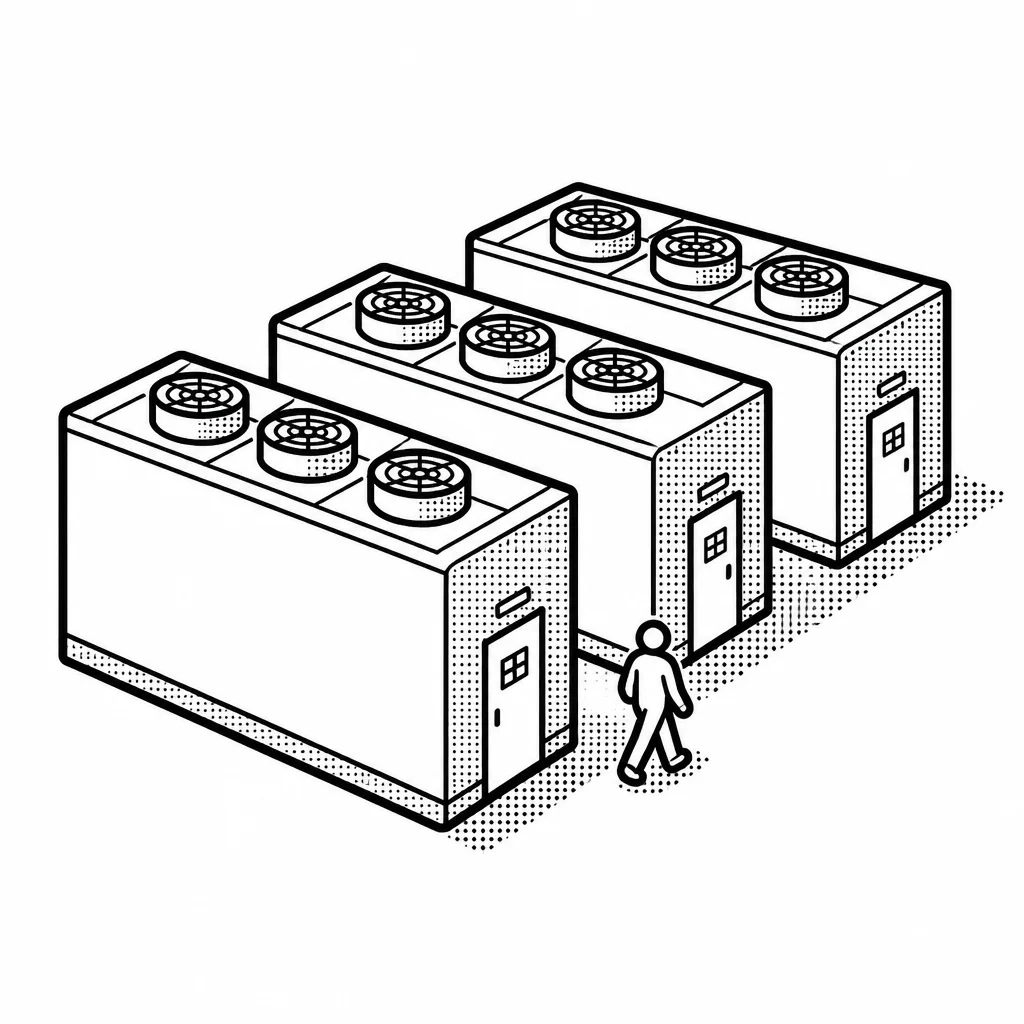
The appeal for customers is simple: building and running a data center is expensive, slow, and fiddly, and demand for computing keeps climbing thanks to cloud services and artificial intelligence. Renting ready-made space lets them expand faster than they could on their own. For investors, the trust offers a slice of that data center income, plus the chance to grow by buying more properties. It listed on the Singapore Exchange in 2025 after being spun out of Japan's NTT group, which still holds a big stake and feeds it a pipeline of assets to acquire. The economics of a REIT are straightforward. Rent comes in, operating costs go out, and what's left gets distributed to unitholders, who buy in for the steady payout and the growth that comes from adding buildings. The risk sits with the tenants: a handful of very large customers fill most of the space, so losing one or a big tenant moving out would hurt. Power is another constraint — data centers eat enormous amounts of electricity, and securing enough of it is often the real bottleneck to growth.
The bigger picture is that data centers have become one of the most sought-after pieces of real estate in the world, and this trust is a way to own a piece of that without buying a server yourself.
Saved answer · last researched 12 Nov 2026