Understand any stock in simple English
Enter a ticker to learn what the company does and how it makes money.
Novo Nordisk A/S
Novo Nordisk makes and sells medicines for diabetes, obesity, and rare diseases.
Novo Nordisk is a pharmaceutical company that makes medicines for people with diabetes, people living with obesity, and people with certain rare diseases. It sells these treatments to healthcare systems, doctors, and patients around the world.
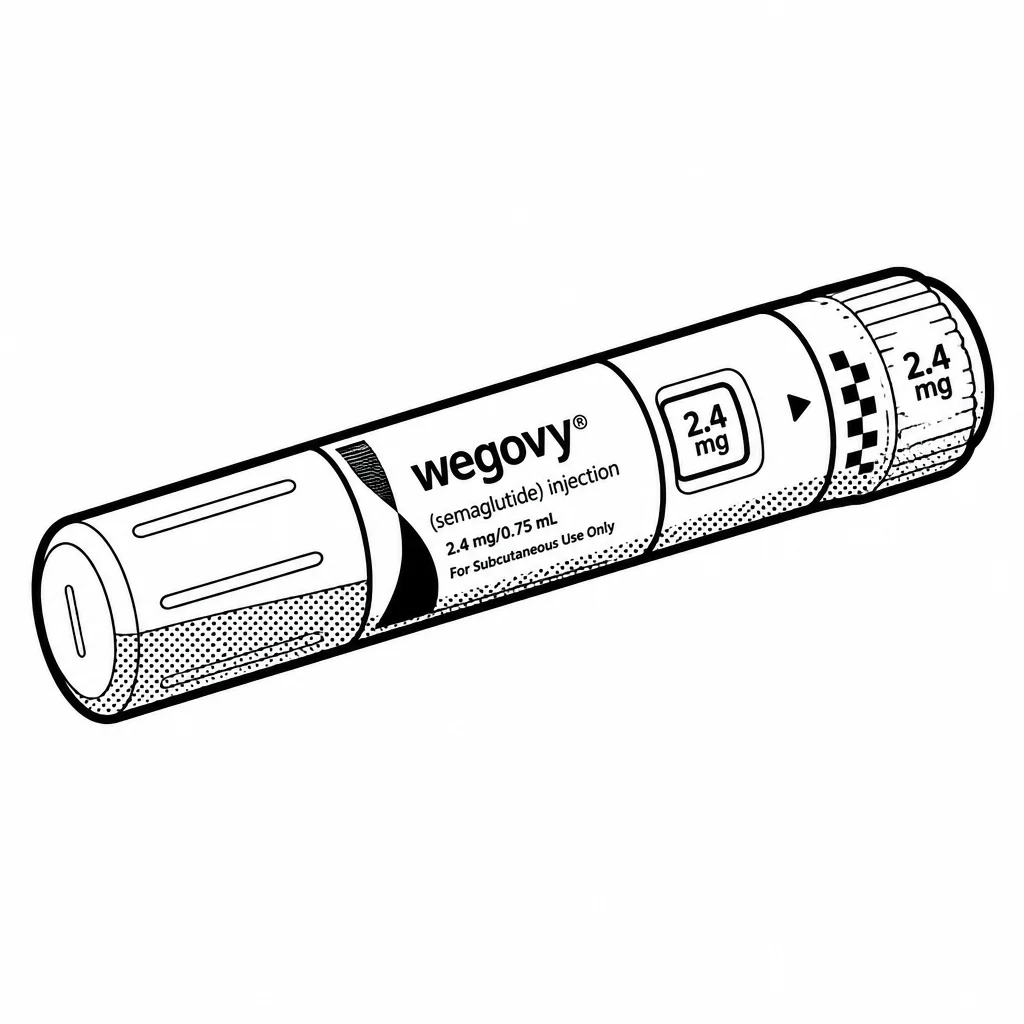
Its most famous product is insulin, the hormone that people with diabetes need because their bodies can't regulate blood sugar properly. Novo Nordisk has been making insulin for about a century, and it remains one of the world's biggest suppliers. More recently, the company became known for a different kind of drug: GLP-1 medicines, which mimic a gut hormone that makes people feel full and eat less. Those drugs, sold as Ozempic for diabetes and Wegovy for weight loss, turned Novo Nordisk into one of the most valuable companies in Europe almost overnight. The business works because these are chronic treatments. A person with diabetes or obesity typically takes the medicine for years, not weeks, so each new patient becomes a long stream of recurring revenue. That steadiness, plus the fact that making these complex biologic drugs is hard, gives Novo Nordisk a durable edge over would-be competitors. The main rival in this space is Eli Lilly, which sells its own GLP-1 drugs and is racing Novo Nordisk for dominance in the obesity market.
The money question is whether the obesity boom keeps growing. Demand for Wegovy and Ozempic has repeatedly outstripped supply, forcing Novo Nordisk to spend heavily on new factories to make more of the drug's key ingredient. The company also pays a steady dividend and buys back its own shares, returning cash to investors. The risks are real: drug pricing pressure, supply constraints, and the chance that competition or cheaper copycat versions erode its lead. But for now, Novo Nordisk sits at the center of one of the biggest shifts in medicine in decades.
Saved answer · last researched 12 Nov 2026