Understand any stock in simple English
Enter a ticker to learn what the company does and how it makes money.
National Health Investors, Inc.
National Health Investors owns senior housing and medical facilities and earns rent and interest by leasing them to healthcare operators.
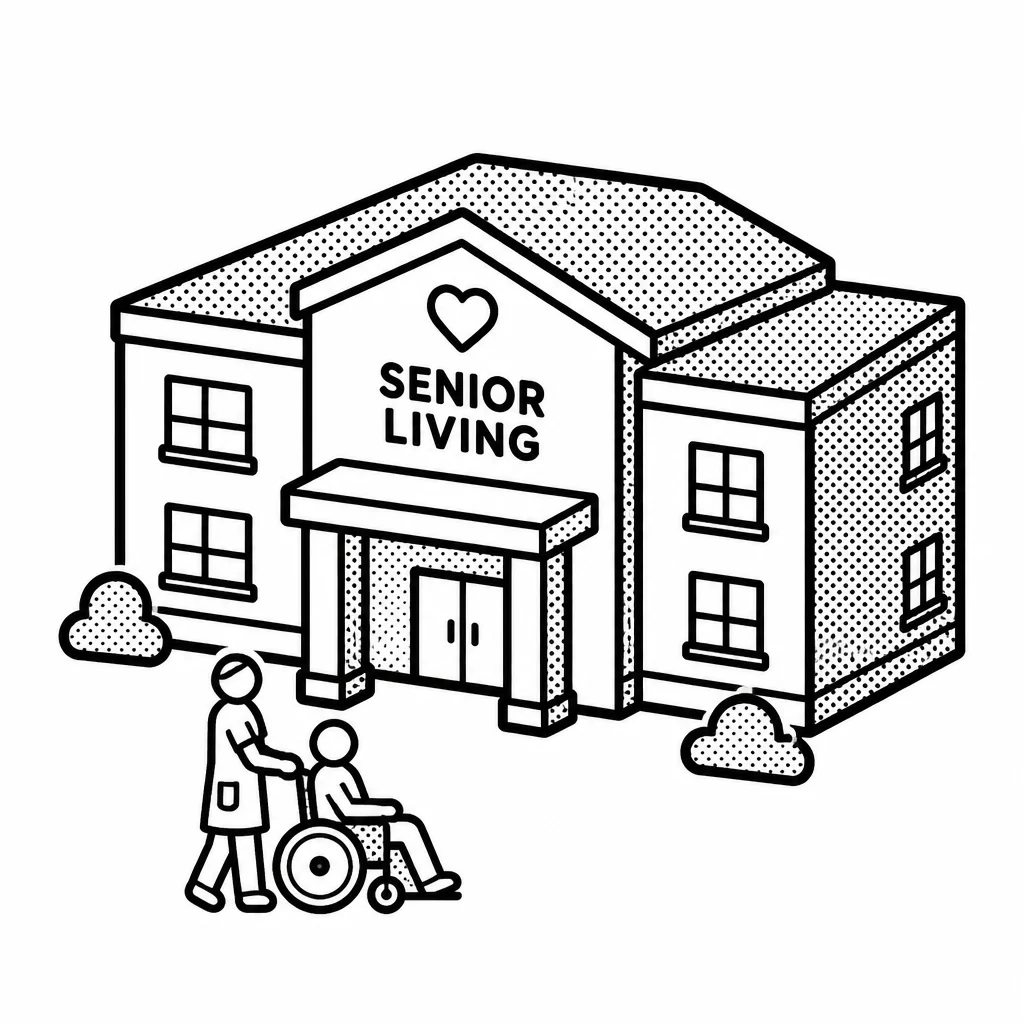
National Health Investors is a landlord to the healthcare business. It buys senior housing communities and medical buildings, then hands the keys to companies that actually run them — the people who staff the front desk, serve dinner, and care for residents. In return, NHI collects rent. It also lends money to healthcare operators and earns interest on those loans. So the simple version: it owns the real estate and the mortgages, and other companies do the hard daily work of caring for patients and residents.
The company is a real estate investment trust, or REIT, which matters a lot for how it makes money. A REIT generally doesn't pay corporate income tax, but in exchange it must hand most of its taxable income to shareholders as dividends. That makes NHI a income stock — people buy it for the steady payout, not for rapid growth. The headquarters is in Murfreesboro, Tennessee, a small city outside Nashville, which is a quiet detail that says something about the company: it is a patient, unflashy operator rather than a Wall Street showhorse. Its customers are healthcare operators — the companies that lease its buildings or borrow its money. They choose NHI because it offers something a bank might not: long-term financing and a landlord who understands the healthcare business. The risk runs the other way too. NHI's rent depends on its tenants staying healthy. When a senior housing operator struggles with rising labor costs or low occupancy, the rent can get shaky, and NHI has had to work through tenant troubles in the past. That is the core vulnerability of the model: the landlord's paycheck is only as good as the operator's business.
NHI is not the biggest player in this niche. Well-known peers include Welltower and Ventas, both far larger, and Sabra Health Care REIT competes in similar territory. NHI's edge is a smaller, more focused portfolio and a long history of careful underwriting. As a REIT, its spare cash mostly flows out the door as dividends rather than into new construction, so growth comes mainly from buying or financing more properties. It is a business built on patience: collect rent, keep tenants solvent, and pay shareholders along the way.
Saved answer · last researched 15 Nov 2026