Understand any stock in simple English
Enter a ticker to learn what the company does and how it makes money.
National Grid plc
National Grid owns and runs the big power lines and gas pipes that carry energy into homes and businesses in the UK and the US.
National Grid is the company behind the wires and pipes that most people never think about. It does not sell you electricity or gas and it does not send you a bill. Instead, it owns and operates the giant network of high-voltage power lines in England and Wales — the motorways of electricity — and moves gas around the UK too. It is the middleman between power plants and your local supplier, and it gets paid a regulated fee for keeping the lights on.
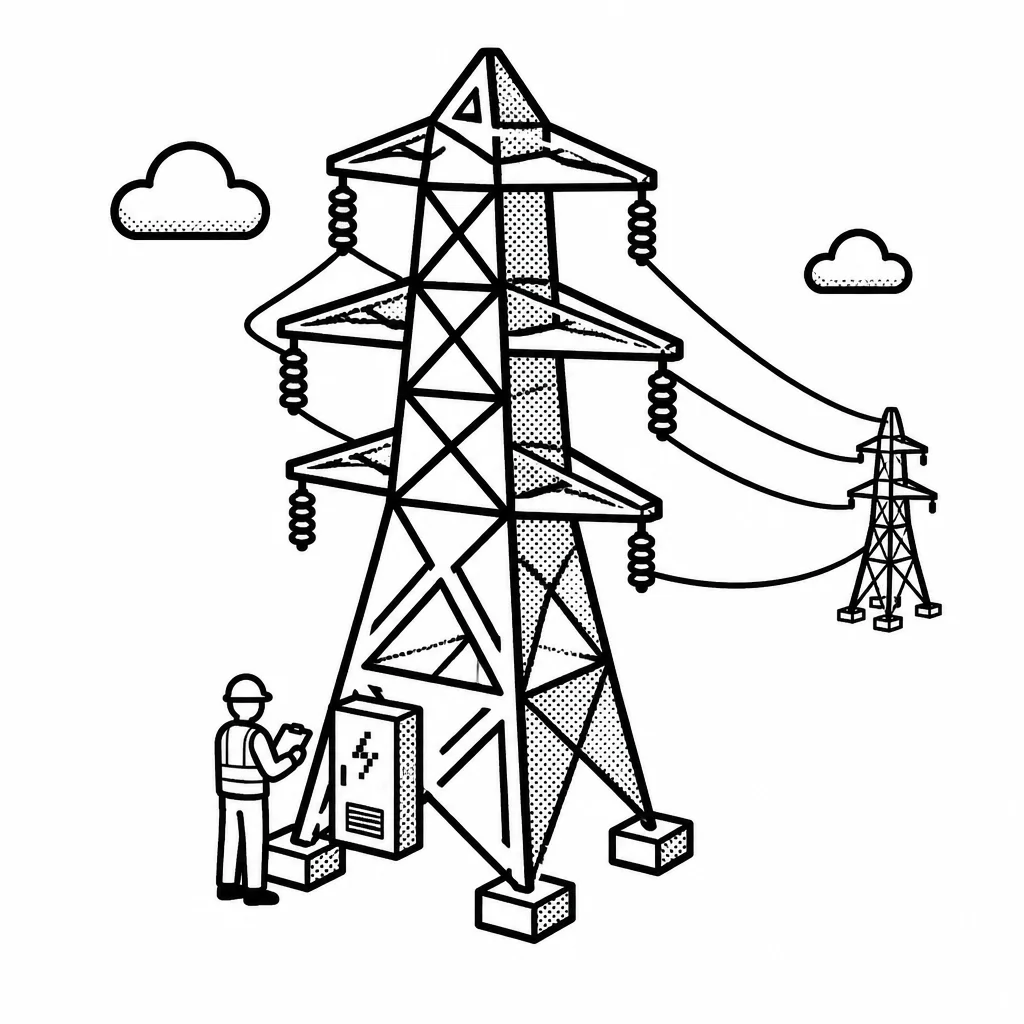
The business has two big halves. In the UK, it runs the electricity transmission system and the gas transmission network, and it also owns the UK's electricity system operator, the body that balances supply and demand second by second across the country. In the US, it owns and operates electricity and gas networks across several states in the Northeast, including New York and Massachusetts, serving millions of customers. The American side has quietly become the larger and faster-growing part of the company. Why do customers stick with it? Because there is no real choice. A transmission network is a natural monopoly — building a second set of giant pylons next to the first would be absurd. So regulators decide how much National Grid can earn, and in exchange it gets a stable, predictable return. That makes it a classic utility: slow-growing, heavily indebted, and loved by investors mostly for its dividend, which it has been growing.
The catch is that the energy transition is expensive. Moving to wind, solar, and electric heating means the grid has to be rebuilt and expanded on a huge scale, and National Grid is at the center of that spending. It has been selling off non-core businesses to focus on networks and raising fresh money to fund the buildout. So the simple story — steady pipes, steady fees — now comes with a big capital bill, and the company's job over the next decade is to spend that money wisely while keeping shareholders happy.
Saved answer · last researched 16 Nov 2026