Understand any stock in simple English
Nel ASA
Nel makes machines that produce hydrogen from water and the equipment that stores and delivers that hydrogen to customers.
Nel is a hydrogen equipment company. It builds electrolysers — machines that use electricity to split water into hydrogen and oxygen, producing hydrogen without carbon emissions if the electricity comes from clean sources — and it also makes the tanks, dispensers and stations needed to store and deliver that hydrogen to the places that use it. Customers are industry, energy companies and gas companies that need hydrogen for refineries, chemicals, steel, or fuel-cell vehicles.
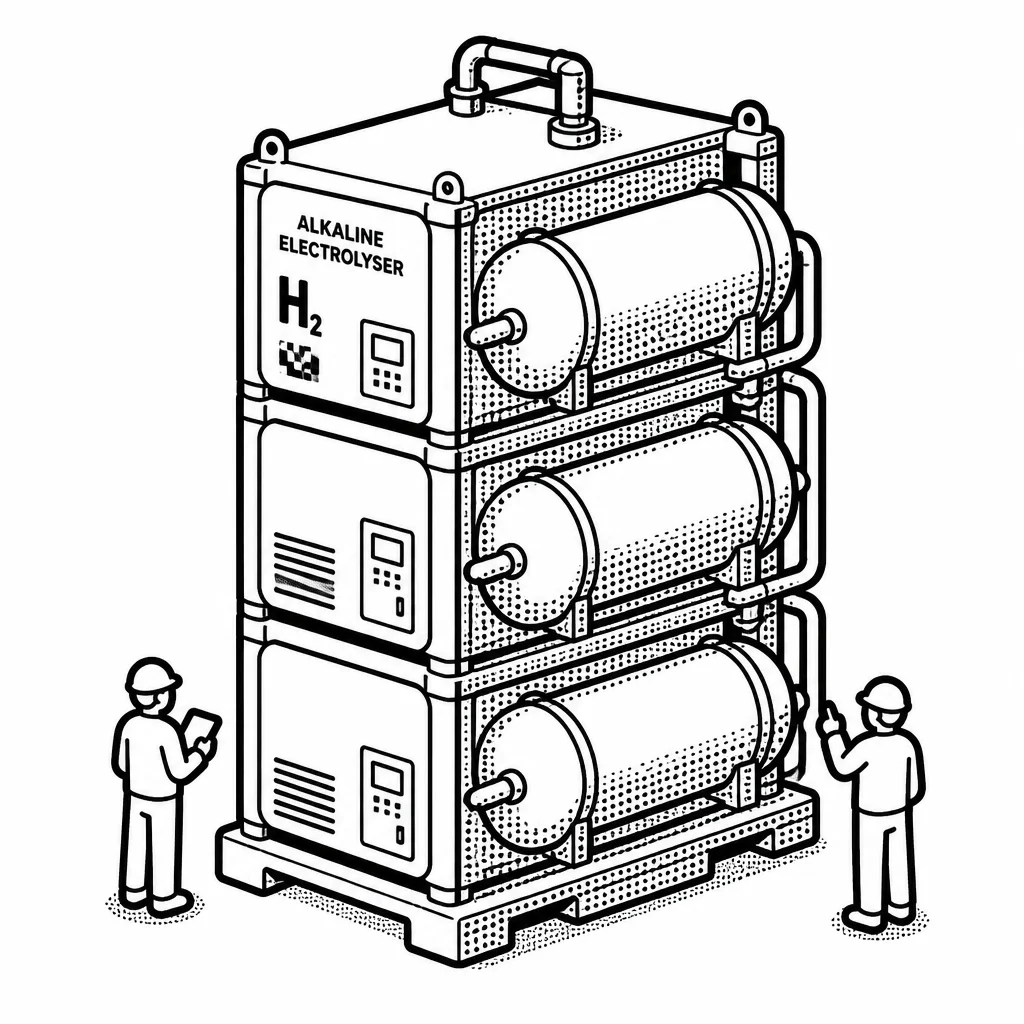
The case for the company rests on one idea: hydrogen is a way to move and store energy, and someone has to build the hardware that makes it. Nel has been at this a long time. Its roots go back to 1927, and its alkaline electrolysers have been around for decades. Today it sells both alkaline and newer PEM electrolysers, and it is one of the few players that sells standalone electrolyser units rather than only big engineered plants. Hydrogen is a hard way to make a living so far. Major projects get delayed, investment decisions slip, and demand has grown far slower than the hype suggested. Nel has burned through cash and has had to raise more. It has shut down its older PEM stack manufacturing in Norway and is consolidating production — a difficult but cash-saving move. Its big bet is a fully automated plant in Herøya, Norway, meant to drive down the cost per unit when volume actually arrives.
Its competitors are serious: Plug Power, Ballard Power Systems and HydrogenPro among others, plus a wave of Chinese suppliers that can be aggressive on price. Nel's edge depends on keeping technology credible while shedding cash fast enough to survive until orders scale. For now, the business is a wager on a hydrogen economy that keeps arriving later than expected.
Saved answer · last researched 17 Nov 2026