Understand any stock in simple English
Enter a ticker to learn what the company does and how it makes money.
NCC AB (publ)
NCC builds and maintains roads, buildings, and other infrastructure, mostly in the Nordic countries.
NCC is one of the Nordic region's big construction and infrastructure companies. It builds roads, bridges, tunnels, and railways; it puts up apartment blocks, offices, schools, and hospitals; and it produces the asphalt that goes on top of the roads. Its customers are mostly public bodies like municipalities and transport agencies, plus private property developers and companies.
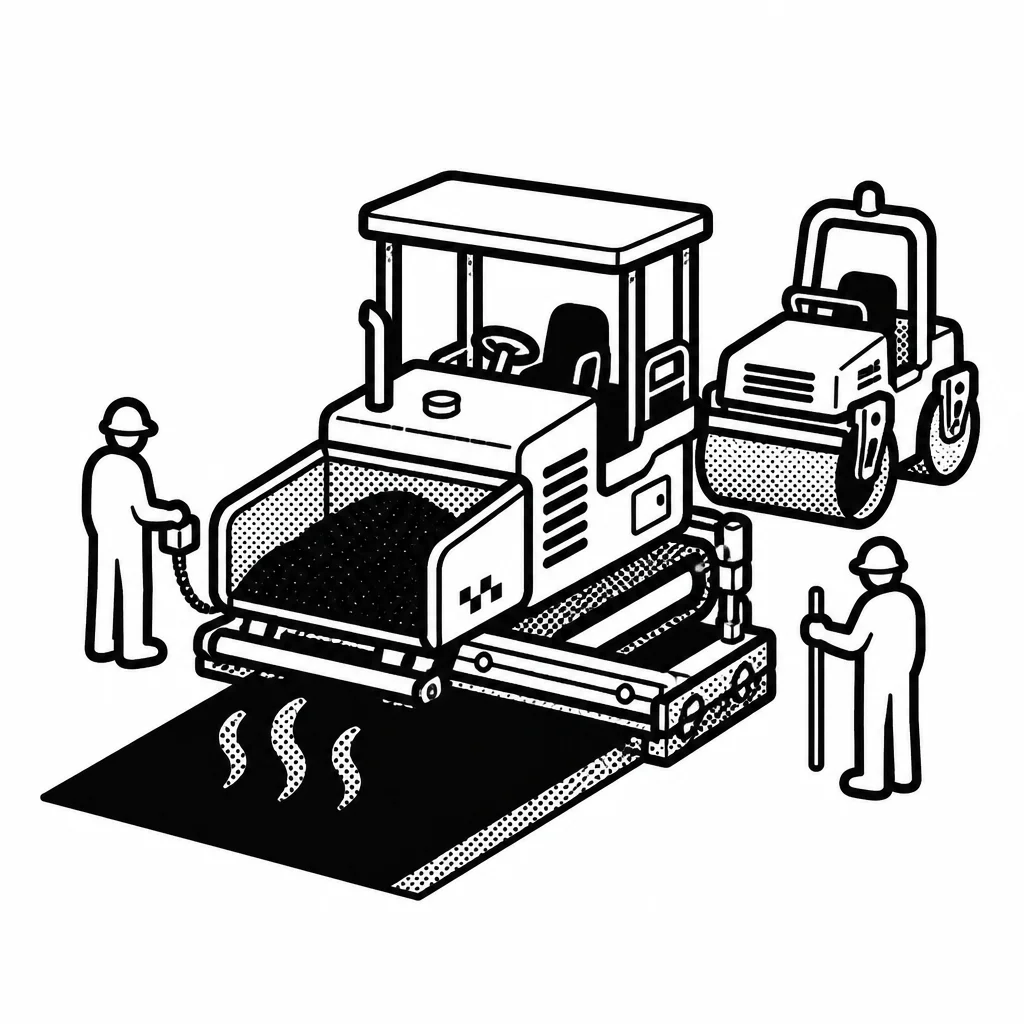
The business runs through three main areas. Construction handles building projects. Infrastructure builds and repairs roads, rail, and other civil works, and also runs asphalt and stone operations. Property Development acquires land, develops residential and commercial projects, and sells them off. The appeal to customers is that NCC can take a project from an empty plot or a stretch of worn road all the way through design and construction, using its own people and materials. Construction is a thin-margin, unpredictable business. NCC bids for projects at fixed prices, so if costs run high or schedules slip, the company eats the losses. That is why cash and risk management matter more than headline revenue. NCC pays a dividend, and it has been simplifying its portfolio, trimming businesses and focusing on the Nordics where it knows the market and the rules.
Its rivals include the big Nordic contractors such as Skanska, Peab, and NCC's peers in infrastructure, along with local players in each country. The company's fortunes ride on public infrastructure budgets and housing activity, so a slowdown in construction or a jump in material prices hits it directly.
Saved answer · last researched 12 Nov 2026