Understand any stock in simple English
Enter a ticker to learn what the company does and how it makes money.
Neurocrine Biosciences, Inc.
Neurocrine Biosciences sells prescription medicines that treat brain, hormone, and immune-related disorders.
Neurocrine Biosciences is a drugmaker focused on the brain and hormones. It develops and sells prescription medicines for neurological, psychiatric, endocrine, and immunological conditions — things like movement disorders, sleep problems, and hormone-related diseases. Doctors prescribe its drugs, patients take them, and insurers and government health programs pay for them, often for years at a time.
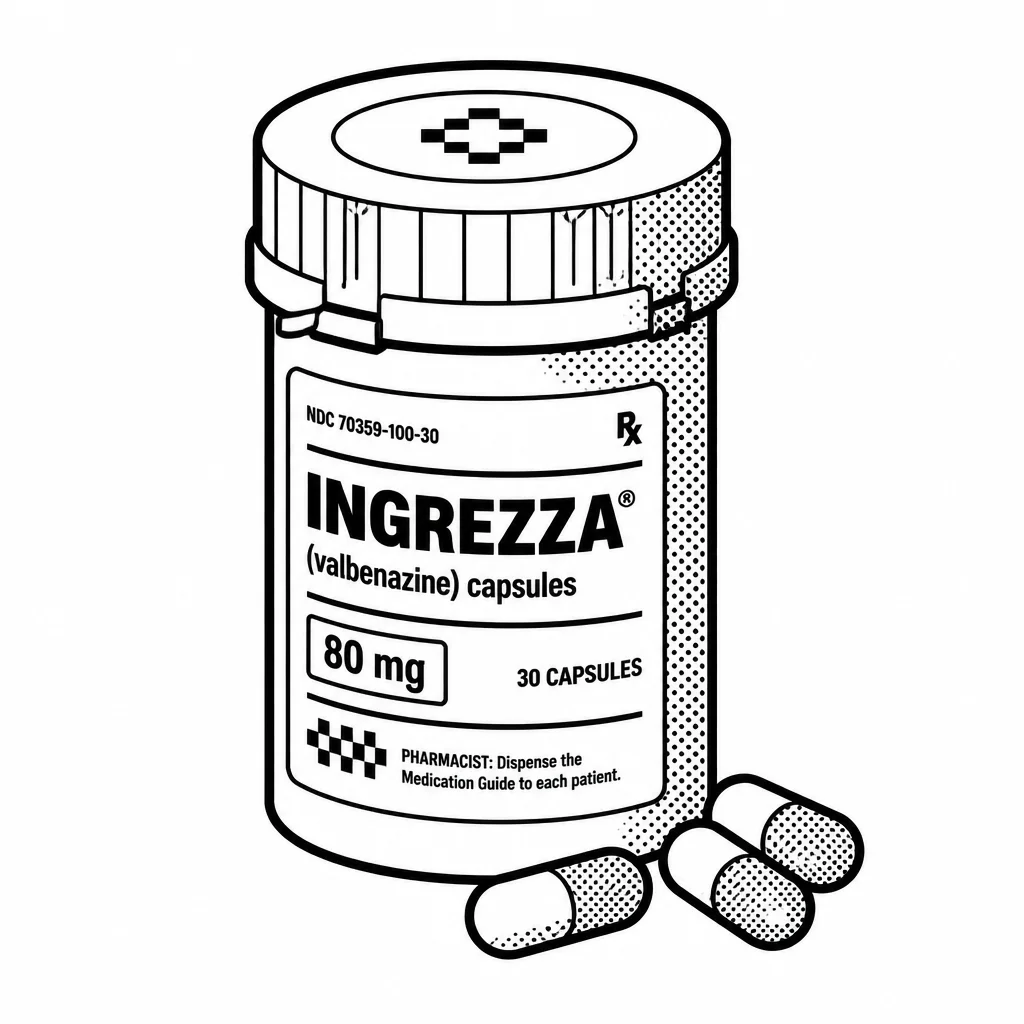
The company's best-known product is Ingrezza, a pill for tardive dyskinesia — a condition that causes uncontrollable facial and body movements, usually after long-term use of certain antipsychotic medicines. Before Ingrezza arrived, there were few good options, and the drug became a fast-growing blockbuster. Neurocrine also sells Ontozry for epilepsy and has a long-running partnership with AbbVie on medicines for endometriosis and uterine fibroids. A key quirk of the business: many of its drugs work by blocking or mimicking hormones in the brain, so a small chemistry insight can unlock several different treatments. The economics of specialty pharma are attractive. A drug that works takes years and hundreds of millions of dollars to develop, but once approved it costs relatively little to manufacture and can generate cash for a decade or more. Neurocrine spends heavily on research and on salespeople who visit neurologists and psychiatrists. Its risk is concentration: a handful of products carry the company, and any safety scare, patent expiry, or rival drug can hurt quickly.
Neurocrine got its start in the 1990s as a small biotech hunting for brain-hormone drugs, and it burned cash for years before Ingrezza changed everything. Today it uses its cash flow to fund research, test new compounds, and buy back shares. It is a good example of a biotech that survived the long, expensive gamble of drug discovery — and then found a market big enough to pay for the next round of bets.
Saved answer · last researched 16 Nov 2026