Understand any stock in simple English
Enter a ticker to learn what the company does and how it makes money.
MaxCyte, Inc.
MaxCyte sells cell-engineering machines and the licensed technology that drugmakers use to modify cells and turn them into new medicines.
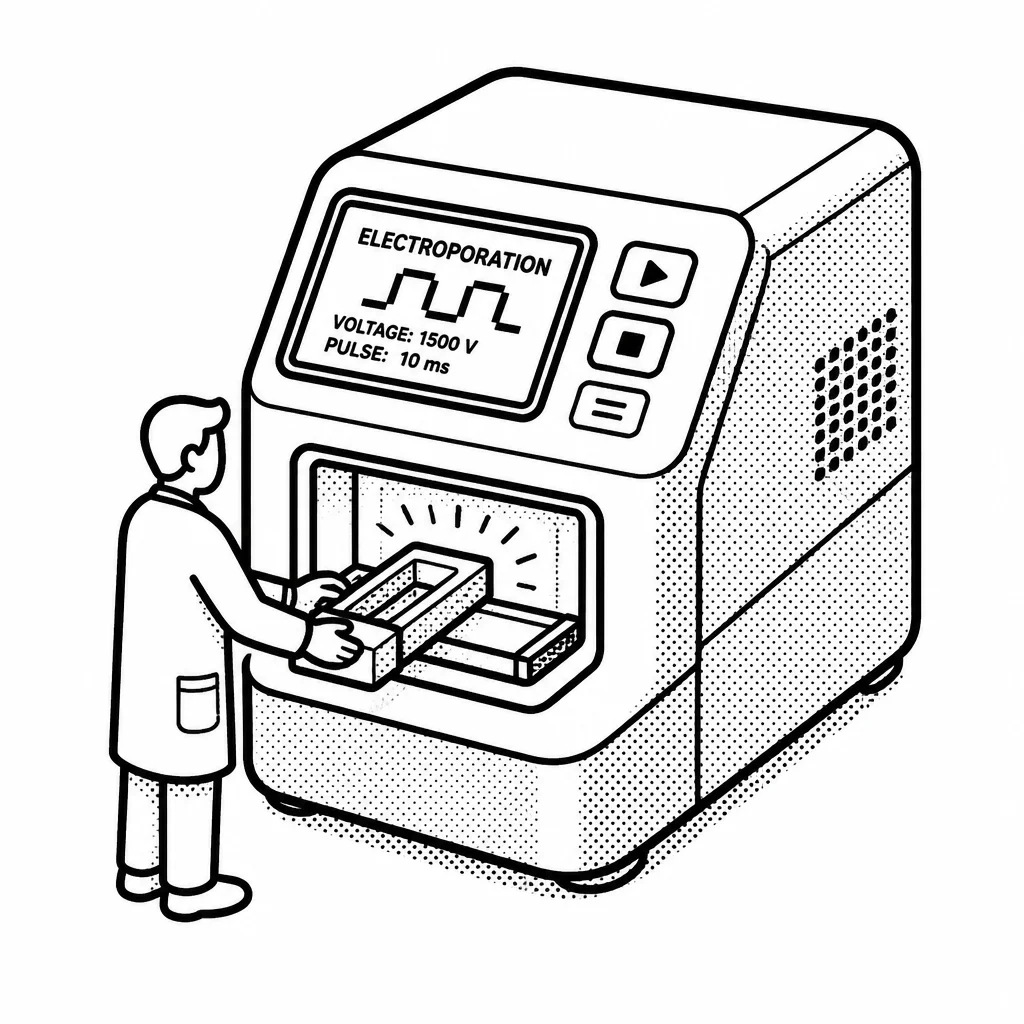
MaxCyte makes the machines and technology that scientists use to engineer cells. If you want to turn a patient's immune cells into a cancer-fighting therapy, or edit a cell's DNA to fix a disease, you need a reliable way to get new genetic material inside those cells without killing them. MaxCyte's specialty is exactly that: a process called electroporation, which uses brief electric pulses to open tiny pores in a cell's outer wall so cargo can slip in, then lets the cell seal back up. The company sells the hardware — instruments that sit on lab benches and in manufacturing plants — along with the single-use processing kits that go with each run.
The customers are pharmaceutical and biotech companies, plus the academic and government labs that feed the drug pipeline. There are two ways MaxCyte gets paid. First, it sells instruments and the disposable kits researchers burn through, which is a steady razor-and-blades business. Second, and more interesting, it licenses its cell-engineering technology to partners who embed it in their own commercial products. When a partner's therapy reaches patients, MaxCyte can collect milestone payments and royalties. That second stream is the lottery ticket: many programs will fail, but the ones that succeed can pay for years without MaxCyte spending a dime on the drug itself. The appeal to customers is that MaxCyte's platform is already proven and regulators have seen it before, which matters enormously in a field where a manufacturing hiccup can sink a therapy. The company is based in Maryland, just outside Washington, D.C., and it has spent years building a patent wall around its electroporation methods. Competition exists — other tools can deliver genes into cells — but switching platforms mid-program is painful and risky, so once a drugmaker builds its process around MaxCyte, it tends to stay.
The honest catch is that MaxCyte's fortunes are tied to an industry that goes through booms and busts. Cell therapy was red-hot a few years ago, then funding dried up and many biotech customers tightened their belts, which hurt instrument sales. Licensing revenue is lumpy and depends on partners hitting their milestones. That makes the business promising but not smooth: a bet on the long-term rise of cell engineering, with plenty of bumps along the way.
Saved answer · last researched 16 Nov 2026