Understand any stock in simple English
Enter a ticker to learn what the company does and how it makes money.
PT Dayamitra Telekomunikasi Tbk
Dayamitra Telekomunikasi builds and leases telecom towers and related infrastructure to mobile operators in Indonesia.
Dayamitra Telekomunikasi, better known as Mitratel, owns the physical skeleton of Indonesia's mobile networks: the towers, poles, and space where antennas live. Mobile operators like Telkom Indonesia and Indosat Ooredoo Hutchison need thousands of these sites to give their customers signal across a country of more than 17,000 islands, but owning and maintaining all that steel is expensive and slow. So instead of each operator building its own towers everywhere, they rent space on Mitratel's.
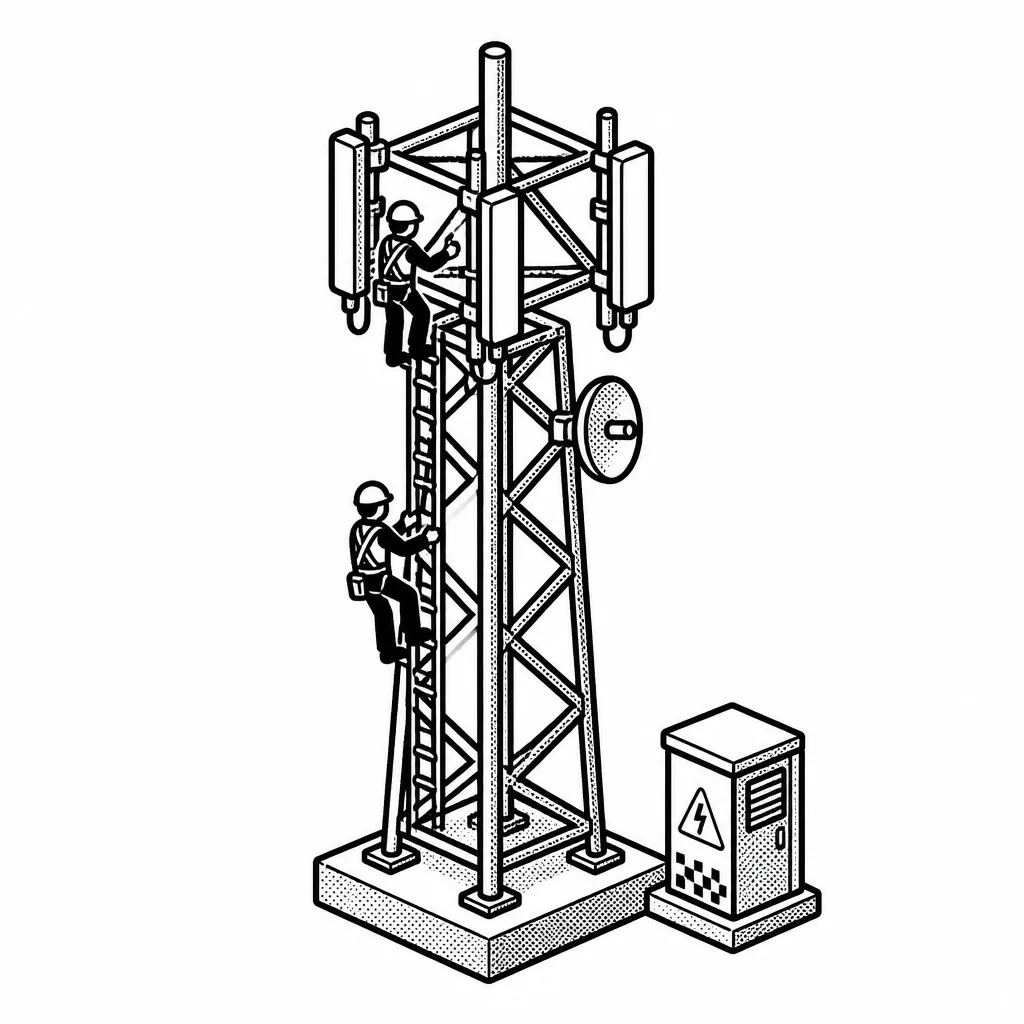
The business is essentially a landlord for antennas. A mobile operator signs a long-term lease, usually around ten years, to put its equipment on a tower. Because one tower can host several operators at once, Mitratel earns money from multiple tenants on the same structure, which is far cheaper than each operator building separate towers. Those multi-year contracts produce steady, predictable rental income, and that recurring cash is the heart of the business. It also offers related services like fibre connections and microcell poles to fill gaps in coverage. Mitratel is controlled by Telkom Indonesia, the state-owned telecom giant, which gives it a huge built-in customer and a steady pipeline of towers. The company has been buying tower portfolios from operators looking to raise cash by selling their infrastructure, which is how it grew into Indonesia's largest tower owner. The risks are real: the business depends on a handful of big telecom customers, and growth slows if operators merge or cut back on network spending.
Towers are a capital-hungry business — building them takes money upfront and the payback comes slowly over years of rent. That makes funding costs and interest rates important, since the company borrows to build and buy. For income-focused investors, the appeal is the steady cash flow, though the company's spending on new towers and acquisitions competes with what it can return to shareholders.
Saved answer · last researched 12 Nov 2026