Understand any stock in simple English
Enter a ticker to learn what the company does and how it makes money.
Matador Resources Company
Matador Resources is an oil and gas company that finds, drills, and sells oil and natural gas in the United States.
Matador Resources is an oil and gas producer. It finds underground oil and gas, drills wells to get them out, and sells what comes up. Most of its production comes from the Permian Basin, a huge oil-rich region spanning West Texas and southeastern New Mexico.
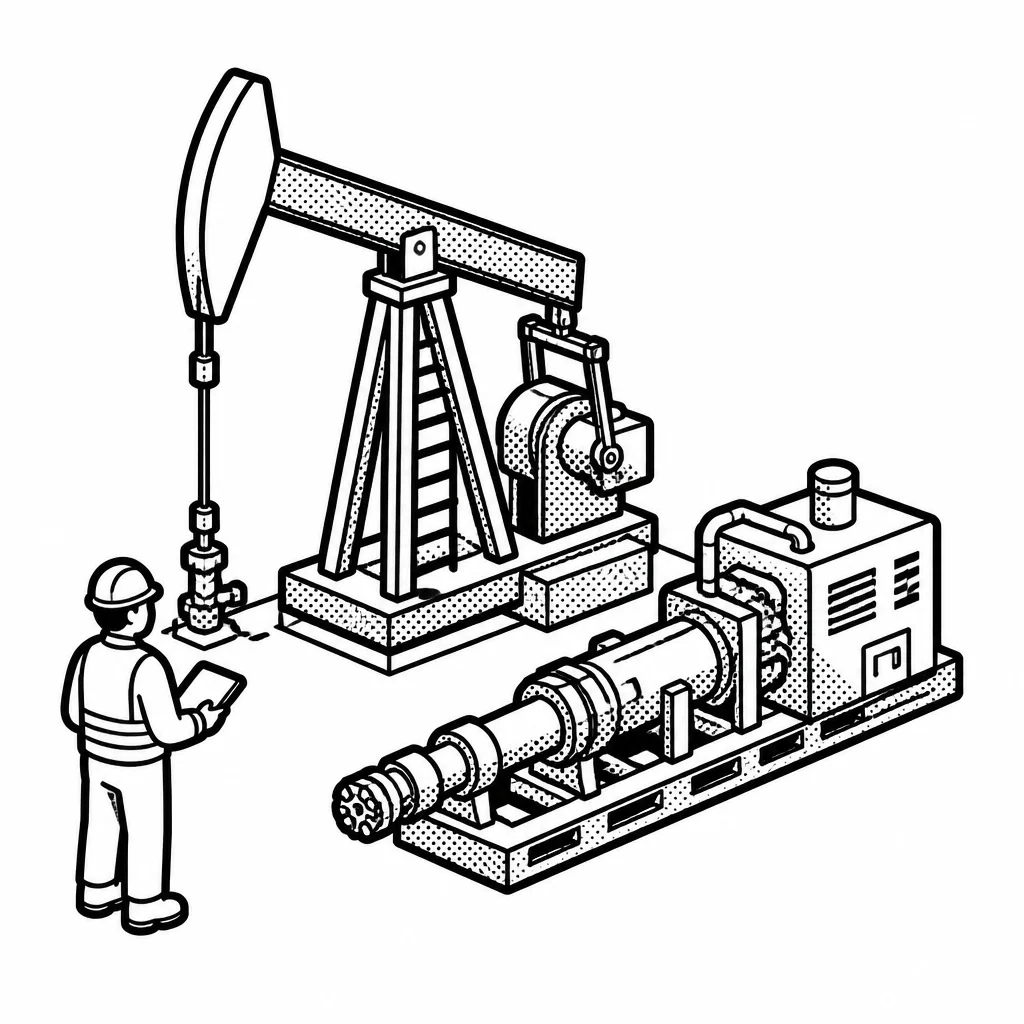
The company is what the industry calls an independent exploration and production company. It doesn't refine fuel or run gas stations. It buys leases to land, figures out where the oil is, drills wells, and then sells the crude oil and natural gas to midstream and refining companies. Nearly all of its production comes from the Delaware Basin, the western part of the Permian. Its results rise and fall with oil and gas prices, so it is a cyclical business tied closely to energy markets. What sets Matador apart is that it also owns a midstream business. It gathers and processes natural gas and moves oil through pipelines it controls, mostly for its own wells. That means when Matador drills a well, it can often move the oil and gas to market through its own pipes instead of waiting on someone else. It also sells these services to other producers, which brings in steadier fee income less exposed to commodity prices. The company has grown fast through drilling, and it holds a stake in a pipeline joint venture with Five Point Holdings — actually a private midstream partner — to move gas out of the region.
Matador is a relatively small player compared with giants like Exxon Mobil or Chevron, but it has carved out a reputation as a low-cost, efficient driller in the Delaware Basin. Its main vulnerability is simple: profits depend heavily on oil prices, and a sharp drop can squeeze cash flow even for a well-run operator. It spends much of its cash on drilling new wells and expanding its midstream network, while also paying down debt and, in some years, buying back shares. For investors, it is essentially a bet on Permian oil production and disciplined cost control.
Saved answer · last researched 14 Nov 2026